7 Common Mistakes Buying Untested Pallets
We bought 38 unboxed blenders and made $14. Here is how untested liquidation pallets burn your capital and how to calculate real landed costs before bidding.
By Pallet IQ Editorial Team
Published · Updated
 Liquidation Sourcing
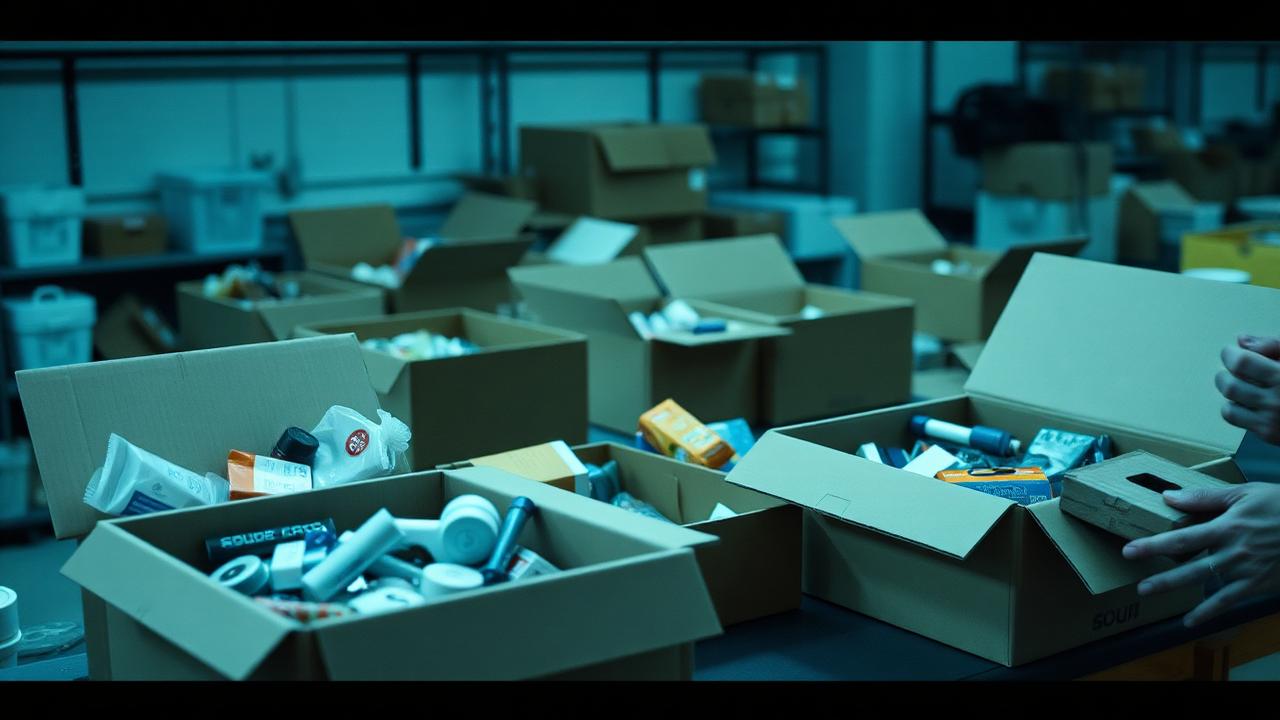
We rolled a 48x40 skid off the back of an LTL trailer last October, peeled the black shrink wrap, and found 38 unboxed Ninja blenders sitting under a single sheet of crushed cardboard. Winning bid was $540 out of a Georgia regional distribution center. By the time we cleaned food residue out of motor housings, bought replacement lids, and threw six shattered pitchers into the dumpster, our profit on that lot was exactly $14. That was a cheap lesson. If you buy uninspected returns long enough, you will eventually pay $1,500 for a pallet of bricked electronics or missing parts. Understanding the common mistakes buying untested pallets is the difference between building a sustainable reselling operation and paying a liquidator to haul away their garbage.
Common Mistakes Buying Untested Pallets That Burn Reseller Cash
Let's talk about how liquidation grading actually works on major platforms like B-Stock. The trade term untested customer returns sounds neutral, but in liquidation parlance, it means the retailer spent zero seconds verifying if the item functions. According to the liquidation glossary, raw returns are items taken back at customer service desks and tossed straight into a Gaylord box.
According to our recovery rate report, untested small kitchen appliances recover between 25-40% of MSRP on average. But raw recovery rates do not tell the whole story. The biggest error new buyers make is assuming an untested lot behaves like a retail shelf-pull.
Here are the core operational errors that wreck margins:
- Bidding on manifests without factoring in missing accessories, power cables, or remotes.
- Treating estimated retail value as guaranteed gross resale cash.
- Neglecting labor time for cleaning, testing, and repacking salvage-grade inventory.
- Forgetting that customer return rates jump above 16% during holiday surges, per NRF returns research, diluting lot quality.
Hidden Freight Costs and Landed Basis Errors
You win an auction for $400 and feel like a genius until the carrier invoice arrives. Shipping single pallets across state lines via Less-Than-Truckload (LTL) freight options like FedEx Freight runs between $0.80 and $2.50 per mile. If you lack a commercial loading dock or a forklift, accessorial charges will destroy your net margins immediately.
Carriers charge extra for every friction point:
- Residential delivery fees generally add $50-$100 to the bill.
- Liftgate service on a straight truck adds another $50-$75 per stop.
- Limited-access fees for school, farm, or storage unit drop-offs range from $30-$60.
Before placing a bid, use a shipping cost calculator to estimate total freight. A bid of $300 on a box of untested power tools quickly becomes a $625 landed cost basis once liftgate and residential accessorials hit the bill. If your landed cost is double your winning bid, your margin for error on untested items vanishes completely. Plug your true landed cost into a maximum bid calculator so you know your hard ceiling before the auction clock runs out.
The Math Behind Untested Inventory: A Real P&L
Let's break down an actual profit and loss statement from a 28-unit untested electronics lot sourced out of an Indiana warehouse.
Winning Auction Bid: $450.00 LTL Freight Cost: $180.00 Residential and Liftgate Accessorials: $110.00 Total Landed Cost Basis: $740.00 ($26.42 per unit)
Out of 28 units tested:
- 12 units were fully functional and complete (sold on eBay at $45 average). Gross: $540.00
- 8 units needed minor repair or replacement cords ($8 cost per unit, sold at $30 average). Gross: $240.00, Parts Cost: $64.00
- 5 units were parts-only / repair grade (sold as lot on local marketplace). Gross: $75.00
- 3 units were total trash / unsalvageable. Gross: $0.00
Gross Resale Revenue: $855.00 Marketplace Fees (eBay seller fees ~13.25% + $0.30 per transaction): $119.55 Outbound Shipping Paid by Seller: $95.00 Parts Purchased: $64.00 Total Out-of-Pocket Cost (Landed Basis + Fees + Parts + Shipping): $1,018.55 Net Profit: -$163.55
This manifest looked profitable on paper because the stated original retail value was $3,200. But after accounting for non-working units, parts costs, platform fees, and freight accessorials, the yield turned negative. Run your numbers through a pallet ROI calculator before bidding so you do not mistake gross revenue for real profit.
Comparing Inventory Grades and Workload
Understanding how inventory condition grades affect work hours and yields helps prevent bad purchases.
| Inventory Grade | Expected Yield % | Avg Labor Hours Per Skid | Resale Channel Target |
|---|---|---|---|
| Overstock / Shelf Pulls | 75-90% | 2-4 hours | Amazon / eBay |
| Untested Customer Returns | 25-50% | 8-15 hours | eBay / Mercari / Whatnot |
| Salvage / D-Grade | 10-25% | 15+ hours | Local Cash / Parts Only |
How Sourcing Untested Skids Goes Wrong: The Trash Bin Cascade
The failure mode on untested inventory follows a predictable downward spiral we call the trash bin cascade. It starts when a reseller buys a mixed skid without analyzing category-specific yield rates. Electronics have a 25-40% recovery rate, whereas home goods or tools might reach 30-45%, and customer return apparel often drags down to 8-15% due to stains, tears, and missing tags.
When 40% of your pallet turns out to be unsellable junk, your effective cost basis on the surviving units doubles. If you paid $740 landed for 28 units ($26.42 per unit), but only 12 are ready for immediate listing, your real cost per sellable unit jumps to $61.67. If market value on those working units is only $45, you lose money on every single sale.
To make matters worse, storing broken chassis, gut boxes, and empty packaging hogs space in your shop or garage. You end up paying disposal fees or spending precious hours parting out $10 items on local cash apps just to clear floor space for the next shipment.
How to Avoid Common Mistakes Buying Untested Pallets
Protecting your capital requires strict rules before you place a single dollar on an auction block. First, treat every untested lot as if half the payload is dead on arrival. If the manifest numbers still work with a 50% scrap rate, the deal has real upside.
Second, never rely on third-party manifest retail values. Retailers calculate original MSRP, not current secondary market value. An outdated air purifier listed at $200 original retail might struggle to fetch $45 on eBay today.
Third, check manifest item counts and weight distributions. A pallet containing 10 high-value items is much faster to test and list than a mixed lot containing 250 cheap trinkets where processing labor swallows your gross margin. If you want a complete decision framework for evaluating these deals, consult our buying decision guide. Using a manifest analysis tool like Pallet IQ helps you automatically flag missing model numbers, calculate realistic recovery rates, and spot inflated retail values before you bid. By recognizing common mistakes buying untested pallets before placing your bid, you protect your working capital and keep your reselling business profitable.
Are untested liquidation pallets worth buying for beginners?
Untested pallets carry significant risk for beginner resellers because they require testing equipment, spare parts inventory, and labor time to process broken items. Beginners are usually better off starting with overstock or shelf-pull lots where 80-90% of the inventory is ready to list immediately without repairs.
How do you calculate true landed cost on liquidation pallets?
Landed cost equals your winning auction bid plus shipping freight, carrier accessorials like liftgate and residential fees, payment processing fees, and localized tax. Divide this total landed dollar amount by the actual number of sellable units (not the total manifest count) to find your real cost basis per item.
What tools do you need to process untested return lots?
Processing untested returns requires basic diagnostic equipment including a multimeter, power supply testers, clean rags, rubbing alcohol, anti-static gloves, cardboard boxes for repacking, and labeled bins for spare parts storage. Having spare generic power adapters and standard cords on hand also helps recover units missing accessories.
Pallet IQ Editorial Team
We buy, grade and resell liquidation pallets, then turn what we learn into the tools on Pallet IQ. Every guide here comes from real manifests, real bids and real sell through numbers.
Written November 13, 2026, last reviewed November 16, 2026