Where to Buy Shelf Pull Pallets Without Losing Money
Shelf pulls look clean on paper, but bad date codes or carrier accessorials can destroy your margins before the truck even unloads. Here is how we actually source and price them.
By Pallet IQ Editorial Team
Published · Updated
 Sourcing Strategy
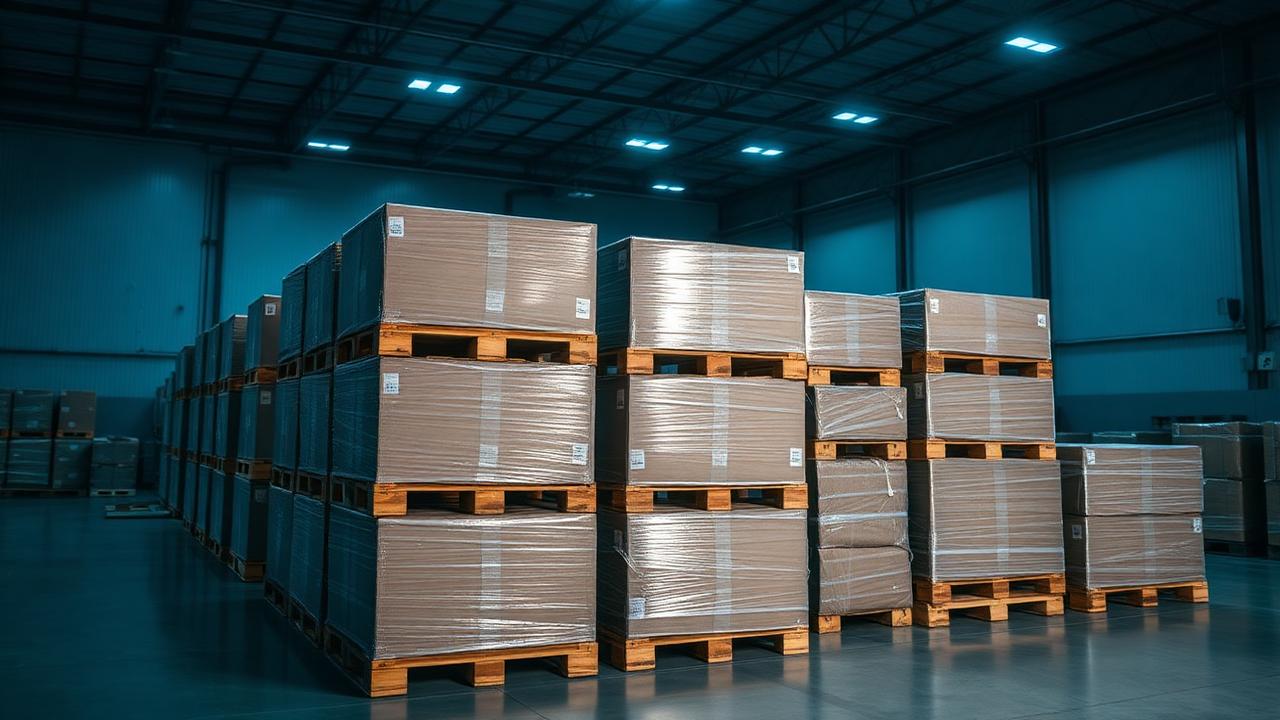
Four pallets of drug store inventory sat in the back of a 53-foot trailer outside our facility, and the driver refused to drop the gate. We had paid $1,400 for the lot, but the broker forgot to attach the $65 liftgate accessorial to the bill of lading. That mistake held up our receiving for three hours while freight dispatch argued over who owed what. When we finally broke down the wrap, we found 850 units of skin cream. Half of them were expiring in 40 days.
Finding the best places to buy shelf pull pallets isn't just about reading auction titles. It comes down to knowing which platforms give you accurate manifests, which fulfillment centers destroy products with clearance stickers, and how to keep freight costs from swallowing your net profits.
Shelf pulls are supposed to be the golden child of liquidation. Unlike raw customer returns, these items were pulled straight off retail shelves or distribution centers due to overstock, seasonal changeouts, or minor packaging redesigns. They are usually clean, but they carry distinct traps that can wipe out a small reselling operation if you do not know where to look.
What a Shelf Pull Actually Is (and What It Isn't)
Many new sellers mistake shelf pulls for brand-new wholesale stock. That assumption gets expensive quickly. A shelf pull is surplus inventory that sat in a retail store or fulfillment center. Shoppers touched it. Employees slapped yellow markdown tags on it. Boxes might have minor store damage or bent corners from display hooks.
Recovery rates across categories vary widely. If you buy apparel shelf pulls, expect a 10-15% recovery rate on original retail value because clothes move slowly unless deeply discounted. Electronics shelf pulls fetch 30-45% of retail because tech holds steady value. Health and beauty (HBA) goods land around 20-35%, but date codes dictate everything in that niche.
Here is how inventory condition breaks down in real warehouse operations:
- Grade A Shelf Pulls: Overstock directly from regional distribution centers (RDC). Clean boxes, zero retail stickers, full case packs.
- Grade B Shelf Pulls: Store-level pulls. Expect clearance stickers, shelf wear, and security tags still attached to 5-10% of the lot.
- Grade C Shelf Pulls: Seasonal salvage. Heavy box wear, multiple price stickers layered over barcodes, and short-dated items (under 90 days of shelf life).
If a marketplace lists a lot as shelf pulls but refuses to state whether it comes from a retail store or a distribution center, expect Grade B or Grade C inventory.
Comparing the Best Places to Buy Shelf Pull Pallets
Not all secondary sources are built equal. We divide liquidators into three buckets: direct retailer auction portals, wholesale brokers, and local truckload jobbers. The right platform depends on your storage space, processing speed, and available capital.
| Marketplace Type | Manifest Accuracy | Freight Options | Average Lot Cost | Resale Risk |
|---|---|---|---|---|
| Direct Retail Portals | High (85-95%) | Buyer Arranged or Flat-rate LTL | $1,200 - $4,500 | Low to Medium |
| Wholesale Brokers | Medium (60-80%) | Pre-calculated Freight Quotes | $800 - $2,500 | Medium |
| Local Jobbers | Low / Unmanifested | Local Pickup / Box Truck | $300 - $1,000 | High |
Direct retailer portals like B-Stock networks for major big-box chains offer the most consistent manifests. You buy directly from the retailer's secondary distribution center. The manifests are usually generated at the point of scan out, meaning what is listed on the sheet is usually inside the shrink wrap.
Wholesale brokers act as middlemen. They buy full truckloads from direct portals, mark up the lot prices by 15-30%, break them down into individual pallets, and sell them to smaller resellers. You pay more per unit here, but you can buy single pallets instead of committing to multi-pallet lots.
Local jobbers operate out of regional warehouses. You drive up with a trailer or box truck and inspect the wood yourself. You trade manifest accuracy for lower acquisition costs and zero LTL freight fees.
Breaking Down a Real 4-Pallet Shelf Pull P&L
To evaluate the best places to buy shelf pull pallets, you must run cold, hard numbers. You cannot eyeball a lot and guess your profit. You need a complete breakdown before placing a single bid.
Here is a real P&L from a 4-pallet health, beauty, and household shelf pull lot sourced from a direct retail portal out of a warehouse in Indiana.
Purchase and Freight Costs
- Winning Bid: $1,250.00
- Buyer Premium (10%): $125.00
- LTL Freight (380 miles at $1.65/mile): $627.00
- Residential Accessorial Fee: $65.00
- Liftgate Accessorial Fee: $55.00
- Total Landed Cost: $2,122.00
Inventory Breakdown
- Manifested Units: 720 units
- Landed Cost Per Unit: $2.95
- Scrap / Expired / Damaged Units (12%): 86 units (Written off entirely)
- Sellable Units: 634 units
Sales Projections and Fees
We split this lot across two sales channels: eBay for high-value items ($15+) and a local bin store setup for items under $10.
- eBay Sales (240 premium units): Grossed $4,320.00
- eBay Fees (~13.25% + $0.30 per item): -$644.40
- Outbound Shipping (Buyer pays part, net loss on labels): -$210.00
- Local Cash Sales (394 low-value units at $4 flat): Grossed $1,576.00
- Total Gross Revenue: $5,896.00
- Total Channel Fees & Outbound Shipping: -$854.40
Final Net Bottom Line
- Gross Revenue: $5,896.00
- Minus Marketplace Fees & Outbound Shipping: -$854.40
- Minus Initial Landed Cost: -$2,122.00
- Net Profit: $2,919.60
- Net Margin: 49.5%
A 49.5% margin looks great on paper. But notice how much of that margin depended on handling the low-value inventory locally. If we had tried to list all 634 items individually on eBay, individual listing labor and shipping fees would have wiped out our net return on the cheap items.
How Sourcing Shelf Pull Pallets Goes Wrong
The fastest way to go broke on shelf pulls is ignoring date codes and labor costs. Liquidation lots look clean on paper, but operational friction lives in the details.
The Expired Goods Trap
Drugstore and grocery chains clear their shelves when inventory hits a specific window before expiration, often 60 to 90 days out. By the time that pallet gets manifested, auctioned, paid for, shipped via LTL, and received at your shop, you might only have 30 days left before those products hit their hard expiration date. Platforms like Amazon FBA will reject inventory that does not meet their strict shelf-life requirements. If you do not have a quick local outlet or an active off-grid sales channel for near-dated items, you will end up paying to throw away half the truckload.
The Sticker Removal Sinkhole
Store-level shelf pulls often feature bright red or yellow price stickers pasted directly over the item's UPC code. If you plan to sell on Amazon or eBay, your prep team must remove those labels or re-label every single item. If it takes a worker two minutes to scrape a sticker, apply Goo Gone, and wipe down one box, you are spending 20 hours of paid labor on a 600-piece pallet. That labor cost instantly eats your target profit.
Freight Accessorial Surprises
LTL shipping companies are not package delivery services. They charge for every extra step. If your facility lacks a standard loading dock or a forklift, you must pay for a liftgate truck. If your facility is classified as a home office, rural location, or limited-access site, the freight carrier will tag on additional accessorial charges ranging from $30 to $100 per fee. If you miss these checkboxes during checkout, the carrier will bill you after delivery, turning a profitable lot into a loss.
How to Choose the Right Source for Your Setup
Before bidding on any secondary marketplace, evaluate your footprint. If you are operating out of a two-car garage, do not buy unmanifested 4-pallet lots from wholesale brokers. You need fast-turning, manifested inventory with predictable freight costs.
If you have a 2,000-square-foot warehouse, a forklift, and a dedicated prep team, direct retail portals offer the highest profit ceiling. You take on higher volume, but your cost-per-unit drops dramatically.
Using a manifest analysis tool like Pallet IQ helps you parse raw CSV data, run estimated fee calculations, and spot low-margin items before you commit capital. Never bid on a lot based on retail MSRP alone. Calculate your net landed cost per unit first, apply realistic salvage write-offs, and bid up to the number that guarantees your desired profit margin.
Are shelf pull pallets better than customer return pallets?
Yes, shelf pull pallets generally feature lower damage rates and fewer missing parts than customer return pallets. However, they carry different risks, such as short expiration dates, clearance stickers, and shelf-worn packaging. You spend less time testing products, but you spend more time managing date codes and prepping items for resale.
What fees should I expect when buying shelf pull pallets online?
Expect to pay the winning bid price plus a buyer premium (typically 5% to 10%), LTL freight charges ($0.80 to $2.50 per mile depending on distance and fuel surcharges), and accessorial fees. Standard accessorials include liftgate service ($50-$75), residential delivery ($50-$100), and limited-access site delivery ($30-$60).
How do I deal with sticker removal on shelf pull inventory?
Use a dedicated heat gun set on low to soften label adhesive without damaging retail packaging, followed by a plastic razor blade. For stubborn residue, use liquid adhesive removers sparingly. If you are selling on channels that do not require clean original packaging, placing a blank white barcode sticker directly over the old price tag is much faster than complete removal.
Pallet IQ Editorial Team
We buy, grade and resell liquidation pallets, then turn what we learn into the tools on Pallet IQ. Every guide here comes from real manifests, real bids and real sell through numbers.
Written August 27, 2026, last reviewed October 19, 2026