Walmart Pallet Sales: Sourcing Returns Without Getting Burned
Walmart returns look great on paper until you unpack 96 appliances and find missing parts. Here is how we evaluate, price, and sell these loads profitably.
By Pallet IQ Editorial Team
Published · Updated
 Retailer Sourcing
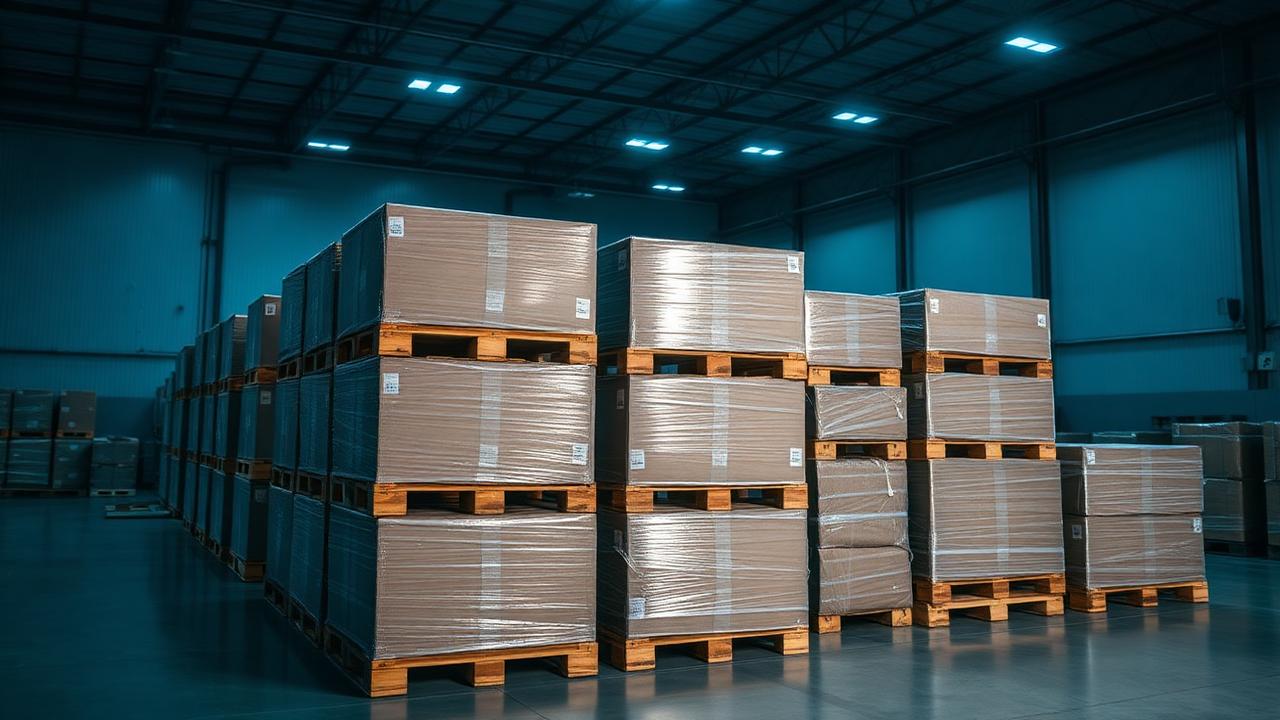
We took delivery on a four-pallet load of Walmart customer returns out of a distribution center in Ridgeville, South Carolina, three summers ago. The manifest promised $14,000 in original retail value across 96 small kitchen appliances and floor care units. By day four of testing and wiping down Ninja air fryers and Shark vacuums, we realized 22% of the manifest was missing power cords, internal blades, or basic structural sanity. We made $480 net profit after 28 hours of bench labor. It was a brutal masterclass in how walmart pallet sales actually work when the shrink wrap comes off in your own warehouse.
Buying customer returns from the largest retailer in the world is a legitimate way to keep your inventory shelves full. However, treating these manifests like free money is the fastest way to turn your garage into a non-working appliance graveyard. If you want to survive buying this inventory, you need to understand where these lots originate, how manifest grading works in practice, and how to price your bids around true recovery value.
Where Walmart Pallet Sales Actually Originate
Walmart does not ship pallets straight to your driveway from a retail store backroom. The retail giant funnels billions of dollars in returns and overstock through specific contract liquidators and enterprise auction portals. If you want direct access to official walmart pallet sales, you will end up bidding on platforms like B-Stock through the official Walmart Liquidation Auctions portal, or buying manifested loads via enterprise distributors like Direct Liquidation.
When buying these loads, you will encounter industry terms that every reseller must master before placing a bid. A manifest is a detailed line-by-line inventory list provided by the liquidator showing SKU numbers, item descriptions, and estimated retail values. A salvage lot refers to unsorted items sold as-is without performance guarantees, while a shelf pull is inventory that was removed from retail store displays or store shelves due to seasonal resets or packaging changes. If you are new to the terminology, bookmark our liquidation glossary to decipher carrier notes and manifest jargon before risking your capital.
Secondary brokers also buy full truckloads directly from Walmart return centers, break them down in regional warehouses, and mark them up for small-scale resellers. Sourcing from secondary brokers gets you lower minimum order quantities, but you are often buying the leftover inventory that larger buyers already picked through.
The Grading Reality: What Uninspected Customer Returns Means
Walmart lists lots under distinct condition tags: Uninspected Customer Returns, Overstock, and Refurbished. Overstock sounds safe, but it often includes box damage from high-density distribution centers. Uninspected customer returns are the wild west.
In category terms, recovery percentages vary drastically across different retail departments. According to industry tracking in our recovery rate report, general merchandise like housewares usually recovers around 25-35% of original retail value, while consumer electronics hover near 20-30% due to missing accessories, broken screens, and user lockouts. Hardline tools and lawn equipment can stretch to 35-45% because local buyers care less about damaged packaging if the motor runs.
| Condition Grade | Description | Expected Recovery Range | Typical Defect Rate |
|---|---|---|---|
| Overstock | Unsold store inventory, damaged outer boxes | 40-55% of retail | 2-5% |
| Shelf Pulls | Display models and seasonal clearance resets | 35-45% of retail | 5-10% |
| Customer Returns | Uninspected buyer returns from stores/online | 20-35% of retail | 20-30% |
| Salvage | Heavy damage, parts missing, major scrap risk | 8-15% of retail | 50%+ |
Never bid on customer return lots assuming every item works out of the box. A manifest stating $10,000 in retail value for uninspected returns is really an invitation to spend fifteen hours bench-testing equipment to recover $2,500 to $3,500 in actual gross revenue.
The Math: A Full P&L on a 4-Pallet Walmart Small Appliance Lot
Let us look at a realistic accounting breakdown on a standard small-appliance load bought through major auction channels. This lot contained 84 manifested units with an original retail sticker total of $9,400.
Acquisition Costs
- Winning Auction Bid: $1,250.00
- Buyer Premium (10%): $125.00
- LTL Freight (380-mile lane at $1.00 per mile): $380.00
- Accessorial Charges (Liftgate $65 + Residential Delivery $75): $140.00
- Total Cost Basis: $1,895.00
Revenue Realization Across 84 Manifested Units
- Trash or Unsalvageable Units (25% failure rate, 21 units): $0.00
- Local Cash Resale (23 heavy items via local pickup): $1,035.00 ($45 avg)
- Online Shipped Resale (40 units via e-commerce marketplaces): $1,800.00 ($45 avg)
- Total Gross Revenue: $2,835.00
Variable Overhead & Selling Fees
- Marketplace Fees (blended 12% via eBay seller fees and processing): $340.20
- Outbound Shipping Supplies ($3.00 per box across 40 shipped items): $120.00
- Net Profit: $479.80
- Margin / ROI: 25.3% return on capital invested
A 25% return on capital is decent, but notice how fast the profit shrinks if freight costs spike or if the defect rate jumps from 25% to 35%. Three extra broken coffee makers completely eliminate your profit on this load.
Before placing a bid, run your proposed numbers through our pallet ROI calculator and layer in exact platform costs using our marketplace fee calculator. Never guess carrier costs either. Freight accessorials can erase your margin before the truck even backs up to your curb, so verify lane rates with a dedicated shipping cost calculator.
How Walmart Pallet Sales Go Sideways: The Triple Defective Trap
The fastest way to blow up a resale business on Walmart inventory is falling for the triple-defective trap. This happens most frequently on high-value small appliance or tech lots.
A retail customer buys an expensive espresso machine, replaces their old broken identical unit inside the box, and returns it to a local store. The store clerk scans the barcode on the box without opening it to check serial numbers. The return goes to a central return facility, gets wrapped onto a pallet, and gets listed as a high-value item on the manifest.
When you open that box in your shop, you find a ten-year-old rusted machine, missing water tanks, and an unresellable chassis. If eight or ten items on a 40-unit manifest share this pattern, your entire profit margin evaporates instantly.
To protect your business against this exact failure mode, follow our step-by-step buying decision guide before putting down non-refundable deposit funds.
Where to Resell Your Walmart Loads
Once you test, clean, and re-pack your sellable inventory, matching the product to the right sales channel is critical for fast cash conversion.
Heavy items like pressure washers, microwaves, and large cookware sets belong on local cash channels like Facebook Marketplace where zero shipping fees and zero commission take-rates preserve your margin. Lightweight high-value items, like brand-name vacuum attachments or replacement coffee carafes, belong on national e-commerce channels where buyers search for specific replacement parts.
Do not let clean inventory sit in your warehouse for months waiting for top-dollar retail pricing. Pricing items at 50-60% of current new retail value ensures fast sell-through, freeing up your capital to buy the next truckload.
Can you buy pallets directly at a local Walmart store?
No. Walmart stores do not sell liquidation pallets out of their back dock to individual walk-in buyers. All store returns are consolidated into regional return centers and liquidated through official enterprise auction portals or contracted wholesale brokers.
What is a realistic defect rate for Walmart return pallets?
Expect a 20-30% defect or missing-parts rate on uninspected customer return pallets. While individual lots can sometimes yield 85% sellable inventory, budgeting for 25% waste keeps your financial model safe from sudden loss.
Do Walmart liquidation pallets come with original retail manifests?
Most official lots listed on enterprise platforms include itemized manifests with original retail prices and SKUs. However, bulk salvage truckloads or mystery lots from second-tier brokers may only provide total piece counts or gross pallet weights.
Consistently making money on walmart pallet sales requires treating return inventory like raw industrial materials rather than finished retail merchandise. If you calculate your bid ceiling around realistic defect rates and freight accessorials, you can build a stable cash flow engine out of retail surplus.
Pallet IQ Editorial Team
We buy, grade and resell liquidation pallets, then turn what we learn into the tools on Pallet IQ. Every guide here comes from real manifests, real bids and real sell through numbers.
Written September 7, 2026, last reviewed October 19, 2026