Unmanifested Pallets Are Usually a Trap: Here's the Exception
Why mystery loads price the way they do, and the narrow case where they genuinely beat manifested lots.
By Pallet IQ Editorial Team
Published · Updated
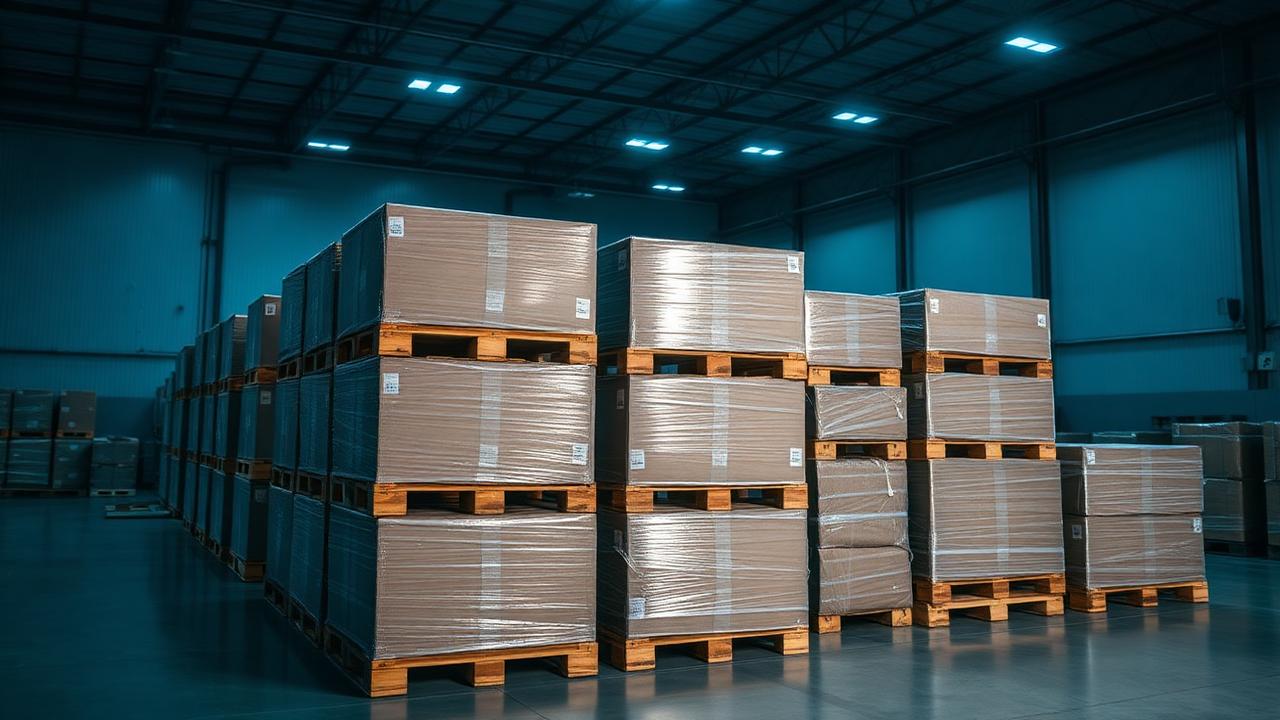 Buying Tactics
Why the discount exists
Unmanifested loads sell cheap because the seller has less information to sell you, and often because someone already picked the good SKUs. If a load had verifiable high-ticket items, listing them would raise the price, so the absence of a manifest is itself a signal.
The math you cannot do
With no manifest, you cannot compute recovery rate, you cannot research comps, and you cannot set a defensible max bid. All you can do is price by the pound or per pallet and hope the category description holds.
The exception: unit-cost businesses
Bin stores, flea markets, and $5-table operations do not need per-SKU value, they need cheap units and steady flow. If your model sells 90% of everything at a flat price point, unmanifested loads at a low per-unit cost can outperform a manifested pallet you paid a premium for.
How to de-risk it anyway
Build your own expected manifest from the lot description, run it through PalletIQ as a model, then compare the real load against that model after you process it. Two or three loops and your mystery-load pricing gets genuinely accurate.
Rules that keep you solvent
Cap unmanifested buys at a fixed share of your monthly sourcing budget, never buy an unmanifested load sight-unseen from a new seller, and always confirm whether the pallet is wrapped, dock-ready, and picked over.
Analyze before you bid
Upload any manifest to PalletIQ and get a grade, recovery estimate, category profit breakdown, and a hard Max Bid in under 60 seconds. New accounts get free analyses, see the marketplace comparison for where to source.
Sources worth checking yourself
- U.S. Census retail sales data, retail and e-commerce demand trends.
- SBA finance guide, small business cash flow basics.
- Direct Liquidation, manifested truckloads and pallets.
Pallet IQ Editorial Team
We buy, grade and resell liquidation pallets, then turn what we learn into the tools on Pallet IQ. Every guide here comes from real manifests, real bids and real sell through numbers.
Written July 29, 2026, last reviewed October 19, 2026