Toy Liquidation Pallet Margins: Reality vs Hype
I lost $420 on my first retail toy lot because I ignored liftgate fees and crushed boxes. Here is what real toy resale math looks like.
By Pallet IQ Editorial Team
Published · Updated
 ROI & Analytics
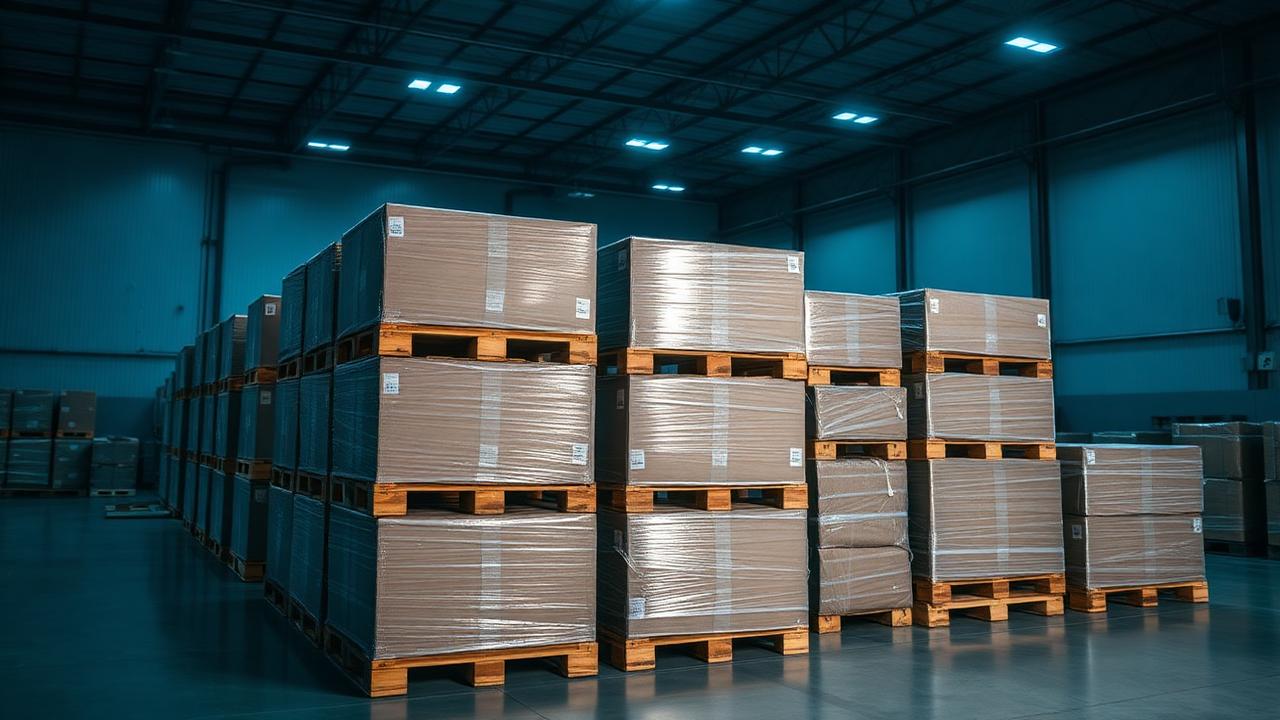
My first bulk toy lot sat on a pallet jack in my Atlanta driveway, soaking up rain through torn stretch wrap. I paid $640 for 140 customer returns from a retail distribution center, expecting easy money. Instead, half the Lego boxes were crushed, two R/C trucks lacked remotes, and my real profit margins on toy liquidation pallets took a beatdown. When the dust settled, I made $48 net profit for twenty hours of labor.
That was six years ago. Since then, we have processed hundreds of truckload and pallet lots across general merchandise, apparel, and seasonal toys. Toys remain one of the trickiest categories in wholesale surplus. According to NRF returns research, retail returns account for hundreds of billions in displaced inventory annually, with toys seeing heavy return volume right after the Q4 holiday crush.
If you want to build a real resale business around liquidations, you cannot rely on the estimated retail value printed on a manifest. You need to understand actual recovery rates, hidden freight costs, channel fees, and processing labor.
What Drives Profit Margins on Toy Liquidation Pallets
Gross profit looks amazing on paper. A auction listing on B-Stock might feature a 40-foot pallet load with an original MSRP of $6,500 listed at a starting bid of $400. That looks like an 85% discount. Beginners look at those numbers and assume they can double or triple their money overnight.
Reality hits when the freight truck arrives. Toys are bulky, lightweight items that kill you on shipping volume. A single box of action figures takes up the same cubic space as five laptops, but carries a fraction of the resale value.
Across the industry, toy recovery rates typically hover between 20% and 35% of original retail value. You can check category benchmarks in our recovery rate report to see how toys stack up against consumer electronics or softlines. If a manifest says $5,000 MSRP, expect to generate around $1,000 to $1,750 in gross revenue before any fees or shipping expenses.
Your net margin depends entirely on three variables: condition grading, delivery costs, and your chosen sales channel.
Sorting the Grades: Overstock vs. Customer Returns
Not all liquidation lots are created equal. A pallet of case-pack overstock plays by totally different rules than a lot of high-runner store returns.
Overstock items are surplus store inventory that never left the retail chain. The packaging is intact, factory seals are unbroken, and missing parts are rare. Customer returns, on the other hand, are a roll of the dice. Parents buy ride-on toys, their kids play with them for three days, tear the box, lose the charger, and take them back to the store.
| Condition Grade | Typical Yield % | Primary Resale Channel | Expected Recovery |
|---|---|---|---|
| Grade A (Overstock / Shelf Pulls) | 85-95% | Amazon, eBay, Walmart | 35-50% MSRP |
| Grade B (Box Damage / Open Box) | 70-82% | Whatnot, Mercari, eBay | 25-35% MSRP |
| Grade C (Customer Return - Mixed) | 50-65% | Local Cash, OfferUp, Flea Markets | 15-25% MSRP |
| Grade D (Salvage / Parts Only) | 20-35% | Bundle Lots, Scrap, Local Clearance | 5-12% MSRP |
If you buy Grade C returns, expect at least 15% to 20% of the lot to be complete scrap or un-sellable trash. Missing pieces in board games, corroded battery compartments in interactive dolls, and missing remote transmitters are common failure points.
Calculating Real Profit Margins on Toy Liquidation Pallets: A Full P&L
Let us run through a real-world financial breakdown. We won a lot on Liquidation.com consisting of 85 units of mixed mid-tier toys (board games, R/C vehicles, playsets, and outdoor toys) originating from a midwest distribution hub.
Here are the exact numbers on that lot:
- Manifest MSRP: $4,200
- Winning Bid: $750
- LTL Freight (350 miles): $220
- Accessorials (Residential Delivery $60 + Liftgate Service $50): $110
- Total Cost Basis: $1,080
After unloading, testing, cleaning, and cataloging every unit, we sorted the haul. Ten units were completely unsellable due to heavy damage or missing core parts. We listed the remaining 75 items across platforms like eBay, Mercari, and local marketplaces.
- Total Gross Resale Revenue: $2,150
- Marketplace Selling Fees (~13.5% avg across platforms): $290
- Out-of-pocket Shipping Labels (buyer paid part, we covered rest): $215
- Packaging materials (boxes, tape, bubble wrap): $45
- Net Cash Profit: $520
Let us look at the financial metrics. Our net margin on gross sales was 24.18% ($520 / $2,150). Our Net ROI on cash invested was 48.14% ($520 net profit / $1,080 total cost basis). You can run your own lot projections using our pallet ROI calculator to stress-test your numbers before submitting a bid.
Notice how freight killed over 30% of our total procurement budget. If you ignore freight fees or fail to use a shipping cost calculator, your margin evaporates instantly.
Where Toy Liquidation Lots Go Completely Sideways
Every reseller eats a bad lot eventually. In the toy category, failure usually happens in predictable ways.
The biggest trap is small-part loss. A board game missing three key tokens is useless as a complete game. You either sell it for parts to collectors or throw it away. Interactive toys with proprietary chargers are another nightmare. If a $90 robotic pet is missing its custom USB cord, you have to buy a replacement power cable online for $8, which eats your remaining profit margin.
Another landmine is seasonality. Toy prices spike dramatically between October and December. If you buy customer return pallets in January, you are buying the tail end of holiday returns. Demand drops sharply in February. If you hold inventory for nine months waiting for next winter, your holding costs and storage space eat your return.
Finally, carrier surprises will crush your profits fast. LTL carriers charge strict accessorial fees if you do not have a commercial dock or a forklift. Standard carrier charges published by services like FedEx Freight add up quickly. A $50 liftgate fee plus a $60 residential delivery surcharge will turn a slim profit margin into a direct financial loss.
Smart Sourcing Strategies for Higher Yields
To keep your margins healthy, you need to minimize landed costs and process inventory quickly.
First, target local or regional sourcing hubs whenever possible. Picking up pallets in person eliminates LTL freight charges entirely. Saving $300 on shipping directly boosts your bottom line by $300.
Second, diversify your resale channels based on item condition. Brand new overstock items belong on multi-channel marketplaces or e-commerce storefronts. Open-box items with damaged packaging do extremely well on live auction apps like Whatnot. Bulky toys, like plastic playhouses or battery-powered ride-on vehicles, should be sold locally for cash on platforms like Facebook Marketplace to completely eliminate dimensional shipping charges.
Before placing any bid, upload the manifest file into a manifest analyzer. This lets you evaluate real historical market values rather than trusting publisher retail prices. Once you know your estimated net yield, check your ceiling with our maximum bid calculator so you never overpay in an auction bidding war.
What is a realistic net margin for liquidation toys?
A healthy net margin for toy liquidation pallets ranges between 18% and 28% after subtracting manifest cost, freight, marketplace fees, and supply expenses. Overstock lots typically yield higher margins than mixed customer return lots.
Where is the best place to resell unboxed or open-box toys?
Open-box toys sell fastest on live auction channels like Whatnot, or on secondary marketplaces like Mercari and eBay. Bulky or heavy open-box items perform best on local cash platforms like Facebook Marketplace or OfferUp, where you avoid high dimensional shipping fees.
How do seasonal cycles impact toy pallet recovery rates?
Toy demand reaches its absolute peak during Q4. Sourcing toy liquidation pallets in late summer allows you to process inventory in time for holiday demand, yielding recovery rates 10-15% higher than during post-holiday liquidation clearance windows in Q1.
Understanding the real profit margins on toy liquidation pallets comes down to honest accounting. If you calculate freight accessorials upfront, account for scrap rates, and use a structured buying framework like our buying decision guide, you can consistently buy lots that make real money.
Pallet IQ Editorial Team
We buy, grade and resell liquidation pallets, then turn what we learn into the tools on Pallet IQ. Every guide here comes from real manifests, real bids and real sell through numbers.
Written October 15, 2026, last reviewed October 19, 2026