The Best Places to Buy Electronics Liquidation Pallets
Electronics liquidation will test your sanity. Here is our honest breakdown of where to source tech lots without taking a bath on broken gear and phantom manifests.
By Pallet IQ Editorial Team
Published · Updated
 Sourcing Strategy
I still remember the first pallet of consumer tech I bought. It was a 42-unit mixed audio lot shipped out of a warehouse in Spartanburg, South Carolina. I paid $1,200 for the manifest, added $240 for LTL freight, and waited like it was Christmas morning. When the box truck pulled up, half the boxes looked like they had been thrown down a flight of stairs. Out of 42 items, twelve were gutted for internal circuit boards, eight lacked power bricks, and six were completely dead. My net recovery rate on that lot landed at 28 percent. I barely broke even after spending 40 hours with a soldering iron and an eBay listing queue.
Finding the best places to buy electronics liquidation pallets takes trial, error, and a thick skin. Tech returns carry some of the highest gross resale margins in the liquidation world, but they also bring the highest rate of fraud, hidden damage, and inflated manifests. If you do not know where to look or how to audit a truckload before wire-transferring your funds, you will get eaten alive.
Let us clear up how the supply chain works before talking about specific marketplaces. Electronics move through four main condition grades in wholesale liquidations:
- Grade A/B (Overstock or Shelf Pulls): Store display units or unsold retail stock. Usually minor box wear, complete accessories, high functionality.
- Grade C (Customer Returns): Buyers opened the box, tested the item, and returned it within 30 days. Expect 60-70% working units, with missing cables and cosmetically scratched housings.
- Grade D (Salvage): Store trade-ins, damaged freight, or items written off as scrap. Expect stripped parts, cracked screens, and non-functional mainboards.
Electronics generally yield a category recovery rate between 25% and 40% of original MSRP when sold across secondary marketplaces like eBay or Mercari. Compare that to apparel at 8-15% or power tools at 30-45%. The higher ceiling on tech makes it tempting, but freight fees will destroy your math if you do not plan ahead. Standard Less-Than-Truckload (LTL) freight runs $0.80 to $2.50 per mile. Add a $50 liftgate fee, a $75 residential delivery charge, and a $40 limited-access fee, and a $400 pallet quickly becomes a $700 debt before you open a single box.
Evaluating the Best Places to Buy Electronics Liquidation Pallets
Not all liquidators are built the same. You have direct-from-retailer auction portals on one end, and regional middlemen on the other. Here is where experienced buyers actually source tech lots.
B-Stock Sourcing Network
B-Stock hosts official liquidation storefronts for major retailers like Target, Best Buy, Walmart, and Amazon. You buy directly from the retailer return processing centers (RDCs).
- You get untouched raw returns. Nobody cherry-picks the valuable iPhones or gaming consoles before you see the lot.
- B-Stock auctions run hot. You are competing against large refurbishing operations that bid up prices. Freight is fully managed by you or charged at strict contract rates.
Liquidation.com
Liquidation.com is one of the oldest online auction hubs. They aggregate consumer electronics lots ranging from single box mailers to full 26-pallet truckloads.
- Low barrier to entry. You can find smaller lots capped under $500, which helps when testing local demand.
- Lots marked as untested customer returns frequently come from secondary liquidators who already pulled out the high-margin items. Manifest coverage can be spotty.
Direct Liquidation and Bulq
These platforms specialize in fixed-price and auction overstock. Bulq offers flat-rate shipping ($200 per pallet), which simplifies freight calculations.
- Predictable shipping costs on Bulq make cash-flow planning easier for home-based operations.
- Recovery rates on Bulq tech pallets are notoriously low. You will see a lot of lower-value accessories like phone cases, unbranded smartwatches, and third-party charging cables.
Local Wholesale Liquidators and Regional Auctions
Local auctions allow you to inspect pallets in person before bidding. You avoid LTL freight entirely by using your own truck and trailer.
- Zero freight costs if you pick up locally. You can inspect box conditions, check seal integrity, and gauge manifest honesty with your own eyes.
- Volume is inconsistent. You might go weeks without seeing a quality consumer electronics lot clear through your local warehouse.
Sourcing Platform Comparison
| Sourcing Platform | Inventory Type | Manifest Accuracy | Freight Handling | Typical Category Recovery |
|---|---|---|---|---|
| B-Stock Enterprise | Direct Retailer Returns | High (85-95%) | Buyer Arranged / Freight Quote | 30% - 45% of MSRP |
| Liquidation.com | Mixed Broker / Overstock | Medium (60-75%) | Platform Arranged | 20% - 35% of MSRP |
| Bulq | Fixed Box & Pallet | High (80-90%) | Flat-Rate ($200/pallet) | 15% - 25% of MSRP |
| Regional Auctions | Local Warehouses | Low to Medium | Local Pickup Only | 25% - 40% of MSRP |
Top Criteria for Choosing the Best Places to Buy Electronics Liquidation Pallets
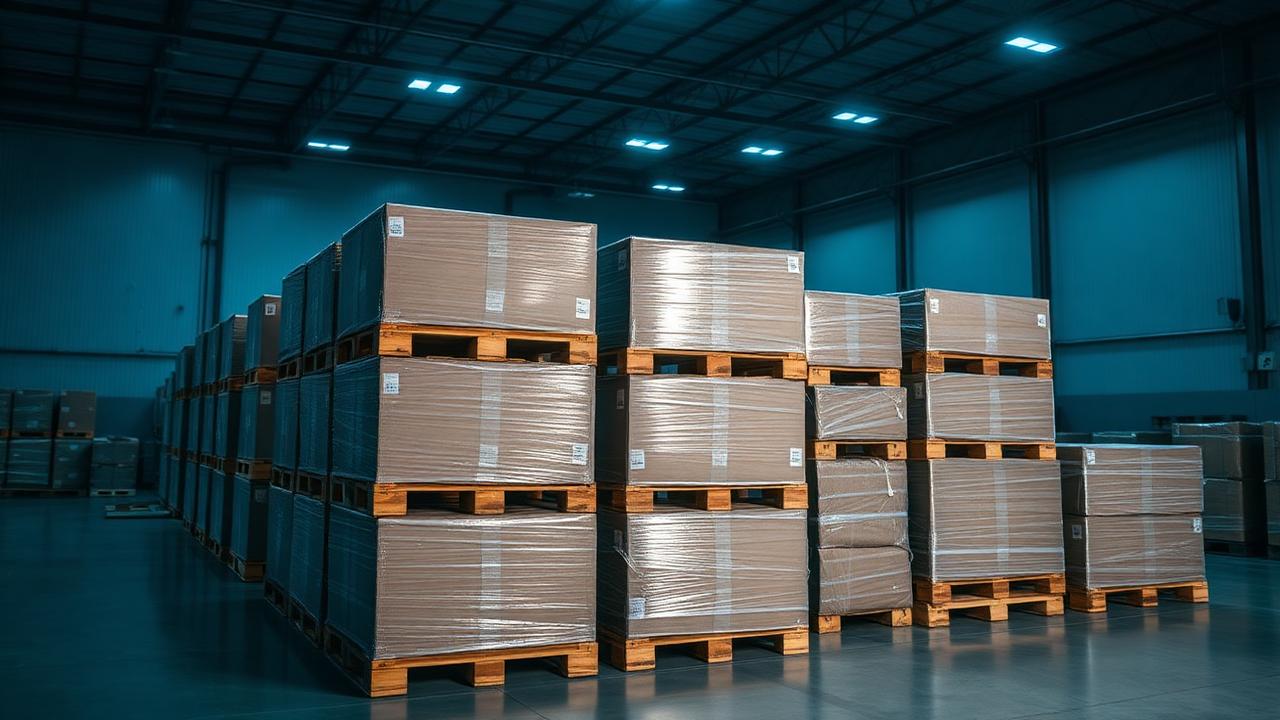
When you compare platforms, do not just look at the photo of a stacked pallet wrapped in clear stretch-film. Look at the paper trail.
First, check the seller identity. If the seller is Target Returns on B-Stock, you receive raw un-inspected merchandise. If the seller is a third-party liquidation company selling on a public auction marketplace, assume the lot was sorted. Someone likely removed the working laptops and left the broken soundbars.
Second, analyze the manifest detail. A good manifest includes original UPCs, serial numbers, retail prices, and item descriptions. If a manifest lists Assorted Electronics - 100 units with a flat $5,000 estimated retail value, walk away. That is a dump lot. Use a manifest analysis tool like Pallet IQ to quickly calculate real-market resale values against historical eBay sold listings rather than trusting printed retail MSRPs.
Third, factor in marketplace selling fees. When you resell tech online, your gross proceeds take an immediate hit:
- eBay: ~13.25% category fee + $0.30 fixed fee per order.
- Amazon Individual: ~15% referral fee plus closing fees.
- Mercari: 10% seller fee plus payout processing.
- Facebook Marketplace / Local Pickup: 0% to 5%, but lower sales velocity.
Real P&L Breakdown of an Electronics Pallet Lot
Let us look at a real lot scenario to see how the numbers shake out. This was a 36-unit customer return audio lot out of an Indiana distribution center.
Acquisition & Logistics Costs
- Winning Bid Amount: $620.00
- Buyer Premium (10%): $62.00
- LTL Freight Cost (320 miles): $185.00
- Liftgate Accessorial Fee: $50.00
- Residential Delivery Fee: $40.00
- Total Cost Basis: $957.00
Lot Audit & Functional Yield (36 Total Units)
- Fully Working / Complete Box (18 units): Resold on eBay at average $45 net price = $810.00
- Minor Repairs / Missing Cable (8 units): Repaired with generic cables, sold at average $28 net price = $224.00
- Parts Only / Broken (6 units): Sold as a scrap lot on eBay = $65.00
- Complete Trash / Non-Functional ICs (4 units): $0.00 recovery
Gross Sales & Net Profit Summary
- Gross Resale Revenue: $1,099.00
- Minus eBay & Payment Processing Fees (~13.5%): -$148.37
- Minus Outbound Shipping Costs (Subsidized): -$112.00
- Minus Replacement Cable Sourcing: -$18.00
- Net Resale Revenue: $820.63
- Total Cost Basis: -$957.00
- Net Profit / Loss: -$136.37
This lot resulted in a net loss of $136.37. Why? Because freight ate up $275 of the budget on a low-yield $620 pallet. If this same pallet had been picked up locally for zero freight cost, the net profit would have been $138.63. Freight is the single silent killer in small-scale tech liquidation.
How This Goes Wrong: The Silent Traps of Tech Reselling
The quickest way to burn capital in tech liquidation is buying untested lots from mid-tier liquidators who run repair operations.
Here is the exact failure mode: A mid-tier refurbishment company buys raw returns from big-box retailers by the truckload. Their technicians open every box, test the high-value items, repair what is easy, and list the working gear on Amazon Renewed. What happens to the items with blown capacitors, cracked motherboards, or missing internal ribbons? They get re-wrapped, stacked onto a pallet, labeled as Untested Wholesale Electronics, and auctioned to unsuspecting buyers.
You are not buying customer returns at that point. You are buying another reseller's trash bin. Unless you are buying direct from a primary retailer return node or picking up sealed manifest lots with verifiable UPCs, treat untested as code for unrepairable scrap.
Finding the best places to buy electronics liquidation pallets requires strict discipline around freight expenses, manifest audit rigor, and vendor vetting. Focus your early efforts on direct retailer auctions like B-Stock or local pickup warehouses where you eliminate shipping costs entirely. Keep your math conservative, test every unit thoroughly, and never pay premium prices for unverified condition descriptions.
What is the average recovery rate on tech liquidation pallets?
Consumer electronics typically yield between 25% and 40% of the original manufacturer suggested retail price (MSRP). This varies depending on whether the lot consists of unopened overstock, store shelf pulls, or un-inspected customer returns.
How do I avoid paying massive freight charges on single pallets?
To keep shipping costs low, look for regional liquidation warehouses within driving distance where you can arrange local pickup. If using LTL freight carriers, ship to a commercial address with a loading dock or forklift to eliminate residential and liftgate accessorial fees.
Can beginners make money buying electronics returns?
Yes, but beginners should start with smaller, fully manifest lots or local pickups. Avoid unmanifested tech pallets or lots heavy on complex items like televisions and smart displays, which carry high freight costs and high damage rates during transit.
Pallet IQ Editorial Team
We buy, grade and resell liquidation pallets, then turn what we learn into the tools on Pallet IQ. Every guide here comes from real manifests, real bids and real sell through numbers.
Written August 27, 2026, last reviewed October 19, 2026