ROI Calculator for Liquidation.com Pallets: P&L Guide
Winning a Liquidation.com lot is easy. Making cash after LTL freight spikes, marketplace commissions, and scrap units requires exact ROI math before you place a bid.
By Pallet IQ Editorial Team
Published · Updated
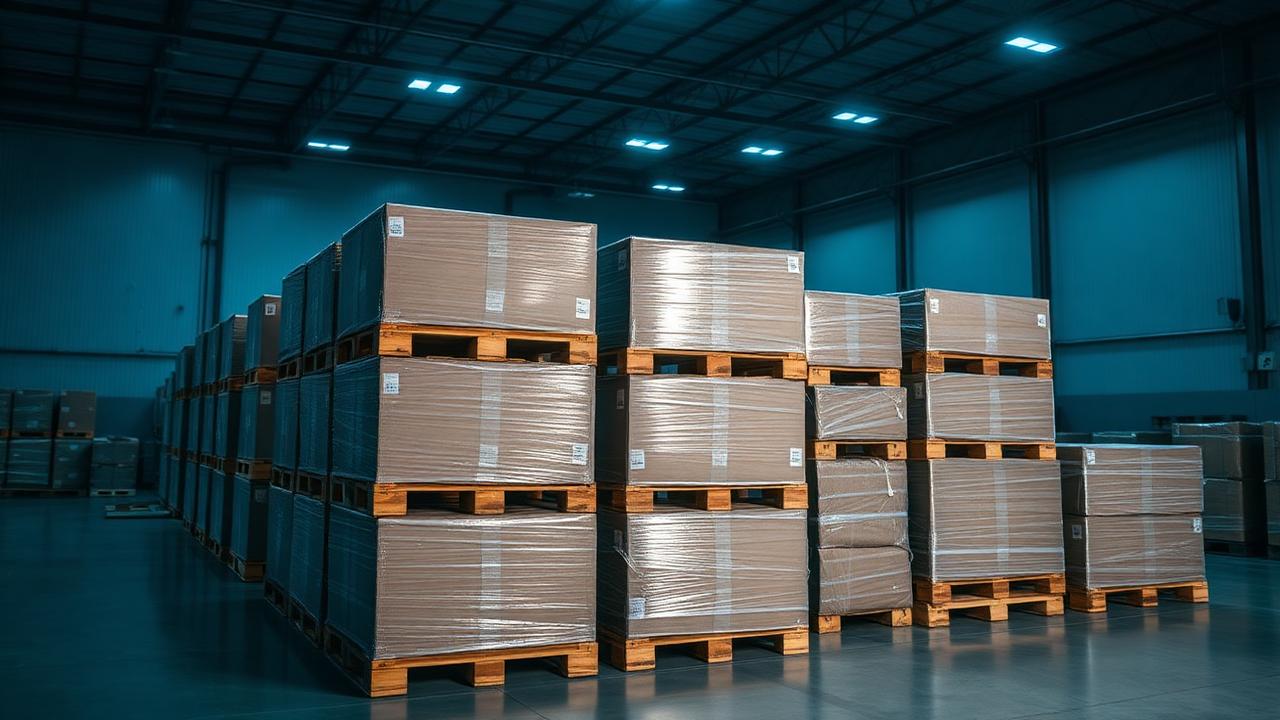 Pallet ROI Analysis
Three years ago, I won a 48-unit lot of small home appliances out of a warehouse in Garland, Texas. The retail value on paper showed $4,200. I placed a winning bid of $1,150 and felt like a genius for five minutes. Then the freight quote settled at $380 because I forgot to uncheck the liftgate surcharge on a residential drop. When the pallet arrived, eight boxed air fryers were missing power cords, three toaster ovens were dented into scrap metal, and two microwaves were flat-out dead on arrival. After paying marketplace commission and shipping out working units individually, my actual bank profit was negative $142.
That experience taught me a hard lesson. If you do not run an roi calculator for liquidation com pallets on your numbers before pushing your bid past three figures, you are gambling. Liquidation returns are not wholesale closeouts. Retail returns across the US hit over $740 billion according to NRF returns research, and a heavy slice of that customer-returned inventory ends up on Liquidation.com. Using a disciplined pallet ROI calculator is the only reliable buffer between taking home cash and eating four hundred pounds of unsellable trash.
Why You Need an ROI Calculator for Liquidation.com Pallets
Liquidation listings sound clean. The manifest lists original retail prices, brand names, and stock-keeping unit numbers. The reality inside the stretch wrap is messy.
When you purchase customer returns, you are buying a mixed bag of buyer regret, transit damage, and warehouse sorting errors. A manifest claiming a $10,000 retail value rarely yields $10,000 in gross sales. You have to adjust your expectations based on grading definitions, category dynamics, and scrap rates.
Here is how condition grades generally convert into realistic gross recovery:
- Grade A (Overstock / Shelf Pulls): Unsold inventory with damaged outer boxes or discontinued stock. Expect 40-55% of original retail value in gross resale revenue.
- Grade B (Customer Returns - Good): Items are tested working or show minimal cosmetic wear. Expect 25-35% of retail value.
- Grade C (Customer Returns - Mixed / Salvage): Items may be non-functional, missing critical accessories, or heavily worn. Expect 12-20% of retail value.
- Grade D (Untested / Raw Liquidation): Straight off the store floor without inspection. Expect 10-15% gross recovery after accounting for scrap.
If you plug unadjusted retail values into your profit projections, your math will fail every single time. A professional manifest evaluation requires you to run every line item through a manifest analyzer to strip away MSRP inflation before you place your first bid.
Freight Accessorials, Marketplace Fees, and Hidden Costs
Winning the auction is only step one. The real margin killers show up on the freight invoice and the secondary sales bill.
Freight for Less-Than-Truckload (LTL) shipments usually ranges from $0.80 to $2.50 per mile, depending on fuel prices, regional lanes, and total weight. But the base shipping rate is never what you actually pay if you do not have a commercial warehouse dock.
Accessorial fees pile up instantly:
- Residential Delivery: $50 to $100 fee charged by freight carriers when dropping off at a home address.
- Liftgate Service: $50 to $75 charge when the delivery site lacks a freight loading dock or forklift.
- Limited Access Fee: $30 to $60 extra for deliveries to storage units, farms, or restricted zones.
- Inside Delivery: $75 to $150 if the driver moves the pallet beyond the back of the freight truck.
Before bidding, use a dedicated shipping cost calculator to estimate these charges down to the penny. Carrier rules from companies like FedEx Freight strictly enforce these add-ons, and they will bill your account automatically post-delivery.
Next comes the platform take rate when you resell your inventory. You need to run fee projections through a marketplace fee calculator so you do not swallow unexpected commission hits:
- eBay seller fees average around 13.25% plus a $0.30 fixed fee per order.
- Amazon referral fees average 15% across most consumer categories, plus fulfillment fees if you send inventory to FBA warehouses.
- Local channels like Facebook Marketplace charge 5% for shipped orders or 0% for local cash pickups.
Fully Worked P&L Example: A $1,200 Consumer Electronics Pallet
Let's break down a full financial picture for a real lot. We will examine a manifested 35-unit lot of mixed home electronics out of a Liquidation.com regional warehouse.
- Manifested Retail Value: $5,400
- Auction Lot Condition: Customer Returns (Grade B/C Mix)
- Winning Bid: $850
- Liquidation.com Buyer Premium (10%): $85
- Estimated Resale Timeline: 45 days
Let's trace every single dollar from auction win to final sale:
Cost Basis & Direct Expense Breakdown:
- Winning Auction Bid: $850.00
- Buyer Premium (10%): $85.00
- LTL Freight (420 miles): $210.00
- Liftgate Fee: $60.00
- Residential Delivery Fee: $65.00
- Total Initial Outlay: $1,270.00
Inventory Yield and Grading Realities:
- 20 units are tested working and complete (Grade A/B). Gross resale value: $1,800.00
- 8 units need minor cleaning, missing cables, or open box packaging (Grade C). Resale value: $450.00
- 4 units are sold for parts or repair only. Resale value: $110.00
- 3 units are unsellable junk or scrap (Grade D). Resale value: $0.00
- Total Gross Sales Realized: $2,360.00
Resale Costs & Marketplace Take Rates:
- Resale channels split: 70% eBay, 30% local cash pickup.
- Estimated marketplace fees (eBay 13.25% + fixed transactions): $220.00
- Outbound shipping costs paid by seller: $280.00
- Packaging supplies (boxes, bubble wrap, tape): $45.00
- Total Resale Expenses: $545.00
Final Financial Result:
- Total Gross Sales: $2,360.00
- Minus Resale Expenses: -$545.00
- Net Resale Revenue: $1,815.00
- Minus Initial Outlay: -$1,270.00
- Net Cash Profit: $545.00
- Return on Investment (ROI): 42.9%
- Profit Margin on Revenue: 23.1%
In this scenario, the lot generated a respectable $545 net profit. But if freight had cost $150 more, or if 6 additional units had been dead, your profit margin would have evaporated. Checking these numbers in a comprehensive buying decision guide keeps your capital safe.
Category Recovery and Resale Channel Matrix
Different inventory categories behave differently on the secondary market. A tool lot yields clean resale value quickly, while clothing returns demand massive labor for lower gross return.
| Category | Retail Recovery % | Primary Resale Channel | Processing Labor | Scrap Risk |
|---|---|---|---|---|
| Power Tools & Hardware | 30-45% | eBay, Local Pickup | Low | Low |
| Home Consumer Electronics | 25-40% | eBay, Mercari | High (Testing) | Medium-High |
| Small Kitchen Appliances | 20-35% | eBay, Facebook | Medium | Medium |
| Apparel & Footwear | 8-15% | Poshmark, Whatnot | Very High | Low |
| General Housewares / Soft Goods | 15-25% | Local Yard Sale, Flea | Low | Low |
Understanding recovery rate patterns prevents you from overpaying for high-labor, low-margin inventory like apparel returns.
How This Goes Wrong: The 4 Failure Modes of Liquidation Bidding
Succeeding in liquidation reselling is less about finding winning deals and more about dodging fatal financial traps. Here are four ways resellers lose cash on auction sites.
- Manifest Inflation Overconfidence Retail prices listed on liquidation manifests reflect original full-price store tags, not current market values. A discontinued smart home device originally priced at $200 might sell brand new on eBay today for $60. If you base your recovery projections on $200 MSRP, your math is broken before you even bid.
- Accessorial Freight Shock If you fail to factor in destination liftgate charges, residential fees, or re-consignment penalties, carrier billing adjustments will wipe out your profits post-delivery. Always clear freight costs ahead of time.
- Ignoring Testing and Refurbishing Labor Testing 40 electronic units takes time. Cleaning, sourcing replacement power supplies, testing functionality, and wiping customer data require hours of labor. If an item takes 45 minutes of work to yield a $12 net profit, you are working for below minimum wage.
- Cash Flow Lockup in Low Sell-Through Stock Buying cheap inventory that takes six months to sell ties up your working capital. If your inventory turnover drops, you run out of cash for fresh, high-margin lots. Check your velocity using a sell-through calculator before locking up your funds.
Setting Bid Ceilings using an ROI Calculator for Liquidation.com Pallets
Never bid based on emotion or excitement during the closing minutes of an auction. Determine your maximum bid price in cold blood before the clock starts ticking.
Your maximum bid ceiling formula should look like this:
Maximum Bid = (Estimated Gross Realizable Resale * Expected Yield Rate) - (Estimated Freight + Accessorials + Marketplace Fees + Packing Costs + Target Net Profit Margin).
If your target return is 35% on invested capital and your calculated maximum bid is $620, walk away the second the auction reaches $625. There will always be another pallet. Staying disciplined and running every lot through an roi calculator for liquidation com pallets keeps your warehouse operational and cash-flow positive.
Frequently Asked Questions
What is a good return on investment for Liquidation.com pallets?
A healthy target return on invested capital for customer return pallets is 30% to 50% net profit after all freight, fees, and supply costs are subtracted. Overstock lots with sealed boxes can target 25% to 35% because processing labor is significantly lower.
How do I calculate estimated shipping on Liquidation.com lots?
Liquidation.com provides integrated freight shipping quotes on auction pages based on weight, pallet count, and destination zip code. You must explicitly select residential delivery and liftgate services if you do not operate a commercial building with a loading dock and forklift.
What scrap rate should I assume for uninspected customer return pallets?
For uninspected customer return lots (Grade C/D), always build a 15% to 25% scrap or manifest error rate into your math. For electronics, scrap rates can occasionally hit 30%. Overstock or shelf pull lots (Grade A/B) typically carry a much lower scrap rate of 2% to 5%.
Pallet IQ Editorial Team
We buy, grade and resell liquidation pallets, then turn what we learn into the tools on Pallet IQ. Every guide here comes from real manifests, real bids and real sell through numbers.
Written September 8, 2026, last reviewed October 19, 2026