Real Profit Margins on Home Depot Liquidation Pallets
Home Depot pallets look like easy money until freight and broken Ryobi tools eat your gross margin. Here is what your actual return looks like after reality hits.
By Pallet IQ Editorial Team
Published · Updated
 Pallet Buying Strategies
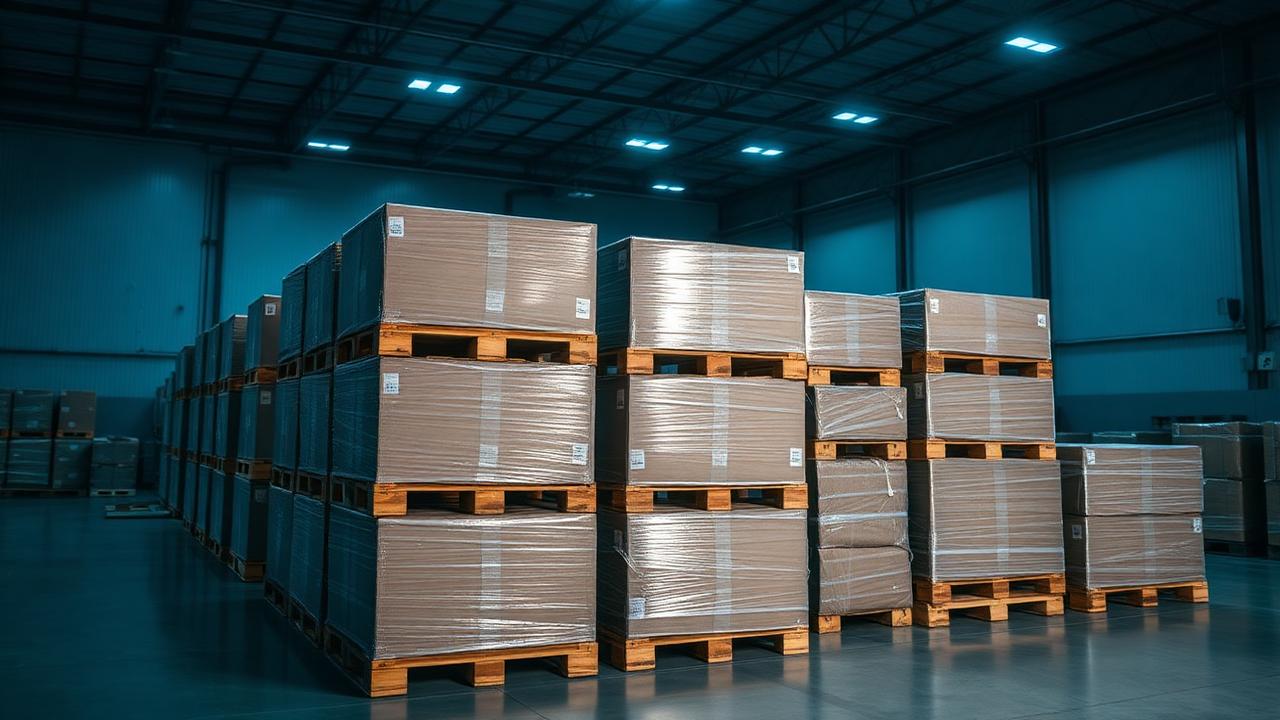
We once landed a three-pallet customer return lot out of a Home Depot regional facility in Indiana. The manifest showed $11,400 in original retail price, packed with Ryobi 18V combo kit returns, Milwaukee drills, Ridgid wet/dry vacuums, and a stack of Hampton Bay ceiling fans. On paper, paying $1,650 plus shipping sounded like printing money. Then the carrier truck showed up at our warehouse dock. Two of the drill kits were missing their lithium batteries, three ceiling fan boxes held crushed drywall pieces instead of light fixtures, and a pressure washer had a cracked pump housing full of frozen water.
If you read social media flexes, you might think profit margins on home depot liquidation pallets hover around 60% or 70%. In the real warehouse world, that is pure fiction. Once you pay freight, clean units, source replacement parts, pay platform fees, and write off dead weight, your true net return sits in a much tighter, grittier range.
Understanding profit margins on home depot liquidation pallets requires separating raw retail value from real-world cash flow. Here is what actually happens to your money when you buy Home Depot returns, how to model your downside, and why the line between a 30% net margin and losing your shirt comes down to operational discipline.
How Retail Recovery Shapes Profit Margins on Home Depot Liquidation Pallets
Home Depot handles inventory disposal through major auction platforms like B-Stock as well as secondary wholesale suppliers. Depending on whether you buy unsearched customer returns, store overstock, or salvage hardware, your expected return changes dramatically.
Not all retail dollars are created equal. According to our internal recovery rate report, hardware and power tools generally recapture 30-45% of retail value, while home decor and seasonal items drop down to 15-25%.
- Power Tools (Ryobi, Milwaukee, DeWalt, Ridgid): High buyer demand, fast turnaround, but heavy return rates due to missing batteries or user abuse. Expect 35-45% gross recovery.
- Outdoor Power Equipment (Lawnmowers, trimmers, pressure washers): Seasonal demand, heavy to ship, frequent gas engine or pump failures. Expect 25-35% gross recovery.
- Lighting, Fans, and Fixtures: High damage rate during return transit, missing hardware packs, high box volume relative to resale value. Expect 20-30% gross recovery.
- Plumbing and Electrical Hardware: High yield if complete, but sorting thousands of small fittings takes endless labor hours. Expect 30-40% gross recovery.
When evaluating a lot on a manifest analyzer, never calculate margin using the original MSRP. Use realistic expected resale prices on channels like eBay seller fees or local cash buyers on Facebook Marketplace.
The Fully Worked P&L: Real Numbers on a Power Tool Lot
Let us walk through a realistic, single-pallet transaction. You bid on a manifested 42-unit mixed power tool and lawn care return lot from a Home Depot distribution hub.
Manifest Total MSRP: $6,800 Your Winning Bid: $1,150 Auction Buyer Premium (10%): $115 LTL Freight with Liftgate: $385 (booked via FedEx Freight) Total Delivered Cost Basis: $1,650
Now let us examine what happens when the shrink wrap comes off:
- 18 units (43% of lot) are working, complete, and need only light cleaning. Resale value: $2,200.
- 12 units (28% of lot) need minor repairs, missing handles, or cleanups, sold as used/good. Resale value: $950.
- 6 units (14% of lot) are missing crucial parts like bare tools without batteries or cords. Sold for parts on eBay. Resale value: $240.
- 6 units (14% of lot) are completely unsalvageable scrap or trash. Resale value: $0.
Gross Realized Revenue: $3,390
Now subtract expenses to calculate true net profit margins on home depot liquidation pallets:
- Total Delivered Cost Basis: $1,650
- Marketplace fees (~13.25% average across channels): $449
- Outbound shipping subsidies and packaging material: $210
- Spare parts purchased to complete units (2 chargers, 1 hose): $65
- Total Expenses: $2,374
Net Cash Profit: $3,390 minus $2,374 = $1,016 Net ROI on Cost Basis: 61.5% ($1,016 divided by $1,650) Net Profit Margin on Sales: 30.0% ($1,016 divided by $3,390)
You can run your own scenarios on a pallet ROI calculator or set strict caps using a maximum bid calculator before placing auction bids.
Home Depot Liquidation Lot Types Compared
To pick the right inventory for your warehouse footprint, you need to know how lot types compare in yield, processing time, and margin potential.
| Lot Type | Typical Cost (% of MSRP) | Processing Labor | Scrap Rate | Realized Net Margin |
|---|---|---|---|---|
| Power Tools Return Truckload | 18-24% | High (Testing required) | 12-20% | 28-36% |
| Store Overstock Hardware | 25-35% | Low (Plug and play) | 2-5% | 22-28% |
| Lawn & Garden Seasonal | 14-20% | Very High (Mechanical) | 20-30% | 18-28% |
| Scratch & Dent Appliances | 20-28% | Medium (Cosmetic focus) | 8-15% | 25-32% |
| Bulk Mixed Plumbing/HVAC | 10-15% | Extreme (Sorting needed) | 15-25% | 30-42% |
Where Resellers Lose Profit Margins on Home Depot Liquidation Pallets
The profit margins on home depot liquidation pallets look phenomenal on a spreadsheet until operational traps snap shut on your business.
- Freight Surcharges and Accessorials If you do not operate out of a commercial building with a loading dock, carrier fees will crush your margin. A $300 freight quote jumps instantly if you add a liftgate fee ($75), a residential delivery surcharge ($80), or a limited-access fee ($50). Plug your numbers into a shipping cost calculator before bidding, or arrange pickup at a local freight terminal.
- The Missing Battery Trap Home Depot customers love to buy combo kits, swap out expensive 18V or 20V lithium batteries for their dead old packs, and return the box. When you open the lot, four $150 bare tools are missing $90 battery packs. If you have to buy OEM batteries to make units salable as full kits, your profit margin evaporates.
- Unmanifested General Merchandise Pallets Mystery boxes from home improvement stores sound fun until you receive four pallets of bent copper pipes, broken toilet tanks, and open bags of quick-set concrete. Avoid unmanifested lots unless you buy them locally at strict scrap pricing.
- Storage Bloat and Slow Capital Turn Heavy power tools and bulky lawnmowers take up massive warehouse floor space. If you price items too aggressively and hold them for six months, holding costs eat your margin. Use a buying decision guide to ensure your turnaround time stays under 45 days.
What is a normal net profit margin on Home Depot liquidation pallets?
A disciplined reseller usually sees a realistic net profit margin between 22% and 35% after factoring in winning bids, LTL freight, replacement parts, channel fees, and dead weight trash. While gross margins can appear to exceed 50%, real operational costs keep net margins grounded.
Where can you buy official Home Depot liquidation pallets?
Home Depot sells bulk liquidation inventory through official B-Stock auction portals, as well as direct contracted liquidation brokers like Direct Liquidation or Liquidation.com. Always verify seller credentials and manifest details before submitting bids.
Is it better to sell Home Depot tools locally or online?
Heavy, bulky items like pressure washers, miter saws, and lawnmowers yield better net profit when sold locally on Facebook Marketplace or OfferUp because you bypass hefty shipping and platform fee structures. Smaller hand tools, bare drills, and specialized hardware sell faster on eBay where nationwide buyer reach compensates for final value fees.
Pallet IQ Editorial Team
We buy, grade and resell liquidation pallets, then turn what we learn into the tools on Pallet IQ. Every guide here comes from real manifests, real bids and real sell through numbers.
Written September 9, 2026, last reviewed October 19, 2026