Profit Margins on Kohls Liquidation Pallets: Real P&L
We backed a truck into an Indiana hub to load four pallets of Kohl's returns. Here is what hit our bank account after processing every single unit.
By Pallet IQ Editorial Team
Published
 Resale ROI
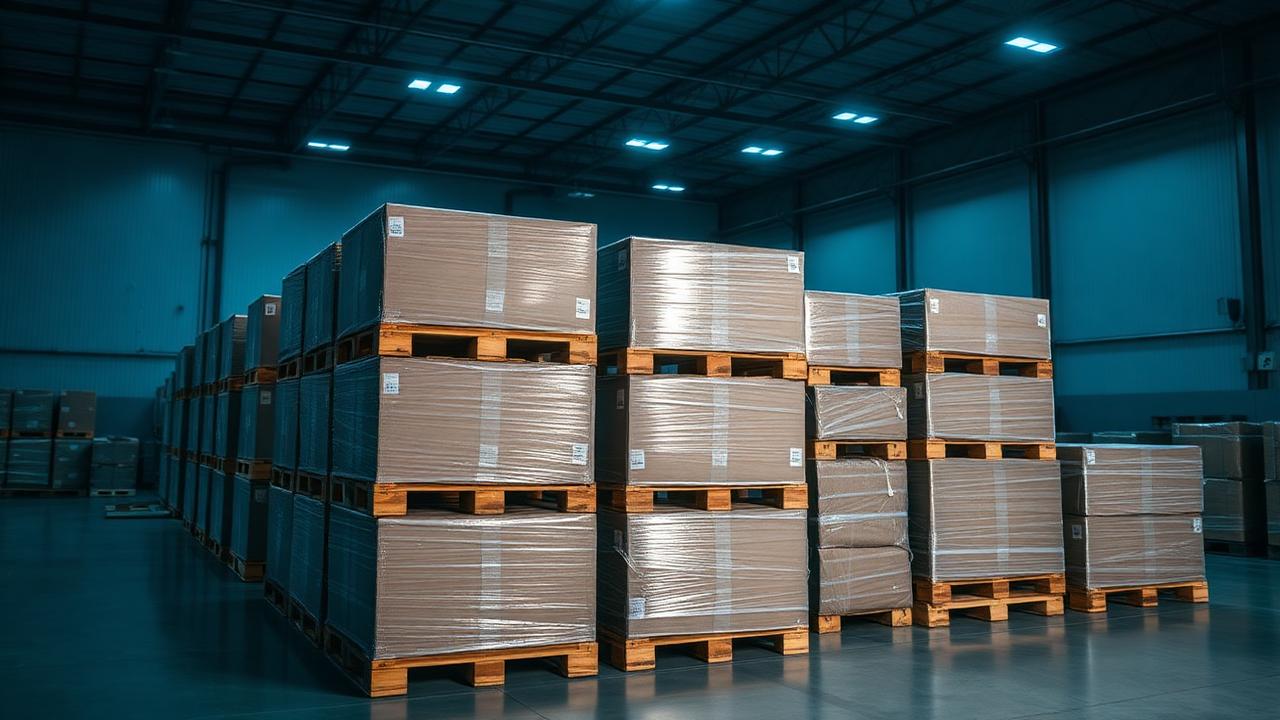
We paid $1,150 for a four-pallet load of Kohl's customer returns coming out of an auction facility in Indiana. On paper, the manifest listed $9,400 in original retail value spread across 210 units. That sounds like an easy win until you actually cut open the stretch wrap. Out of those 210 items, 40 were house-brand shirts missing tags, 12 were Ninja food processors missing vital blades, and three were completely empty boxes.
If you want to understand real profit margins on kohls liquidation pallets, you have to throw out the original retail prices listed on the manifest. High ticket retail pricing at department stores is built for coupons, rewards cash, and seasonal markdowns. When customer returns hit the liquidation pipeline, your actual cash return depends on product mix, salvage rates, labor, and freight costs.
What Is Actually Inside a Kohl's Return Load
Kohl's inventory is distinct from big-box store merchandise. A typical lot mixes three main inventory streams: national brand small appliances, private-label apparel, and home textiles.
National brands like Keurig, Shark, KitchenAid, and Ninja carry solid secondary demand. These items hit category recovery rates between 25% and 40% of original retail price if they function properly. However, customer returns in small appliances frequently suffer from missing accessories, minor cosmetic defects, or water spots from testing.
Private-label clothing makes up the bulk of volume in mixed loads. Brands like Sonoma Goods for Life, Croft & Barrow, Apt. 9, and LC Lauren Conrad dominate these shipments. Resellers on platforms like Poshmark do not pay high prices for store brands. Apparel recovery rates sit lower, usually between 8% and 15% of original retail value. You can look up standard definitions for these inventory categories in our liquidation glossary.
Home textiles present another variable. Bedding sets, sheet sets, and towels take up massive physical volume on a pallet but deliver moderate margins, usually around 15-25% recovery. If a sheet set has been opened and repacked, you will likely need to sell it locally rather than paying to ship it across the country.
Sourcing Costs, Freight Math, and Profit Margins on Kohls Liquidation Pallets
Most buyers source Kohl's lots through liquidation auction portals such as B-Stock or direct liquidation brokers like Direct Liquidation. Winning the auction is only half your outlay.
Freight costs can quickly destroy your profit margins on kohls liquidation pallets if you ignore carrier accessorial fees. Standard LTL freight runs anywhere from $0.80 to $2.50 per mile depending on fuel surcharges and lane density. If you do not operate out of a commercial warehouse with a dock, carrier charges will pile up fast.
Carriers like FedEx Freight add specific surcharge fees for non-standard delivery points. Expect to pay an extra $50 to $100 for a residential delivery fee, $50 to $75 for a liftgate service, and $30 to $60 for limited-access handling. Run these numbers through a shipping cost calculator before placing a bid so you do not wipe out your margin before the truck arrives.
Marketplace fees also carve into your net total. Selling a refurbished blender on eBay incurs fees around 13.25% plus a fixed transaction fee, while clothing on Poshmark takes a 20% flat commission. You can check your target channels with a marketplace fee calculator to ensure your price floor stays realistic.
Full P&L Breakdown: A Real Kohl's Customer Return Lot
Here is a realistic financial breakdown of a 210-unit mixed customer return lot sourced from a regional warehouse.
Manifest Specs:
- Original Retail Value: $9,400
- Total Units: 210 items
- Inventory Grade: Mixed Customer Returns (B through D Grade)
Cost Basis:
- Winning Auction Bid: $1,150.00
- LTL Freight Charges: $260.00
- Residential & Liftgate Surcharges: $125.00
- Total Landed Cost: $1,535.00
Gross Revenue Realized:
- 45 Small Appliances & Electronics: $1,350.00
- 85 Apparel Items (Bundles & Singles): $680.00
- 30 Home & Textile Items: $360.00
- 50 Unsellable / Damaged / Scrap Items: $0.00
- Total Gross Revenue: $2,390.00
Platform Fees & Shipping Supplies:
- Marketplace Commission Fees: $285.00
- Poly Mailers, Tape, & Cardboard Boxes: $65.00
- Net Revenue After Direct Fees: $2,040.00
Net Financial Performance:
- Net Profit: $505.00
- Net ROI: 32.9% return on invested capital ($505 net / $1,535 cost basis)
- Net Profit Margin: 21.1% on gross sales ($505 net / $2,390 gross)
Before placing a bid on any lot, plug your estimated numbers into a pallet ROI calculator or use a dedicated pallet calculator to set a firm bid ceiling.
Kohl's Category Recovery Comparison
The table below breaks down realistic recovery rates, primary resale channels, and average scrap rates across common Kohl's liquidation product groups.
| Product Category | Expected Recovery (% MSRP) | Primary Sales Channel | Scrap & Trash Rate |
|---|---|---|---|
| Small Appliances | 25% - 40% | eBay / Mercari | 15% - 25% |
| National Brand Apparel | 15% - 25% | Poshmark / eBay | 5% - 10% |
| Private Label Apparel | 8% - 15% | Poshmark Bundles / Local | 10% - 20% |
| Home Textiles & Bedding | 15% - 25% | Facebook Marketplace | 10% - 15% |
| Shoes & Footwear | 20% - 35% | Poshmark / Local Cash | 10% - 20% |
Where Buyers Lose Profit Margins on Kohls Liquidation Pallets
The single biggest failure mode on Kohl's return pallets is overestimating private-label apparel value. A price tag showing "Sonoma Goods for Life MSRP $44" does not mean a buyer on eBay will pay $20 for a used top. In reality, that shirt might fetch $5 to $7 in a multi-item bundle on Poshmark after sitting in your inventory for three months. If you calculate your bid assuming 30% recovery across store brands, your expected profits will turn into cash flow losses.
Another trap is ignoring appliance defect rates. Customer returns for countertop kitchen items have high return rates because buyers frequently return items after heavy holiday use or because a minor part broke during washing. If you open a crate of 15 Ninja blenders, expect at least three to have burnt-out motors and four to be missing lids or tamper sticks. If you do not have the time or tools to test and clean these appliances, your labor costs will devour your profit margins on kohls liquidation pallets.
Before committing your capital to a manifest, process the line items through an automated manifest analyzer to strip out inflated MSRPs and flag low-demand store brands.
Operational Strategy for Maximum Margin
To hit the upper end of the profit range, your processing workflow must be lean. Soft goods should be sorted immediately into two categories: high-value brand names worth individual listings, and store brands that belong in multi-item mystery lots or local yard sales.
Testing small appliances requires a basic bench setup. Keep spare power cords, clean water, and standard replacement parts on hand. A blender that is missing a lid can often be turned into profit by selling the motor base, jar, and blade assembly separately on eBay as replacement parts. Component parting often yields higher total revenue than selling an incomplete appliance unit whole.
Keep storage footprint tight. Kohl's bedding and pillows take up huge amounts of rack space. If a sheet set does not sell online within 30 days, move it to local cash-and-carry channels to clear shelf space for higher-margin inventory.
FAQ
What is the typical profit margin on Kohl's liquidation pallets?
Net profit margins on Kohl's liquidation pallets generally range from 15% to 25% of gross sales after accounting for freight costs, selling fees, packaging supplies, and unsellable trash. Return on invested capital typically lands between 25% and 40% when items are processed efficiently.
How do you profitably sell Kohl's private-label clothing?
Sell store brands like Sonoma, Croft & Barrow, and Apt. 9 in multi-item clothing bundles or through local cash channels. Single listings for basic store-brand apparel rarely cover listing labor, photo prep, and marketplace transaction fees.
Are Kohl's liquidation pallets better than Amazon return lots?
Kohl's loads feature lower instances of complete fraud compared to Amazon returns. You will rarely find brick-filled boxes or missing electronics. However, Kohl's lots lean heavily toward soft goods and middle-tier housewares, requiring more manual processing and sorting time per dollar earned.
Pallet IQ Editorial Team
We buy, grade and resell liquidation pallets, then turn what we learn into the tools on Pallet IQ. Every guide here comes from real manifests, real bids and real sell through numbers.
Written October 21, 2026