Profit Margins on Apparel Liquidation Pallets: The Real Math
Apparel pallets look dirt cheap until you spend twenty hours sorting torn fast fashion. Here is the realistic math on clothing return lots after freight and platform cuts.
By Pallet IQ Editorial Team
Published · Updated
 Liquidation Resale
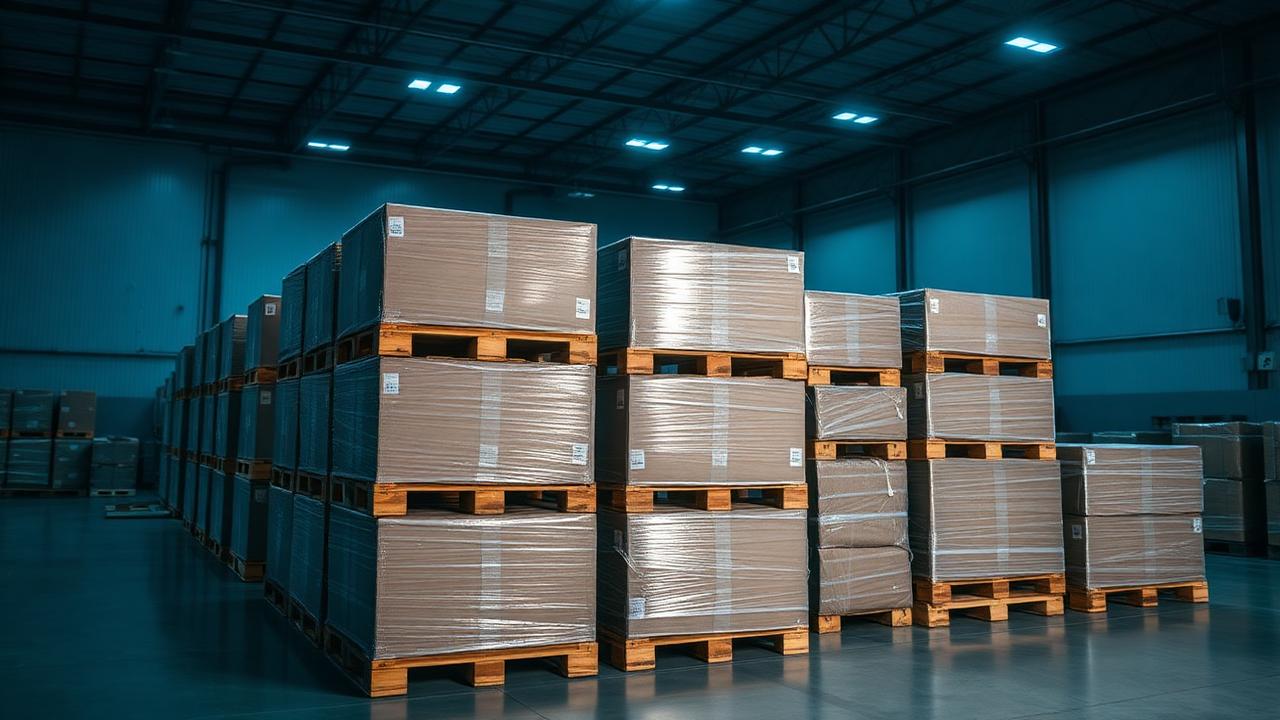
Three years ago, a 450-piece pallet of Target clothing landed on my driveway in Akron, Ohio. The invoice looked like a steal: $450 for the lot, working out to $1.00 per unit. I was convinced I was about to net three thousand dollars. Then the carrier dropped off the freight bill with a $75 liftgate charge and a $60 residential delivery accessorial fee, tacking on $280 in freight. By the time I unpacked four hundred pounds of unmanifested customer returns, eighty pieces had deodorant stains, twenty-five were missing buttons, and sixty were low-end fast fashion brands that cost more to list than they were worth on the open market.
Calculating profit margins on apparel liquidation pallets requires looking past MSRP stickers and gross listing values. If you do not account for sorting labor, unsellable scrap rates, and platform commission cuts, an apparel pallet will drain your bank account while eating your garage space.
Realistic Profit Margins on Apparel Liquidation Pallets
Let us talk about actual numbers. New sellers see a manifest claiming $10,000 in original retail value and assume a 50% payout. That is a quick way to lose money. According to our category recovery rates report, apparel consistently yields some of the lowest raw recovery percentages in the liquidation industry. Where tools yield 30-45% of original retail and consumer electronics hit 25-40%, soft goods usually settle around 8-15% of original sticker price.
Why are the numbers so compressed? Clothing is subject to extreme seasonal decay, size mismatch, and personal wear defects. When buying liquidation clothing, you need to understand standard liquidation grading terms. Grade A items are overstock or shelf pulls with original tags intact. Grade B lots include customer returns with minor cosmetic defects, missing tags, or tried-on wear. Grade C and D inventory means noticeable stains, torn seams, or missing hardware like zippers and buttons.
If your lot is a mixed Grade B/C customer return bundle, expect a 20-30% trash or scrap rate right out of the gate. That unit price of $1.50 per piece on paper instantly jumps to $2.15 per sellable garment once you throw away the stained tank tops.
The True Cost Structure: Freight, Fees, and Manifest Inflation
Sourcing lots on wholesale auction portals like B-Stock sounds simple until the freight bill arrives. Freight will crush your margins faster than bad inventory. Standard Less-Than-Truckload (LTL) freight runs between $0.80 and $2.50 per mile depending on the lane. But freight brokers tack on accessorial charges that kill smaller buyers.
If you do not have a commercial dock, you will pay $50-$100 for a residential delivery fee, $50-$75 for a liftgate service, and another $30-$60 if your location is tagged as limited access. Running those numbers through a shipping cost calculator before placing a bid is the difference between making a paycheck and working for free.
Then come marketplace take rates. If you sell on Poshmark, they take a flat 20% commission on sales over $15. Selling on eBay costs roughly 13.25% plus a $0.30 fixed fee per order, as outlined in the official eBay seller fee schedule. Plug these variable cuts into a marketplace fee calculator so you know your exact net revenue per unit before listing a single shirt.
Worked P&L: Testing Profit Margins on Apparel Liquidation Pallets
Let us walk through a real scenario on a 300-piece mixed clothing lot from a mid-tier department store distribution center.
Here are the upfront financial inputs:
- Pallet winning bid: $550.00
- LTL Freight (400 miles): $180.00
- Liftgate and residential accessorials: $110.00
- Total Landed Cost: $840.00 ($2.80 per raw piece)
Now let us break down the physical audit of the 300 units:
- 40 units (13.3%) are scrap (damaged, stained, unbranded base layers, or broken zippers). Resale value: $0.
- 160 units (53.3%) are mid-tier everyday brands (such as Levi's, GAP, or Champion). Average resale price: $14.00 each.
- 80 units (26.7%) are premium department store brands (such as Ralph Lauren, Free People, or Calvin Klein). Average resale price: $28.00 each.
- 20 units (6.7%) are multi-pack undershirts or accessories. Average resale price: $8.00 each.
Gross expected revenue across all 260 sellable units equals $4,640.00. That sounds great on paper. Now look at the actual math after marketplace fees, shipping costs absorbed on free shipping offers, and packing materials.
Using a standard pallet ROI calculator, here is how the balance sheet lands:
- Gross Sales Revenue: $4,640.00
- Average selling platform fee (16% blended across platforms): -$742.40
- Shipping label costs (average $5.50 across 260 orders): -$1,430.00
- Poly mailers and tissue paper ($0.30 per package): -$78.00
- Net Revenue after fulfillment: $2,389.60
- Less initial landed inventory cost: -$840.00
- Net Profit: $1,549.60
Your raw gross profit margin looks huge until you count labor hours. Processing 260 items (inspecting, steaming, measuring, photographing, drafting listings, and bagging) takes roughly 35 minutes per item for a solo operator. That is 151 hours of work. Dividing your $1,549.60 net profit by 151 hours equals an hourly wage of $10.26. Before placing a bid, test your numbers in a maximum bid calculator to make sure your bid ceiling protects your labor rate.
Comparing Sourcing Channels for Apparel
According to recent NRF returns research, retail returns account for hundreds of billions in displaced merchandise annually, with soft goods having the highest return rate of any retail category. Not all apparel sourcing streams yield the same net margins.
| Sourcing Stream | Average Cost per Unit | Defect / Scrap Rate | Resale Velocity | Realistic Net Margin |
|---|---|---|---|---|
| Department Store Shelf Pulls | $4.50 - $8.00 | 2% - 5% | Fast (15 - 30 days) | 25% - 35% |
| Big-Box Customer Returns | $1.50 - $3.50 | 20% - 35% | Moderate (30 - 60 days) | 12% - 22% |
| Fast Fashion Overstock | $0.75 - $1.75 | 5% - 10% | Slow (60 - 120 days) | 5% - 12% |
| Designer & Luxury Liquidation | $15.00 - $45.00 | 8% - 15% | Moderate (30 - 45 days) | 30% - 45% |
If you want high turnover, shelf pulls are worth the higher upfront cost. Customer return lots require heavy labor to prep, which drags down your real payout. Check a sell-through calculator to estimate how fast your capital cycles back into cash based on your average listing speed.
Where Apparel Pallet Reselling Goes Sideways
The primary death trap in liquidation clothing is unmanifested fast fashion. If you buy a pallet filled with unbranded Shein, Fashion Nova, or Forever 21 returns, your business model will collapse. Nobody buys used basic fast fashion tees on Poshmark for $12 when a brand new one costs $5 online. You cannot clear platform fee thresholds on $4 items.
Another point of failure is ignoring odor and micro-stains. Customer returns often carry perfume, smoke, or detergent smells that lead to buyer disputes and forced returns. A single return on eBay costs you double shipping.
When you get stuck with low-end items, offload them fast. Dump basic items in local bulk lots on Facebook Marketplace or list them on Vinted for quick cash-and-carry liquidation. Do not let dead inventory sit on your storage racks for six months. If you are stuck on whether a specific lot is worth bidding on, consult our comprehensive buying decision guide.
Understanding profit margins on apparel liquidation pallets comes down to discipline. Keep your purchase price low, account for every freight surcharge, and calculate your processing time before bidding.
What is a good profit margin on apparel liquidation pallets?
A realistic net profit margin after all freight, marketplace fees, shipping materials, and damaged items ranges between 15% and 30%. While your gross margin might look like 200% on paper, sorting labor and platform commissions eat a massive chunk of your final payout.
How do I handle unsellable or damaged clothes from a liquidation lot?
Never throw away garments without considering bulk offloading options. Sort damaged items into mystery bundles for crafters, sell them in bulk lots on local platforms, or donate them for a tax receipt if you operate an established business structure.
Is it better to sell liquidation clothing on eBay or Poshmark?
Poshmark works best for mid-to-high-tier branded women's clothing because buyers pay a flat shipping rate for up to five pounds. eBay is superior for men's apparel, vintage gear, shoes, and lower-priced single items due to lower base selling fees and higher search volume.
Pallet IQ Editorial Team
We buy, grade and resell liquidation pallets, then turn what we learn into the tools on Pallet IQ. Every guide here comes from real manifests, real bids and real sell through numbers.
Written October 13, 2026, last reviewed October 19, 2026