Pallets in Utah: Sourcing, Freight Math, and Real Margins
Sourcing liquidation pallets in Utah means navigating freight bottlenecks and local market dynamics. Here is the real math on margins, LTL freight, and finding profit along the Wasatch Front.
By Pallet IQ Editorial Team
Published · Updated
 Liquidation Buying Strategy
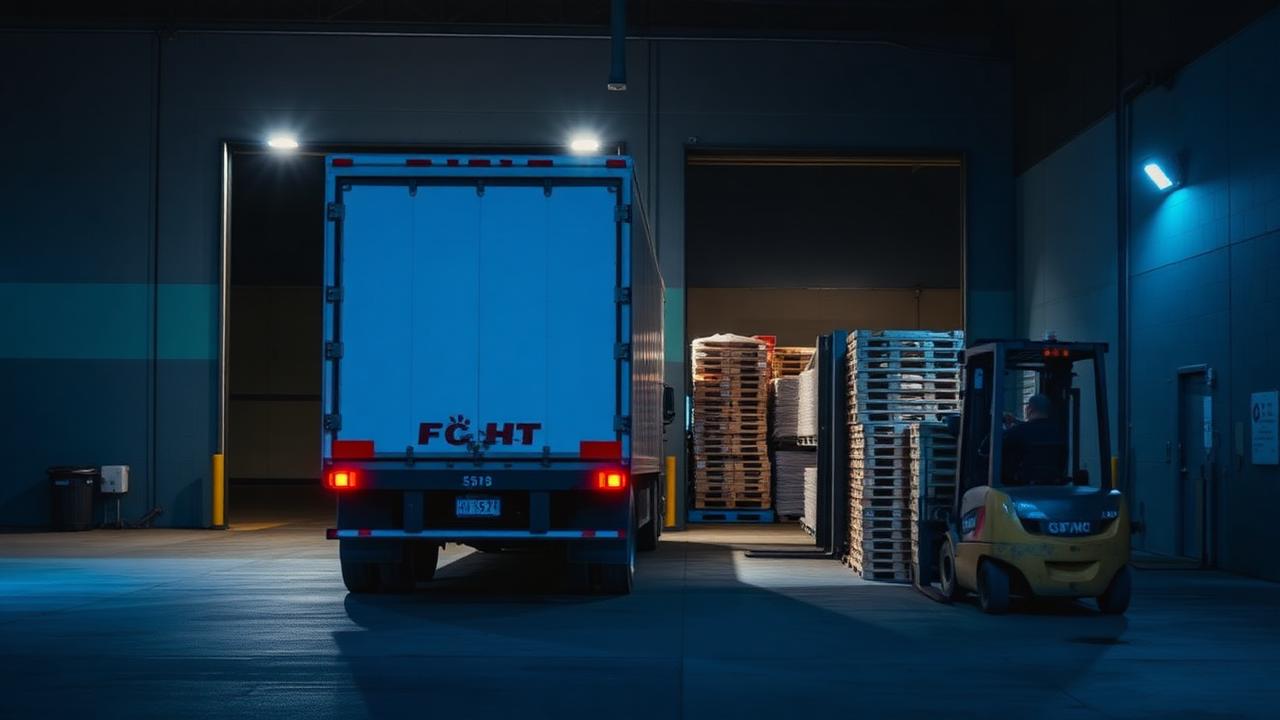
Two winters ago, I backed a 16-foot box truck into a cold loading dock off California Avenue in West Valley City to haul away three gaylords of mixed home goods. The manifest promised 85% A/B grade condition with working small appliances and clean housewares. When we cut the stretch wrap back at our shop, half the toaster boxes were crushed like accordions, and two unmanifested air purifiers were leaking oil directly into a pile of high-thread-count bedsheets. We still made cash on that lot, but only because we negotiated down the invoice before loading. If you are buying pallets in utah, you are balancing steady local consumer demand against tricky regional freight corridors.
The Wasatch Front is booming, but geography works against liquidators here. You sit right between major West Coast ports and Central distribution hubs. That means freight costs can swing violently depending on whether your truckload originates in Chino, California or Phoenix, Arizona. Buying liquidation inventory in Utah requires sharp math, quick processing, and realistic expectations about local buyer habits.
The Reality of Sourcing Pallets in Utah
Local sourcing feels convenient until you break down the actual unit economics. Most wholesale lots sitting in warehouses along the I-15 corridor did not start their journey in Utah. National retailers operate regional fulfillment centers in Salt Lake and Utah counties, but the bulk of processed returns still get routed through mega-hubs in California, Nevada, and Texas.
When you buy from local auction houses or middleman liquidators in West Valley, Ogden, or Provo, you are often buying inventory that has already been picked over. The seller brought in a full 26-pallet truckload from Southern California, pulled the high-margin electronics for their own store, and re-wrapped the remaining mixed home goods into individual lots.
If you choose to skip the middleman and order directly from national auction platforms like B-Stock auctions, you face a different problem: linehaul freight costs. Shipping two pallets across the desert from Los Angeles to Salt Lake City costs significantly more per unit than shipping those same pallets down the coast to San Diego.
Before placing bids on any lot, you need to understand exact condition classifications. Take a moment to review our liquidation glossary to make sure you know how liquidators distinguish between shelf pulls, overstock, customer returns, and salvage.
To help you decide where to direct your sourcing budget, here is how the primary sourcing channels compare for Utah resellers:
| Sourcing Channel | Freight Cost per Pallet | Processing Time | Average Gross Margin |
|---|---|---|---|
| Local Salt Lake Pickup | $0 - $50 (Self-haul) | 24 - 48 Hours | 15% - 25% |
| Regional Southwest LTL | $250 - $450 | 4 - 7 Days | 25% - 40% |
| Direct Retailer Truckloads | $80 - $140 | 5 - 9 Days | 30% - 50% |
Local pickup eliminates freight risk entirely, but you sacrifice gross margin because the local warehouse owner took their profit cut first. Regional Less-Than-Truckload (LTL) shipments hit the sweet spot for growing resellers who have space for three to six pallets but lack the cash flow or warehouse square footage for a full 53-foot trailer.
Calculating Real Margins on Pallets in Utah
To build a profitable resale operation in Utah, you must track every single dollar from the moment you win an auction to the moment the customer leaves with the item. Freight charges and platform selling fees strip away profit far faster than damaged product does.
Let's walk through a complete, real-world profit and loss statement for a 4-pallet lot of small kitchen appliances shipped from a fulfillment center in Moreno Valley, California to a commercial dock in Ogden.
Cost Basis Breakdown
- Winning Auction Bid (4 pallets, 120 total manifest units): $1,200.00
- Auction Marketplace Fee (10% buyer premium): $120.00
- LTL Linehaul Freight Charge: $620.00
- Liftgate Service Accessorial Fee: $65.00
- Commercial Delivery Surcharge: $45.00
- Total Landed Cost Basis: $2,050.00 ($17.08 per unit average)
Inventory Recovery and Resale Results
Out of 120 Manifested Units Processed:
- 72 units sorted as Grade A/B (fully functional, original packaging intact). Sold on e-commerce platforms at an average price of $42.00 per unit. Revenue: $3,024.00
- 24 units sorted as Grade C (cosmetic scuffs, missing manuals, open box). Sold locally via Facebook Marketplace and KSL Classifieds at an average price of $25.00 per unit. Revenue: $600.00
- 18 units sorted as Grade D (untested parts, damaged outer housing). Sold in bulk to a local repair technician at $5.00 per unit. Revenue: $90.00
- 6 units sorted as Scrap (burned out motors, complete loss). Revenue: $0.00
Total Gross Sales Revenue Generated: $3,714.00
Operating and Marketplace Expenses
- Online Selling Fees (average 13.25% plus $0.30 per transaction per the eBay seller fee schedule): $422.00
- Outbound Shipping Subsidies on Online Sales: $310.00
- Local Pickup Transaction Costs: $0.00
- Total Operating Expenses: $732.00
Final Cash P&L Summary
- Gross Resale Revenue: $3,714.00
- Less Selling & Platform Expenses: -$732.00
- Net Resale Revenue: $2,982.00
- Less Total Landed Cost Basis: -$2,050.00
- Net Net Profit Cash In Pocket: $932.00
- Total Return on Investment (ROI): 45.4%
In this scenario, the lot generated solid profit. But observe how freight and buyer fees added $850.00 to the original $1,200.00 bid price. If freight had spiked by another $300.00, or if 15 more units had been complete scrap, the deal would have slid dangerously close to breakeven.
Before committing your funds to any shipment, test your assumptions using a pallet ROI calculator. You can also run estimated carrier rates through our shipping cost calculator so you never get surprised by freight charges after winning a lot.
How Sourcing Goes Wrong in the Wasatch Front
The most common failure mode for resellers in Utah is miscalculating LTL shipping accessorials and dimensional weight charges. Freight carriers do not bill purely on dead weight. They bill on volume and location difficulty.
According to official FedEx Freight accessorial rules, if your drop-off location lacks a dedicated loading dock or forklift, you will incur a liftgate fee on every delivery. If your shop is located in a residential zone, rural county, or limited-access industrial park, the carrier adds extra surcharges that can add $150 to $250 to a single invoice.
Here are the specific ways Utah resellers destroy their margins:
- Buying heavy, low-value items like bulk liquid detergent, ceramic tiles, or cheap furniture from out-of-state hubs where freight costs exceed the total retail value of the product.
- Relying entirely on local classified platforms like KSL for high-ticket electronics without cross-listing on national marketplaces to reach higher price points.
- Failing to account for winter weather delays along the I-15 and I-80 corridors, which can freeze your working capital in stranded freight for over a week during major storms.
- Bidding blindly on unmanifested mystery pallets from local brokers who have already stripped the top tier items from the top of the gaylord.
When you examine complex manifests with hundreds of line items, avoid manually building spreadsheets. Run the manifest through an automated manifest analyzer to instantly filter out low-value items, calculate target yield, and highlight high-risk SKUs. If you are debating whether a specific inventory lot fits your business model, go step-by-step through our buying decision guide.
Where to Find Reliable Liquidation Options
To build a sustainable resale business along the Wasatch Front, prioritize inventory streams with high value-to-weight ratios. Compact electronics, small power tools, specialty sporting goods, and brand-name apparel pack high resale value into small footprints, allowing you to easily absorb regional linehaul freight costs.
For buyers who prefer inspecting merchandise in person or skipping freight fees altogether, review our curated directory of local pallet liquidators in Utah. Connecting with local suppliers gives you a steady stream of fast-turning inventory while you build up capital to buy direct truckloads.
Buying pallets in utah offers exceptional profit opportunities if you treat freight math as a priority, avoid mystery unmanifested junk, and cross-list your items across both local classifieds and national marketplaces. Keep your overhead disciplined, test your manifests before bidding, and lock in your margin before the truck ever leaves the warehouse dock.
Frequently Asked Questions
Where can I pick up liquidation pallets in Salt Lake City without paying freight?
You can find several established liquidation warehouses in West Valley City, South Salt Lake, and Ogden that offer dockside pickup for local buyers. Picking up inventory with your own truck or trailer eliminates $200 to $400 in LTL shipping charges per pallet, keeping your landed cost basis low.
How much should I bid on a customer returns pallet in Utah?
Aim for a max bid between 15% and 22% of estimated retail value (MSRP) for mixed customer return lots after factoring in freight costs. High-demand electronics can support bids up to 25% to 30% of MSRP, while apparel and low-cost goods should generally stay below 12% to 15%.
What tools do I need to receive LTL pallet deliveries at home?
If you are receiving shipments without a commercial loading dock or forklift, you must request liftgate service from the carrier. You will need a sturdy pallet jack, a utility knife, heavy-duty stretch wrap, and clear outdoor access for a 28-foot or 53-foot delivery trailer.
Pallet IQ Editorial Team
We buy, grade and resell liquidation pallets, then turn what we learn into the tools on Pallet IQ. Every guide here comes from real manifests, real bids and real sell through numbers.
Written September 2, 2026, last reviewed October 19, 2026