Pallets for Sale Port of Charleston: Sourcing Guide
Buying import overstock near Charleston port sounds lucrative until you land six pallets of unbranded silicone spatulas. Here is how we evaluate, bid on, and profit from these lots.
By Pallet IQ Editorial Team
Published · Updated
 Sourcing Strategy
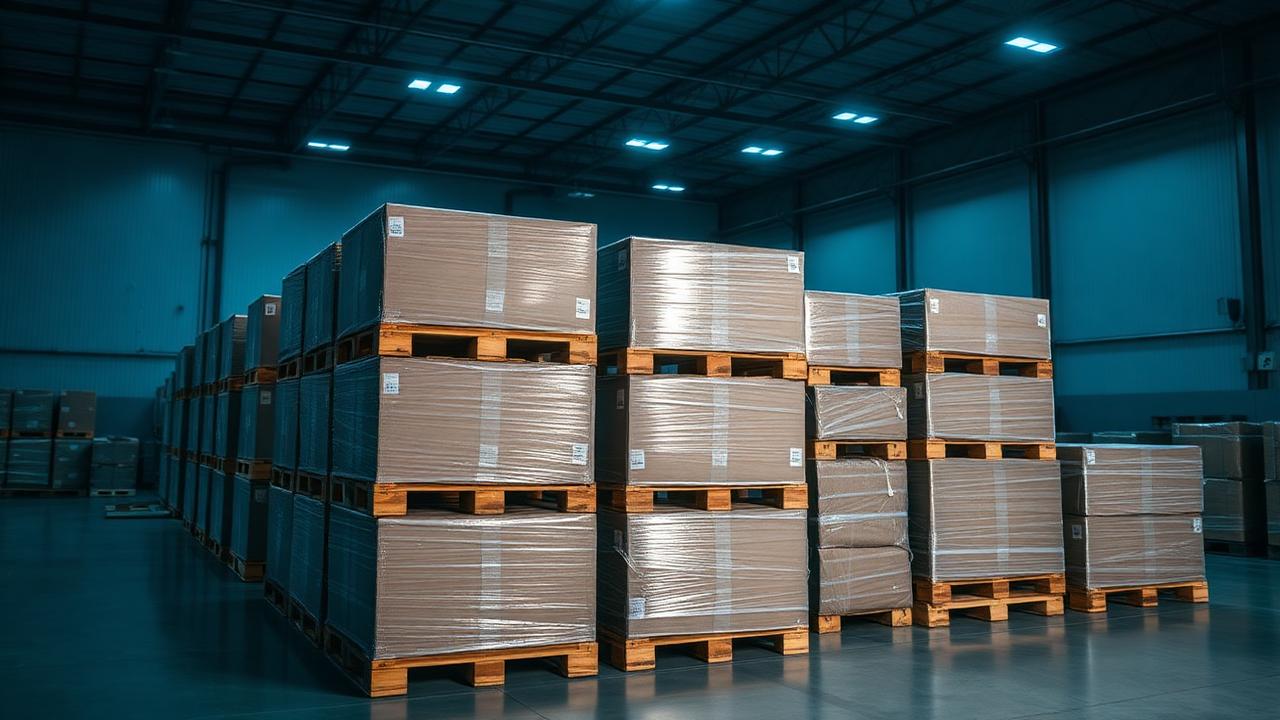
A flatbed dropped four pallets of ocean container overflow in our yard last spring, direct from a warehouse off I-526 near North Charleston. The manifest claimed $18,000 in retail value across 420 items. Half of it was unbranded home goods that sat on eBay for eight months while we paid storage on them. If you are searching for pallets for sale port of charleston, you need to know what you are actually buying before you wire cash to a logistics broker.
Port-adjacent liquidation is a different beast than buying customer returns from a local retail distribution center. Charleston is one of the busiest container ports on the East Coast, which means a steady stream of ocean freight abandoned by importers, custom holds cleared for liquidator auction, and warehouse overstock from nearby logistics hubs in Berkeley and Dorchester counties.
Evaluating Pallets for Sale Port of Charleston vs Retailer Returns
When ocean cargo sits at the terminal too long or an importer walks away from tariffs and demurrage fees, that inventory eventually lands on secondary platforms like B-Stock or Liquidation.com. Sometimes local brokers buy the whole ocean container, strip the floor-loaded cartons onto standard 48x40 wooden pallets, and flip them to regional resellers.
You must distinguish between import overstock and domestic store returns. Import overstock is usually brand-new, factory-sealed goods, but it carries high market saturation risk. If a container full of generic cordless vacuum accessories lands in South Carolina, ten other liquidators might be listing the exact same item on Amazon at the exact same time, driving prices down to zero.
Grade expectations vary wildly across these lots. Use this mental model when reviewing manifest grades:
- Grade A/B (Overstock/Shelf Pulls): Factory packaging, minor box damage, zero customer use. Resell value averages 30-50% of original MSRP depending on category.
- Grade C (Customer Returns): Opened, tested, or lightly used items. Parts might be missing.
- Grade D (Salvage): Raw returns, broken housing, heavy wear, or unsellable stock.
Your recovery rate depends entirely on the product category. According to our recovery rate report, general consumer electronics typically yield 25-40% of retail value, power tools and hardware recover 30-45%, while unbranded apparel drops to 8-15%. If someone offers you a port manifest filled with unbranded fast fashion, step away unless you are paying literally pennies on the dollar.
The Logistics Reality: Freight, Fees, and Accessorials
Sourcing near the Port of Charleston gives local buyers a massive shipping advantage if you can do regional yard pickups in a box truck or trailer. If you rely on LTL (Less-Than-Truckload) shipping, freight costs will quickly destroy your margins.
Carrier rates generally run between $0.80 and $2.50 per mile depending on fuel surcharges and lane density. You can estimate your delivery overhead with our shipping cost calculator. However, the base rate is rarely what shows up on your invoice. Carrier accessorial charges add up fast:
- Residential delivery fees: $50-$100 extra
- Liftgate service (if you lack a loading dock or forklift): $50-$75 extra
- Limited-access fees (storage facilities, farm sites, restricted industrial parks): $30-$60 extra
If you buy from major freight networks using FedEx Freight, always confirm whether the shipping quote includes these accessorials up front. Adding a $75 liftgate charge and a $60 limited access fee to a single $350 pallet kills your profit margin before you ever cut the stretch wrap.
Full P&L Example: Charleston General Merchandise Lot
Let us look at a real-world scenario. You purchase a 4-pallet lot of mixed home goods sourced from a port clearance warehouse in Mount Pleasant. The manifest shows 180 units with a total original retail price of $8,200.
Here is the exact cost and margin breakdown for this lot:
| Line Item | Cost / Revenue | Notes |
|---|---|---|
| Winning Bid | $1,050.00 | $262.50 per pallet |
| Local Freight / Haul | $180.00 | Short-haul box truck delivery from port warehouse |
| Liftgate Accessorial | $50.00 | Ground drop off at shop space |
| Total Landed Cost | $1,280.00 | Our true cost basis |
| Expected Gross Sales | $2,870.00 | 35% overall recovery on $8,200 retail value |
| eBay Seller Fees (~13.25% + $0.30/order) | $434.00 | Calculated across 150 sellable units |
| Shipping Outbound Subsidies | $220.00 | Estimated seller-paid shipping portion |
| Packaging Supplies | $60.00 | Boxes, tape, bubble wrap, labels |
| Net Profit | $876.00 | Gross Sales minus Landed Cost, Fees, and Supplies |
| Net ROI | 68.4% | Net Profit divided by Total Landed Cost |
A 68.4% return looks solid on paper, but calculate the labor required. If testing, wiping down, photographing, and listing those 150 sellable items takes 18 hours, your effective wage is under $49 per hour before overhead. To quickly run numbers like this before bidding, check our pallet ROI calculator to keep your expectations realistic.
Sourcing Channels Compared: Charleston Regional Area
Not all liquidations in coastal South Carolina are created equal. The table below compares the primary inventory sources near the port.
| Sourcing Type | Average Quality | Manifest Accuracy | Freight Overhead | Resale Speed |
|---|---|---|---|---|
| Port Import Abandonment | Brand new / Overstock | Poor to Moderate | Low (if local pick up) | Slow (unbranded generic) |
| Local Retailer RDC Returns | Mixed (A to D Grade) | High | Moderate | Fast (known brand names) |
| Secondary Wholesale Brokers | Graded / Sorted | Moderate | High | Medium |
Before committing capital to any of these, set your upper limit using our maximum bid calculator. Getting caught in a bidding war on an unmanifested lot is the fastest way to blow up your operating budget.
How to Bid on Pallets for Sale Port of Charleston
Winning profitable lots requires a disciplined system. Do not bid with your gut. Here is the framework we use when evaluating port clearance manifests:
- Import the raw manifest data into a manifest analyzer to strip out inflated MSRPs and flag dead stock.
- Filter out heavy, bulky items with low resale value where shipping costs will eat your entire margin.
- Cross-reference top-value items on eBay sold listings to establish realistic market prices rather than theoretical retail values.
- Deduct platform marketplace fees, credit card processing, and packaging expenses.
- Deduct your minimum required profit margin before determining your absolute cap bid.
If you are taking your first steps into commercial liquidation, read our complete buying decision guide to build a proper bidding strategy.
How This Goes Wrong: The Abandoned Container Trap
The biggest hazard with port-sourced liquidation inventory is unbranded import merchandise. When an overseas supplier ships 10,000 generic Bluetooth speakers to the Port of Charleston and the importer goes bankrupt before paying customs duties, those units end up on auction blocks.
They look great on a manifest because the seller assigns them a ridiculous $49.99 MSRP. But when you list them on online marketplaces, you quickly realize hundreds of overseas drop-shippers are selling the identical speaker for $8.99 with free shipping.
Another common pitfall involves moisture and maritime damage. Ocean containers sit on damp port docks for weeks during customs holds. We once bought a lot of boxed power tool accessories from a warehouse near the terminal, only to discover humidity had rusted the steel drill bits inside sealed plastic packaging. If you cannot inspect the lot in person or view high-resolution photographs showing ocean container seals, factor a 15% trash rate into your bidding math.
If you are sourcing locally, check our list of verified pallet liquidators by city to find reputable facilities with physical yard access.
FAQ
Can I pick up pallets directly from the Port of Charleston terminals?
No. Marine terminals like Wando Welch or Hugh K. Leatherman do not sell directly to the public or allow retail buyers onto the pier. Port liquidation inventory is handled by secondary logistics providers, customs brokers, and third-party warehouses located in nearby industrial corridors like North Charleston, Ladson, and Summerville.
What is the difference between custom clearance lots and store returns?
Custom clearance lots generally consist of factory-new overstock or abandoned import shipments that never reached store shelves. Store returns come directly from retail distribution centers and include customer-returned items, shelf pulls, and damaged packages with varying functional grades.
How do I verify the value of an unmanifested container lot?
Never rely on seller-provided estimates for unmanifested lots. Assume the lowest recovery tier, inspect physical photos for recognizable brand logos, and calculate your bid based solely on the bulk scrap or flea market value of the visible boxes.
Final Thoughts on Sourcing Charleston Port Lots
Finding profitable pallets for sale port of charleston comes down to knowing the difference between name-brand retail returns and unbranded ocean surplus. If you stick to verified manifests, account for every freight accessorial, and keep your bid strict, coastal South Carolina is a great territory to grow a resale business.
Pallet IQ Editorial Team
We buy, grade and resell liquidation pallets, then turn what we learn into the tools on Pallet IQ. Every guide here comes from real manifests, real bids and real sell through numbers.
Written September 29, 2026, last reviewed October 19, 2026