How to Sell Pallets on Facebook Marketplace for Profit
Tired of packing dozens of small shipping boxes? Here is how to buy liquidation lots and flip intact or sub-split pallets on Facebook Marketplace for quick local cash.
By Pallet IQ Editorial Team
Published · Updated
 Local Reselling
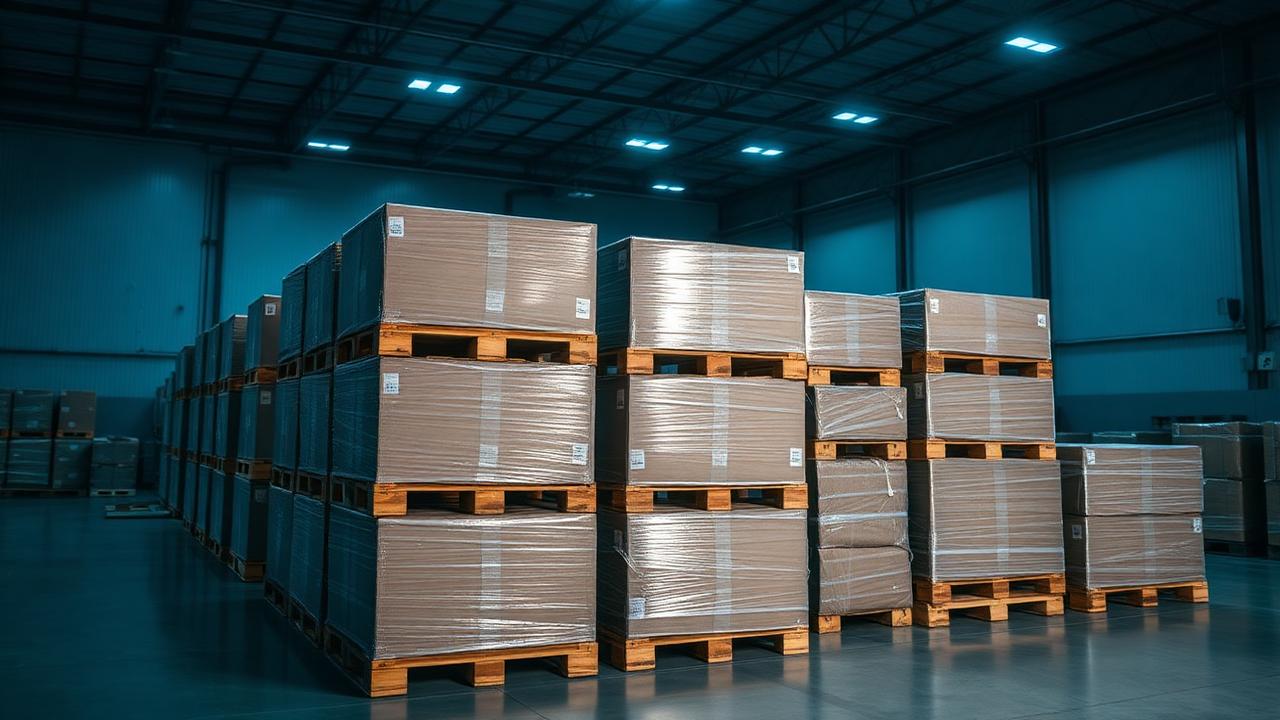
In March, a guy in a rusted F-150 pulled into my driveway to pick up a 42-inch pallet of Target home goods. I bought the lot for $420 plus $165 in LTL freight. He handed me seven crisp hundred-dollar bills, backed his truck up to my garage, and rolled the skid up his ramps. Total transaction time: eight minutes. No bubble wrap, no USPS shipping labels, no 13.25% eBay fee eating my margin. That was my first real lesson in how to sell pallets on facebook marketplace without spending forty hours testing blenders.
Most reselling advice pushes you into a grueling workflow: inspect every box, test every cord, photograph five angles, write a description, and deal with post-office drop-offs. If you are flipping high-margin electronics, that effort makes sense. But if you have garage space or a small warehouse, selling full or partial pallets directly to local buyers on Facebook Marketplace shifts your whole business model. You trade maximum theoretical gross profit for high velocity and instant cash.
Two Strategies for Local Pallet Flipping
When you unload a liquidation lot, you have two primary ways to move it through local buyers.
The first method is intact pallet flipping. You buy a manifested or unmanifested skid from a liquidator, leave it strapped or partially wrapped, and list the entire lot as a single item. Your buyers are flea market vendors, bin store owners, side-hustlers, or eBay sellers who want inventory but lack the capital or dock space to buy direct from major liquidators.
The second method is the split-lot or sub-pallet approach. Here, you break open a 100-unit lot, take out the top 5% highest-value items to sell individually online, and package the remaining 95% into two smaller bulk lots. You might put 30 small kitchen appliances on one skid for $300 and 40 bedding sets on another for $250.
Both methods eliminate outbound shipping costs. When freight rates run between $0.80 and $2.50 per mile, plus $50 for a liftgate and $50 for residential delivery, avoiding outbound freight on heavy goods keeps your profit in your pocket.
Master the Mechanics of How to Sell Pallets on Facebook Marketplace
Selling a single shirt on Facebook Marketplace is easy. Selling a 400-pound stack of mixed merchandise takes strict operational boundaries. If you do not control the process, you will waste hours responding to lowballers and tire-kickers who ask if the item is available and then vanish.
First, ditch stock images. Nothing triggers buyer suspicion on Facebook faster than a pristine manufacturer render on a listing for a liquidation lot. Local buyers want raw, real-world proof. Take four clear photos: one full-length shot of the pallet on your garage floor or driveway, two close-ups showing brand labels peeking through the stretch wrap, and one clear picture of the paper manifest or box count tag.
Second, write non-negotiable pickup terms inside your listing description. Specify that pickups require a truck, trailer, or van, and state clearly that you do not provide loading labor unless they pay a loading fee. Specify cash or Zelle at pickup. Holds should only be granted if the buyer sends a non-refundable 20% deposit via Venmo or Cash App.
Third, be transparent about grades. Liquidation lots are typically graded from A to D:
- Grade A/B: Customer returns or overstock in original retail boxes, often like-new or light cosmetic wear.
- Grade C: Heavy cosmetic damage, missing parts, or uninspected returns.
- Grade D: Salvage, raw unsorted store returns, or broken items meant for parts.
If you are selling a Grade C lot on Facebook, label it clearly as uninspected returns sold as-is. If you try to pass off salvage as high-grade overstock, your seller account ratings will tank, and local Facebook groups will roast your profile within a week.
A Real-World P&L on a Target Mixed-Merchandise Lot
To understand why this model works, look at the math from a real 48-unit home goods lot sourced out of a Georgia regional distribution center.
Here is the exact cost basis and cash flow breakdown for that run:
Expenses
- Pallet Purchase Price (48 units, Target returns): $420.00
- LTL Freight Charges: $115.00
- Liftgate Accessorial Fee: $50.00
- Residential Delivery Fee: $40.00
- Total Landed Cost Basis: $625.00
Revenue Realized
- Sub-Pallet A (20 Kitchen Items sold as bulk local lot): $380.00 cash
- Sub-Pallet B (20 Home Decor Items sold as bulk local lot): $290.00 cash
- Item 1 (Single sale: DeLonghi Espresso Machine, tested working): $120.00 cash
- Item 2 (Single sale: Ninja Air Fryer, open box clean): $55.00 cash
- Remaining 6 items (Damaged packaging, missing parts, discarded): $0.00
- Total Gross Revenue: $845.00
Net Results
- Facebook Marketplace Sales Fees: $0.00 (All local cash pickups)
- Net Cash Profit: $220.00
- Total Time Spent: 3 hours (unloading, taking photos, posting, 2 pickup meetings)
- Effective Hourly Rate: $73.33 per hour
Compare that outcome to breaking down all 48 units. Testing, cleaning, listing, packing, and shipping 48 individual items on eBay takes roughly 14 hours of work. After paying eBay's 13.25% plus $0.30 fee per item (around $110 total) and covering return requests on broken goods, your net profit might reach $310. You would spend 11 additional hours of hard labor just to make an extra $90.
Comparing Local Facebook Pallet Flipping to Traditional Reselling
| Resale Model | Gross Profit Margin | Labor Hours Per Pallet | Platform Fee Burden | Outbound Shipping Risk | Cash Velocity |
|---|---|---|---|---|---|
| Whole Pallet Local Pickups | 25% - 35% | 1 - 3 hours | 0% (Local Cash) | Zero | Immediate (1-3 days) |
| Sub-Lot Local Bundles | 35% - 50% | 3 - 5 hours | 0% (Local Cash) | Zero | Fast (3-7 days) |
| Individual Item eBay Flipping | 50% - 70% | 12 - 18 hours | 13.25% + $0.30/item | High (damage/returns) | Slow (2-4 weeks) |
| Flea Market Booth Sales | 30% - 45% | 10 - 15 hours | Booth fees ($30-$100/day) | Medium (transport risk) | Weekend bursts |
Proven Listing Rules for How to Sell Pallets on Facebook Marketplace
When structuring your local listings, follow a few rules to protect your profit and sanity:
- Calculate break-even before listing: Run the itemized manifest through a manifest analysis tool like PalletIQ to spot high-value anchors before setting your whole-pallet asking price. If two items account for 60% of the MSRP value, pull them out and sell the rest as a discounted bulk load.
- Set price anchors: State the original estimated retail value (MSRP) in the title or first line of the description. A title like "40-Unit Target Home Goods Pallet - $2,100 Retail Value for $450" sets an immediate expectation of wholesale margin for your buyer.
- Require immediate pickup commitments: Never hold a pallet for three days because someone promises they are coming on Saturday. Demand pickups within 24 hours or require a deposit.
- Block persistent time-wasters: If a user asks three questions already answered in your description, block them immediately. High-volume local reselling depends on dealing with professional buyers, not casual window shoppers.
How This Goes Wrong: The C-Grade Trap and Local Flakers
The quickest way to burn capital in this business is misjudging item grades and buyer behavior.
The first failure mode is buying raw C-grade or D-grade customer returns and trying to sell them intact to local buyers who expect retail-ready goods. If a flea market seller buys a $400 pallet from you and finds that 15 out of 25 small appliances have cut cords or smashed housings, they will demand refunds and leave negative reviews on your Facebook seller profile. Once your marketplace rating drops below 4 stars, your listing reach plummets. Only sell raw, unsorted salvage to buyers who explicitly sign off on buying salvage.
The second failure mode is underestimating logistics. If you buy three pallets without a pallet jack, a forklift, or a paved flat surface, you will be stuck unloading 150 individual boxes off a freight truck by hand in the rain. Freight drivers operate on tight schedules. If you take more than 30 minutes to offload a truck because you lack equipment, freight carriers will charge detention fees ranging from $50 to $150 per hour.
Finally, guard against the parking lot flaker. If you agree to meet a buyer at a neutral parking lot with a pallet loaded in your pickup truck, confirm their departure before you leave your driveway. Driving 20 miles with a heavy payload only to sit in a gas station parking lot for an hour while a buyer ghost-reads your messages is an expensive mistake.
Knowing how to sell pallets on facebook marketplace effectively comes down to establishing firm systems: price fair, communicate terms aggressively, and move inventory fast so you can roll capital into the next load.
Do I need a commercial loading dock to sell pallets on Facebook Marketplace?
No. Many local sellers operate entirely out of a home garage or driveway. However, you must ensure your freight shipments include liftgate service when ordering from liquidators, and you need a flat, paved surface and a standard 5,500-lb hand pallet jack to move skids safely.
Should I sell pallets whole or split them into smaller bundles?
If you want the fastest cash turnaround with minimal labor, sell whole pallets at 20-30% of MSRP. If you want higher margins, pull out the top two or three most valuable items to list individually online, then sell the remaining 90% of the pallet contents as a local bulk sub-lot on Facebook Marketplace.
What is the best payment method for local Facebook Marketplace pallet sales?
Cash in hand is always the safest option for local pickups. If a buyer prefers digital payment, accept Zelle or Venmo in person at the exact moment of pickup before loading the pallet into their vehicle. Avoid accepting checks, wire transfers, or advance app payments from unverified buyers.
Pallet IQ Editorial Team
We buy, grade and resell liquidation pallets, then turn what we learn into the tools on Pallet IQ. Every guide here comes from real manifests, real bids and real sell through numbers.
Written August 6, 2026, last reviewed October 19, 2026