How to Resell Grocery Liquidation Pallets for Profit
Grocery salvage isn't pretty. Between dented soup cans, short dates, and heavy freight charges, flipping food requires a totally different playbook than electronics.
By Pallet IQ Editorial Team
Published · Updated
 Sourcing Strategy
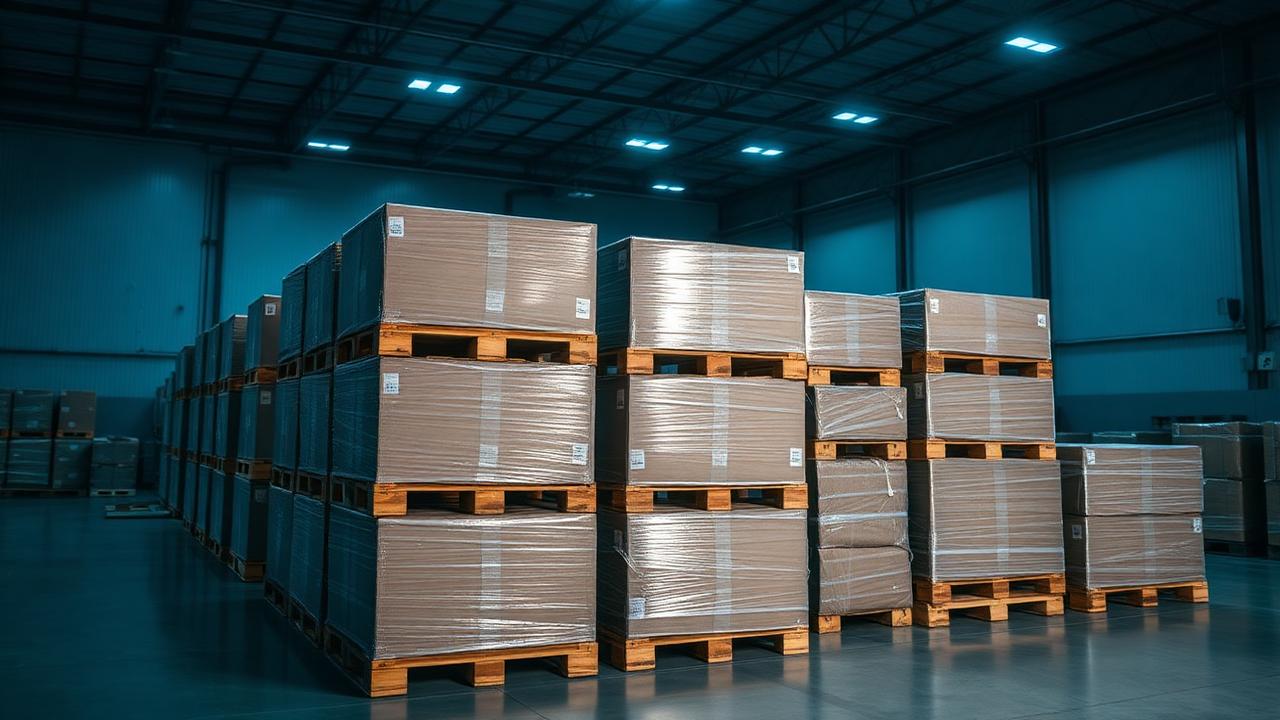
We once sat in an unheated warehouse staring at three pallets of organic pumpkin puree in late April. The lot came out of a regional distribution center in Ohio, listed as clean overstock. What the manifest hid was the packaging: every single case was pre-printed with autumn holiday branding, and the Best By date was six weeks away. We paid $380 for the lot and $410 for LTL freight. We ended up dumping half of it behind a local discount store just to clear space for a incoming shipment of tools.
That loss burned. But it taught us the core rule of food salvage. Learning how to resell grocery liquidation pallets isn't about finding high MSRP numbers on a spreadsheet. It is about understanding velocity, expiration math, and heavy freight physics. Food does not sit on a shelf for six months waiting for the right buyer. If you move slow, you burn cash.
Grocery liquidation operates on razor-thin margins and massive volume. While consumer electronics might yield a 30% recovery rate on retail value, food salvage often buys in at 5% to 12% of MSRP and recovers 20% to 35%. The money is there, but only if you know how to process it before the clock runs out.
The Four Types of Grocery Salvage Lots
Before you place a bid on a platform like B-Stock, BULQ, or direct from a regional distributor, you have to know what you are looking at. Retailers dump food inventory for four specific reasons.
- Short-dated or near-dated goods: Products within 30 to 90 days of their labeled date. These are usually the cleanest inventory, requiring minimal cleaning or sorting.
- Dented and damaged cases: Known in the trade as scratch and dent. Cases dropped by forklift drivers or crushed in transit. You will lose 10% to 15% of the product to actual breakage.
- Seasonal and discontinued overstock: Holiday packaging, limited-edition flavors, or old box designs after a brand refresh. High volume, zero physical damage.
- Salvage pulls: Store-level returns and shelf pulls. This is the wild west. Expect loose items, mixed categories, and a higher percentage of unsellable trash.
Avoid unmanifested salvage pulls when starting out. Stick to manifested short-dated lots or seasonal overstock from major grocery chains or distributor cleanouts. Unmanifested food lots sound cheap until you spend twelve hours sorting smashed salad dressing bottles out of cardboard boxes.
Evaluating Lots: How to Resell Grocery Liquidation Pallets Without Buying Garbage
When reviewing a manifest, ignore the total retail value column. A manifest claiming $12,000 in retail value means nothing if $8,000 of it is premium gluten-free baking flour expiring in eleven days.
Instead, filter the manifest by item weight, brand tier, and date status. High-protein snacks, brand-name energy drinks, bulk coffee, and national-brand cleaning products hold value better than obscure organic condiments. People always buy brand-name coffee and laundry pods at a discount.
Pay close attention to dates. There is a legal and practical difference between Best By dates and Expiration dates. In the United States (excluding infant formula), Best By dates indicate peak quality, not food safety. You can legally resell products past their Best By date in most states, provided the package is intact and wholesome. However, marketplace policies vary. eBay allows food sales if the item is shipped before the expiration date, while Amazon gating for grocery requires strict date buffers, often requiring 105 days of shelf life remaining upon arrival at the fulfillment center.
Never buy glass-heavy lots unless they ship on dedicated pallets with shrink-wrap integrity intact. One broken jar of marinara sauce on top of a pallet will seep down through twelve cases below it, ruining hundreds of dollars of dry goods in hot transit.
Sales Channels Compared
Where you sell determines your margins. You cannot flip single cans of soup on eBay; the shipping cost wipes out any profit instantly. You need local channels for heavy, low-value goods and online bundles for light, high-margin items.
| Channel | Ideal Product Type | Speed of Turnover | Gross Margin Potential | Workload / Effort |
|---|---|---|---|---|
| Local Flea Market / Cash Sales | Heavy goods, dented cans, near-dated sodas | Fast (1-3 days) | Low (20% - 35%) | High physical labor |
| Local Discount Grocery Store | Full pallet cases, clean short-dated overstock | Very Fast (1 day) | Medium (30% - 40%) | Low (Wholesale flip) |
| eBay / Mercari Multi-Packs | K-Cups, specialty snacks, high-end energy drinks | Medium (1-3 weeks) | High (50% - 100%+) | High packaging effort |
| Bin Store / Local Warehouse Sale | Loose items, mixed salvage pulls, seasonal candy | Fast (Weekend events) | Medium (40% - 60%) | Medium sorting |
If you have a physical location or a strong local network, bulk wholesale flips offer the fastest return. Selling an entire pallet of coffee to a local mom-and-pop corner store for a $200 quick profit beats packing 80 individual shipping boxes yourself.
Step-by-Step Breakdown: How to Resell Grocery Liquidation Pallets for Margin
Let's walk through a realistic financial breakdown on a 4-pallet mixed grocery lot. This lot comes from a midwest retail distribution center, listed as short-dated and box-damage overstock.
Purchase and Freight Realities
Grocery pallets are dense. A single pallet of canned goods or beverages can easily weigh 1,800 pounds. Four pallets can quickly hit 6,000 pounds, driving up LTL (Less-Than-Truckload) freight rates fast.
- Manifest Retail Value (MSRP): $5,400
- Winning Bid: $420
- LTL Freight ($1.40/mile, 350 miles): $490
- Liftgate Accessorial Fee: $65
- Residential Delivery Fee: $50
- Total Cost Basis: $1,025
Your actual landed cost per pallet is $256.25. If the total unit count on the manifest is 1,200 items, your cost per unit lands at roughly $0.85.
The Sorting and Yield Process
When the freight truck drops the pallets, sort immediately. Category-sort every unit into three buckets: Prime Online Sales, Local Cash Sales, and Trash.
- Bucket A (Prime Online): 300 units of brand-name specialty coffee pods and protein powders. Perfect for eBay 3-packs.
- Bucket B (Local Cash): 750 units of boxed cereals, canned soups, and snack bars near their Best By date.
- Bucket C (Loss / Trash): 150 units crushed, leaking, or completely past reasonable usability (12.5% dump rate).
The Revenue Realization
- Prime Online Sales (eBay Bundles): We take the 300 coffee pod boxes and create 50 6-pack bundles listed at $32 per bundle with free shipping.
- Gross Sales: 50 bundles x $32 = $1,600
- Shipping Costs (USPS Ground Advantage): 50 x $6.50 = $325
- Marketplace Fees (eBay ~13.25% + $0.30/order): $227
- Net Revenue from Online: $1,048
- Local Cash Sales (Flea Market / Direct Wholesale): We take the 750 units of dry snacks and cereals to a local weekend market, priced flat at $1.50 each or 4 for $5.
- Gross Sales: 750 units @ ~$1.25 average yield = $937.50
- Booth Fee / Cash Handling: $40
- Net Revenue from Local: $897.50
- Dumped Inventory:
- 150 units = $0 revenue.
Total P&L Calculation
- Total Gross Revenue: $2,537.50
- Total Expenses (Landed Purchase Cost $1,025 + Shipping/Fees $592 + Booth $40): $1,657.00
- Net Cash Profit: $880.50
- Return on Investment (ROI): 85.9%
Notice how freight and marketplace fees consumed $1,170, more than double the purchase price of the actual lot. If you do not calculate freight and selling costs before bidding, grocery inventory will sink your business.
Where Grocery Reselling Goes Wrong
The quickest way to blow up your margins in grocery liquidation is ignoring climate and transit times. Shipping chocolate or soft gummy candies across the country in non-refrigerated dry vans between May and September turns your investment into liquid sludge. Always demand heat-sensitive holds or completely avoid meltables in summer months.
Another trap is misjudging processing labor. Sorting through a gaylord (a giant corrugated box sitting on a wooden pallet) containing 1,000 loose, dented cans takes hours. If you spend four hours wiping down sticky syrup bottles to make $40 in profit, you are working for below minimum wage.
To keep processing fast, use a manifest analysis tool like Pallet IQ to quickly flag high-value product clusters before bidding, so you know exactly which pallets justify your labor hours.
Finally, check your local health regulations. Certain jurisdictions require salvage distribution permits or specific licensing if you open cases to sell individual units locally. Keep your storage area clean, dry, off the floor, and free of pests. A visit from a city health inspector can close down an unmanaged warehouse space overnight.
Can you legally sell expired food from liquidation pallets?
Federal law allows the sale of food past its Best By or Used By date, provided the product is still safe and wholesome, with the strict exception of infant formula. However, local state laws and individual marketplace platforms like Amazon or eBay set their own strict policy limits. Always verify date rules on your specific platform before listing.
How do you handle freight costs on heavy grocery lots?
Keep freight costs manageable by bidding on regional distribution hubs within a 300-mile radius of your location. If buying through LTL, consolidate shipments or arrange terminal pickup at the carrier's local dock to eliminate expensive residential ($50+) and liftgate ($50-$75) accessorial fees.
What is a normal trash rate when buying grocery salvage?
Expect a 10% to 15% loss rate on general grocery salvage lots due to crushed cartons, leaking packaging, or expired products. Factor this loss directly into your cost-per-unit math before placing a bid.
Pallet IQ Editorial Team
We buy, grade and resell liquidation pallets, then turn what we learn into the tools on Pallet IQ. Every guide here comes from real manifests, real bids and real sell through numbers.
Written August 22, 2026, last reviewed October 19, 2026