How to Resell Direct Liquidation Pallets for Profit
Buying direct from retailer liquidations sounds like an easy payday until you get hit with a $150 liftgate fee and a box full of shattered air fryers. Here is how we make it pay off.
By Pallet IQ Editorial Team
Published · Updated
 Pallet Reselling Strategies
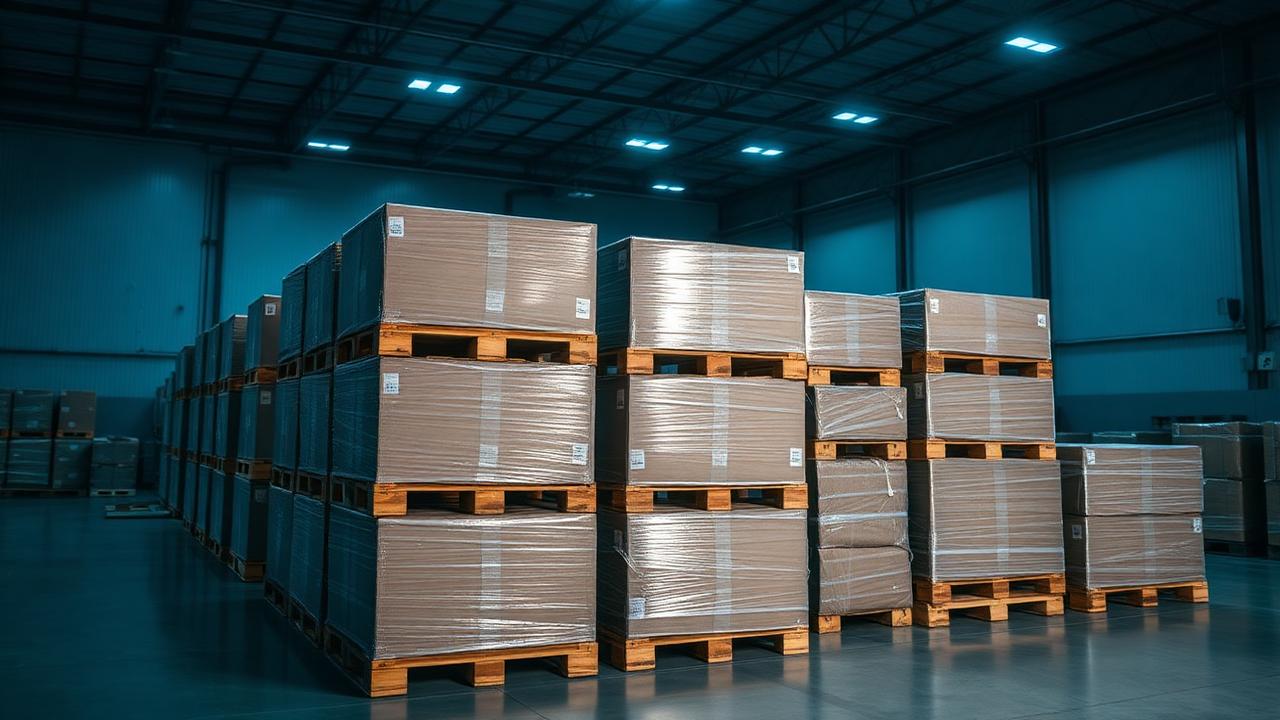
Three months ago, a pallet arrived at our shop out of a Target Regional Distribution Center (RDC) in Chambersburg, Pennsylvania. On paper, it was a high-value customer return lot: Ninja blenders, Dyson vacs, and Keurig coffeemakers. Manifest value: $4,200. Hammer price: $620. We felt like geniuses until the freight driver asked if we had a loading dock. We didn't. That single oversight triggered a $75 liftgate charge and a $50 residential delivery accessorial fee, instantly eating a quarter of our expected margin before we even cut the shrink wrap.
If you are trying to learn how to resell direct liquidation pallets, you need to strip away the YouTube fantasy. Direct liquidation simply means buying truckloads or single pallets directly from big-box retailers, think Target, Home Depot, Wayfair, or Amazon, via their official liquidation portals rather than third-party middleman brokers. It offers cleaner inventory and lower wholesale prices, but it also throws all the risk squarely on your shoulders.
Direct Retailer Portals versus Middleman Liquidation Brokers
Buying direct cuts out the broker's markup. When you buy from a middleman broker, that broker bought a full truckload from the retailer, kept the top 20% highest-value items to sell on eBay themselves, and re-manifested the rest for small buyers.
Direct accounts on platforms like B-Stock Solutions or retailer-owned portals let you bid directly on raw customer returns and shelf pull lots coming straight out of the facility. You get lower acquisition costs, but you take on raw, unvetted risk.
Here is how direct sourcing stacks up against middleman brokers:
| Sourcing Channel | Average Cost (% of Retail) | Inventory Quality | Shipping Control | Typical Lot Size |
|---|---|---|---|---|
| Direct Retailer Portal | 7% - 15% | Raw / Unfiltered | Buyer arranged / Variable | Single Pallet to Truckload |
| Broker / Wholesaler | 18% - 35% | Filtered / Cherry-picked | Fixed rate per pallet | Single Pallet / Boxes |
| Regional Liquidator | 15% - 25% | Mixed / Unmanifested | Local pickup available | Pallet / Gaylord |
Understanding Return Grades and Realistic Category Recovery Rates
You cannot price a lot based on MSRP (Manufacturer's Suggested Retail Price). MSRP is a fairy tale told by marketing departments. What matters is your recovery rate, the actual dollar percentage of original retail value you pocket after testing, cleaning, and selling the item.
Liquidation inventory breaks down into four primary condition grades:
- A Grade (Overstock / Shelf Pulls): Unopened boxes, clean packaging, full working condition. Expect 40% to 60% recovery.
- B Grade (Open Box): Returned goods with damaged packaging or light cosmetics, but complete accessories. Expect 25% to 40% recovery.
- C Grade (Customer Returns): Used, missing cables, cosmetically damaged, or lightly defective. Expect 15% to 25% recovery.
- D Grade (Salvage / Store Returns): Heavily broken, incomplete, or hazardous items. Expect 0% to 10% recovery (mostly scrap or parts).
Category matters as much as condition grade. Power tools enjoy high demand and hold value well; tools typically hit 30-45% recovery rates even in heavily used condition because contractors buy spare batteries and bodies for parts. Consumer electronics run hotter but carry massive return rates; expect 25-40% recovery on electronics once you factor in dead circuit boards and locked iCloud devices. Apparel is a meat grinder. Between sizing issues, stain damage, and outdated seasonal trends, apparel yields just 8-15% recovery unless you are selling high-end designer coats.
The Real Numbers: A Direct Liquidation P&L Breakdown
Let us look at a real-world financial breakdown for a single mixed small-appliance pallet won through a direct retailer auction out of a Georgia facility.
Lot Details
- 32-unit mixed small-appliance lot (Ninja, Instant Pot, DeLonghi)
- Total Manifest Retail Value: $3,800
- Grade: B/C Mixed Customer Returns
Expenses
- Winning Auction Bid: $410.00
- Buyer's Premium (10%): $41.00
- LTL Freight ($1.60/mile across 450 miles): $720.00
- Residential Delivery Accessorial: $65.00
- Liftgate Service Accessorial: $55.00
- Marketplace Selling Fees (~13.25% eBay average + $0.30 per order): $162.00
- Inbound Packaging & Cleaning Supplies: $35.00
- Total Cost Basis: $1,488.00
Resale Revenue (Realistic Expectation)
- 8 units in clean, like-new open-box condition sold at 50% MSRP: $950.00
- 14 units fully functional with cosmetic flaws sold at 35% MSRP: $780.00
- 5 units sold as "parts only / repair" at 15% MSRP: $140.00
- 5 units completely unsellable / scrapped: $0.00
- Gross Resale Revenue: $1,870.00
Net Result
- Gross Revenue ($1,870.00) minus Total Expenses ($1,488.00) = $382.00 Net Profit
- Margin on Gross: 20.4%
- Return on Investment (ROI): 25.6%
Notice how freight destroyed the margin. Shipping cost more than the pallet itself. If we had picked up this pallet ourselves or consolidated it onto a full truckload where freight drops to $0.80 per mile per pallet equivalent, net profit would have nearly doubled to $800+.
How to Resell Direct Liquidation Pallets Step-by-Step
When learning how to resell direct liquidation pallets profitably, success boils down to process and discipline. You cannot treat this like a casual thrift store hobby.
1. Audit the Manifest Before Bidding
Never bid on an unmanifested customer return lot unless the purchase price is near scrap value. Run every single SKU on the manifest through an eBay sold-listings search or a manifest analysis tool like PalletIQ to calculate realistic yield. Check the percentage of high-value items versus low-dollar filler. A manifest with two $1,000 items and thirty $10 items is risky; if those top two items are broken, your entire pallet goes into the red.
2. Calculate Your Max Bid with Freight Included
Before clicking bid, contact a freight broker or use the auction platform's shipping calculator. Calculate your Less-Than-Truckload (LTL freight) costs, including all accessorials, extra charges added by freight carriers for non-standard delivery services like liftgates, residential drops ($50-$100), or limited-access ($30-$60) locations like farm houses or storage units. Set your maximum bid so that total land cost never exceeds 20% of realistic expected gross sales.
3. Manifest Triage and Testing
Once the shrink wrap comes off, sort inventory immediately into three piles:
- Fast Cash (List Today): Complete items needing zero cleanup.
- Test & Clean (List This Week): Items requiring testing, sanitation, or basic cord replacements.
- Scrap / Parts (List in Lots): Broken items grouped into repair lots for tinkerers.
4. Cross-List Across Platforms Based on Category
Match inventory to the right marketplace fee structure:
- eBay: Takes roughly 13.25% + $0.30 per transaction. Best for high-value electronics, parts, and compact tools.
- Amazon FBM/FBA: Takes ~15%. Ideal for clean, brand-new overstock items with existing ASINs.
- Mercari: Takes 10%. Great for lightweight clothing, mid-tier home goods, and small gadgets.
- Facebook Marketplace: Takes 5% (or 0% for local cash pickup). Perfect for bulky items, furniture, or heavy lawn equipment where shipping would erase profit.
How to Resell Direct Liquidation Pallets: Common Pitfalls
The fastest way to burn out in direct liquidation is suffering from manifest drift combined with unexpected freight accessorials.
Manifest drift occurs when the physical inventory on the pallet does not match the manifest provided by the distribution center. A manifest might list a working commercial coffee maker, but you unwrap a missing box containing a brick wrapped in bubble wrap. Retail returns facilities handle tens of thousands of pallets daily; tired workers misread SKUs or lump completely different return lots together.
If you buy from direct portals, you usually have a narrow window, often 5 business days from delivery, to file a claim for manifest discrepancies exceeding a set threshold (usually 10% of lot value). If you leave pallets sitting in your garage wrapped up for two weeks before inspecting them, you lose all dispute rights.
The second trap is freight billing adjustments. LTL carriers re-weigh and re-measure pallets at their hubs using automated laser scanners. If your listing states a pallet weighs 350 lbs at 48 inches high, but the carrier measures it at 410 lbs and 52 inches because a box popped out the side, they will slap a $120 re-class fee on your shipping invoice three weeks later.
Frequently Asked Questions
Do I need a resale certificate to buy direct liquidation pallets?
Yes. Almost every major direct retailer liquidation portal requires a valid State Resale Certificate (also called a Sales Tax License or Seller's Permit). This documentation allows you to purchase wholesale goods without paying upfront sales tax, as you will collect tax from the end buyer when the item sells.
What is the best platform to sell bulky liquidation items?
Local marketplaces like Facebook Marketplace, OfferUp, and Craigslist are king for bulky items. Selling large furniture, heavy power tools, or lawnmowers locally eliminates freight charges and seller shipping headaches while giving you quick cash turnaround without marketplace commissions.
How do I handle broken or incomplete items from a pallet?
Do not throw them away. Group similar broken items together, like three defective cordless drills of the same brand, and list them on eBay as "For Parts or Not Working." Hobbyists and repair technicians actively buy these lots to scavenge motors, housings, and control boards.
Mastering how to resell direct liquidation pallets requires seeing past the flashy retail price tag and respecting the cold math of freight costs, return grades, and platform fees. Treat every lot like an unproven ledger entry. Test meticulously, price realistically, and keep your shipping quotes rock solid before placing a single bid.
Pallet IQ Editorial Team
We buy, grade and resell liquidation pallets, then turn what we learn into the tools on Pallet IQ. Every guide here comes from real manifests, real bids and real sell through numbers.
Written August 16, 2026, last reviewed October 19, 2026