How to Resell Customer Return Pallets and Stay Solvent
Liquidation isn't unboxing treasure. Here is the exact breakdown of landed costs, grading criteria, and real P&L math needed to stay profitable.
By Pallet IQ Editorial Team
Published · Updated
 Liquidation Strategy
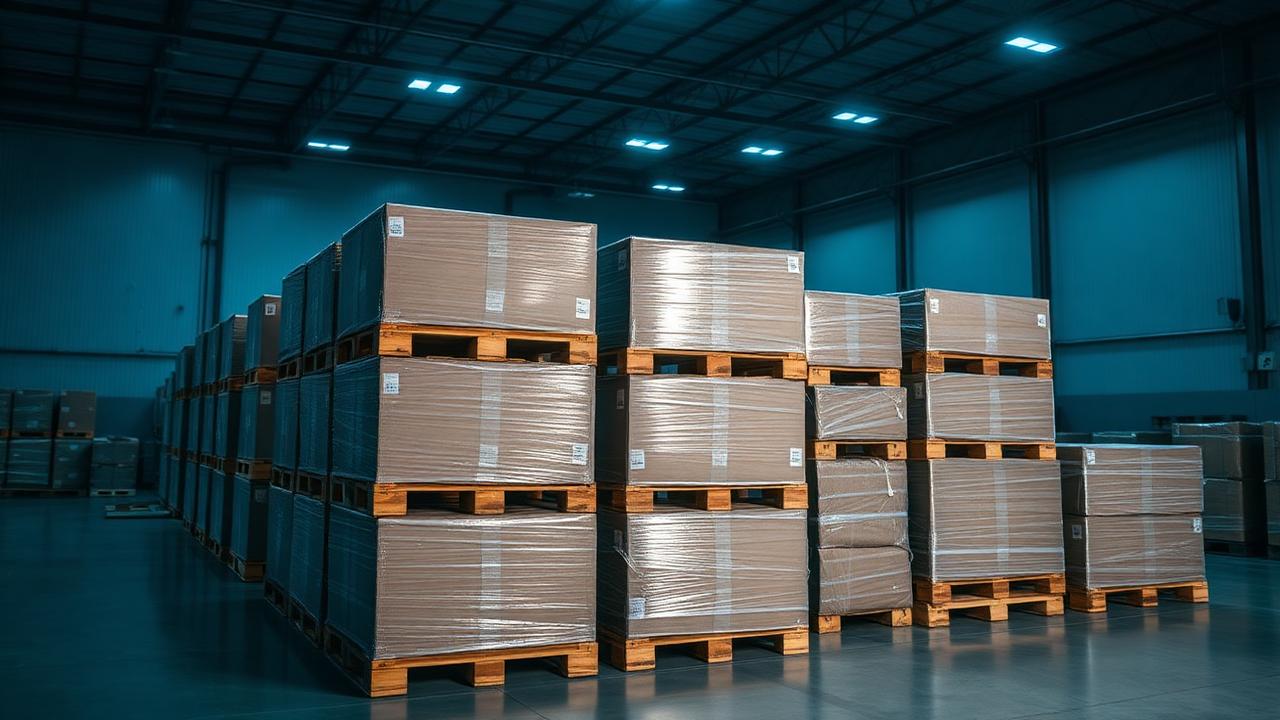
Three years ago, I won an auction for an $1,100 customer return load out of a Charlotte fulfillment center. The manifest promised 42 mixed small kitchen appliances. I let my brain fill in the blanks with mental images of pristine Ninja blenders and spotless espresso machines ready for quick local flips.
What actually touched down on my driveway was a shrink-wrapped disaster. Two air fryers were crushed like soda cans. Six vacuum cleaners were missing their charging docks and caked in pet hair. A Keurig machine was half-filled with stagnant water and stale coffee grounds that had molders during transit.
After paying $285 in freight charges and spending fifteen miserable hours scrubbing sticky plastic, I netted roughly $112. That worked out to less than $8 an hour for manual labor.
If you want to know how to resell customer return pallets without going broke or turning your garage into an expensive junkyard, you must stop treating liquidation like opening mystery boxes. Success comes down to cold financial discipline, accurate landed cost math, and knowing when to throw bad inventory directly into the trash.
The Reality of Return Category Recovery Rates
Retail returns are not overstock goods. Overstock items are surplus factory units or shelf-pulls that sat untouched in clean stores. Returns exist because someone did not like the product, could not figure out how to assemble it, or deliberately swapped their broken three-year-old model into a brand-new box before walking back to the customer service counter.
Expect damage. Expect missing accessories. Most importantly, calibrate your expected recovery rate, the total money you collect relative to the original retail value, based on the category you buy.
- Tools and Hardware: 30% to 45% recovery rate. Power tools hold value well, even when cosmetically damaged, because tradespeople and DIYers care about function over box appearance.
- Small Appliances and Housewares: 20% to 35% recovery rate. Heavy items suffer high freight damage, and missing components frequently ruin total resale value.
- Consumer Electronics: 25% to 40% recovery rate. High resale demand is offset by complex testing requirements, missing remote controls, and fraud risks.
- Apparel and Soft Goods: 8% to 15% recovery rate. High return rates, missing tags, customer stains, and severe listing time kill profitability on clothes.
If you buy a general merchandise pallet claiming an original retail value of $5,000, do not run your numbers against $5,000. Run your math against $1,200 total gross sales.
Calculating True Landed Cost Before Bidding
Winning a pallet auction for $400 does not mean your cost basis is $400. In liquidation, freight and accessorial fees will kill your margins faster than broken merchandise ever could.
Your true landed cost formula must include every line item incurred before the inventory sits on your processing table:
Winning Bid + Buyer's Premium + LTL Freight Charges + Delivery Accessorials = True Landed Cost
LTL (Less-Than-Truckload) freight rates typically run between $0.80 and $2.50 per mile, depending on fuel surcharges and route density. But the delivery accessorials are where new buyers get blindsided.
- Residential Delivery Fee: $50 to $100 added if the semi-truck enters a residential neighborhood.
- Liftgate Service Fee: $50 to $75 charged if you do not have a commercial loading dock or forklift.
- Limited Access Fee: $30 to $60 for restricted drop-off points like storage units, farms, or strip malls.
If a lot costs $350 on an auction site, but carrying it 400 miles to your driveway adds $220 in freight, $60 for a residential drop, and $50 for a liftgate, your actual cost basis is $680. If that pallet yields $950 in gross resale, you did not make $600. You made $270 before marketplace selling fees and your labor.
Before placing a single bid, plug the manifest through a manifest analysis tool like Pallet IQ or run a quick spreadsheet check to establish your hard walk-away bid limit based on realistic landed costs.
Manifested vs Unmanifested Lots
Choosing between manifested loads and unmanifested mystery pallets dictates your risk profile, processing speed, and capital strategy.
| Load Attribute | Fully Manifested Pallets | Unmanifested Truckloads | Gaylord Mystery Lots |
|---|---|---|---|
| Manifest Accuracy | 80% to 92% | None | None |
| Risk Profile | Low to Moderate | High | Extremely High |
| Processing Speed | Fast (Pre-cataloged) | Slow (Manual identification) | Very Slow (Sorting required) |
| Margin Potential | Lower (Higher competition) | Higher (Uncertainty discount) | Unpredictable |
| Primary Channels | eBay, Amazon, Mercari | Local Cash, Flea Markets | Local Cash, Bin Stores |
Manifested lots carry higher bid prices because everyone can see what is inside. Unmanifested lots are cheaper per pound, but you trade price for time and risk. If you do not have a quick way to dump unsellable junk locally, unmanifested loads will overwhelm your workspace with worthless weight.
Fully Worked P&L on a Return Lot
To understand how to resell customer return pallets for actual profit, look at a real-world scenario. Here is the exact P&L breakdown from a 32-unit mixed small-appliance lot out of a Georgia regional distribution center.
Sourcing and Transportation Costs
- Auction Winning Bid: $520.00
- Buyer Premium (10%): $52.00
- LTL Freight (Georgia to Ohio): $185.00
- Residential + Liftgate Accessorials: $110.00
- Total Landed Cost: $867.00
Yield and Grading Breakdown
- Grade A (Like New / Open Box): 8 units, Resold on eBay/Mercari
- Grade B (Tested Working, Cosmetic Scratches): 14 units, Resold on eBay/Local Cash
- Grade C (Missing Parts / Repairs Needed): 5 units, Sold local cash / for parts
- Salvage (Trash / Unrepairable): 5 units, Scrapped ($0 recovery)
Gross Revenue Generated
- 8 Grade A Units (Avg $65 net sale): $520.00
- 14 Grade B Units (Avg $42 net sale): $588.00
- 5 Grade C Units (Avg $18 net sale): $90.00
- Total Gross Revenue: $1,198.00
Selling Fees and Direct Expenses
- Marketplace Fees (eBay ~13.25% + $0.30 per order): $128.50
- Outbound Shipping Subsidies / Boxes / Bubble Wrap: $112.00
- Municipal Trash Disposal Fee (Salvage dumping): $15.00
- Total Selling Expenses: $255.50
Final Net P&L Summary
- Gross Revenue: $1,198.00
- Less Total Landed Cost: -$867.00
- Less Selling Expenses: -$255.50
- Net Operating Profit: $75.50
This load yielded a net profit, but barely. The labor investment totaled roughly 12 hours across receiving, cleaning, testing, listing, packing, and driving trash to the dump. That equates to $6.29 per hour earned. The failure here was overbidding on the initial lot based on optimistic Grade A estimates without accounting for heavy accessorial fees.
How to Resell Customer Return Pallets: The Processing System
If you want to turn a consistent profit on customer return loads, establish an assembly-line workflow the moment the semi-truck driver lowers the pallet to the ground.
- Receive and Unwrap: Inspect the exterior shrink wrap for transit damage. Take pictures of damaged outer boxes before breaking down the pallet for freight claims.
- Initial Sorting: Categorize every item immediately into four clear physical bins: Ready to Test, Needs Cleaning, Repairs Required, and Scrap.
- Testing and Sanitation: Plug units into a surge-protected test station. Verify all features work. Clean away dust, fingerprints, and remnants of previous ownership.
- Route to Distribution Channels: Assign each unit to its optimal sales platform based on item condition and shipping size.
High-value, lightweight Grade A items go straight to multi-channel e-commerce stores like eBay or Mercari. Heavy, low-margin, or cosmetically dinged units belong on local cash marketplaces like Facebook Marketplace, OfferUp, or Craigslist to avoid packing supplies and outbound shipping fees.
Where the Money Disappears: Reselling Failure Modes
Lots do not fail because resellers buy bad items; they fail because resellers mismanage operational bottlenecks and hidden expenses.
Testing Time Bottlenecks
Spending ninety minutes tinkering with a broken $30 blender is financial suicide. Set a strict ten-minute testing cap per unit. If an item requires extensive troubleshooting or hard-to-find spare parts, downgrade it to a parts lot or put it in a local cash clearance pile immediately.
Trash Disposal Expenses
Dumpster space is not free. When you buy low-grade return pallets, roughly 15% to 25% of the total volume will be unusable plastic trash and broken wood. If you live in an area with strict municipal trash limits, paying commercial dump fees to clear unsellable return clutter will strip away your net operating margins.
Return Policy Mismanagement on Reselling Platforms
Listing a customer return as "New - Open Box" on eBay when it is missing a tiny internal accessory triggers Item Not As Described (INAD) claims. High return rates on e-commerce platforms cause account penalties, forced return shipping fees, and extra restock labor. Grade conservatively. Label tested returns as "Used - Good Condition" and clearly detail every single missing piece in the item description.
Strategic Advice for Building Scale
To build a sustained liquidation business, balance your high-risk return loads with stable overstock or shelf-pull contracts. Never spend more than 30% of your operating capital on customer return lots, because a single load of completely destroyed inventory can wipe out two months of hard-earned working capital.
Mastering how to resell customer return pallets requires setting clear boundaries on your bidding prices, mastering freight costs, and treating your labor like a real expense line item. Treat the math with respect, grade your inventory harshly, and keep your processing fast.
Do I need a business license or resale certificate to buy liquidation pallets?
Most major liquidation platforms and direct retail liquidation auctions require a valid state resale certificate and business tax ID. A resale certificate allows you to purchase inventory tax-free, as long as you collect and remit sales tax when selling products to the final end consumer.
What equipment do I need before my first pallet arrives?
At minimum, set up a dedicated worktable, an adjustable box cutter, industrial stretch wrap, heavy-duty cleaning supplies, multi-bit screwdrivers, a multimeter for basic electronics testing, thermal label printers, shipping scales, and adequate storage shelves to keep inventory off the floor.
How do I handle missing power cords or incomplete items?
Do not spend high retail prices buying replacement cords or accessories individually. Source universal power cords, generic chargers, and multi-packs in bulk from wholesale vendors. If replacing a missing part costs more than 15% of the item's anticipated resale price, sell the unit as-is for parts on eBay.
Pallet IQ Editorial Team
We buy, grade and resell liquidation pallets, then turn what we learn into the tools on Pallet IQ. Every guide here comes from real manifests, real bids and real sell through numbers.
Written August 25, 2026, last reviewed October 19, 2026