How to Resell Appliance Liquidation Pallets for Profit
A realistic breakdown of landed costs, manifest analysis, testing workflows, and actual P&Ls for reselling small and major appliance liquidation pallets.
By Pallet IQ Editorial Team
Published · Updated
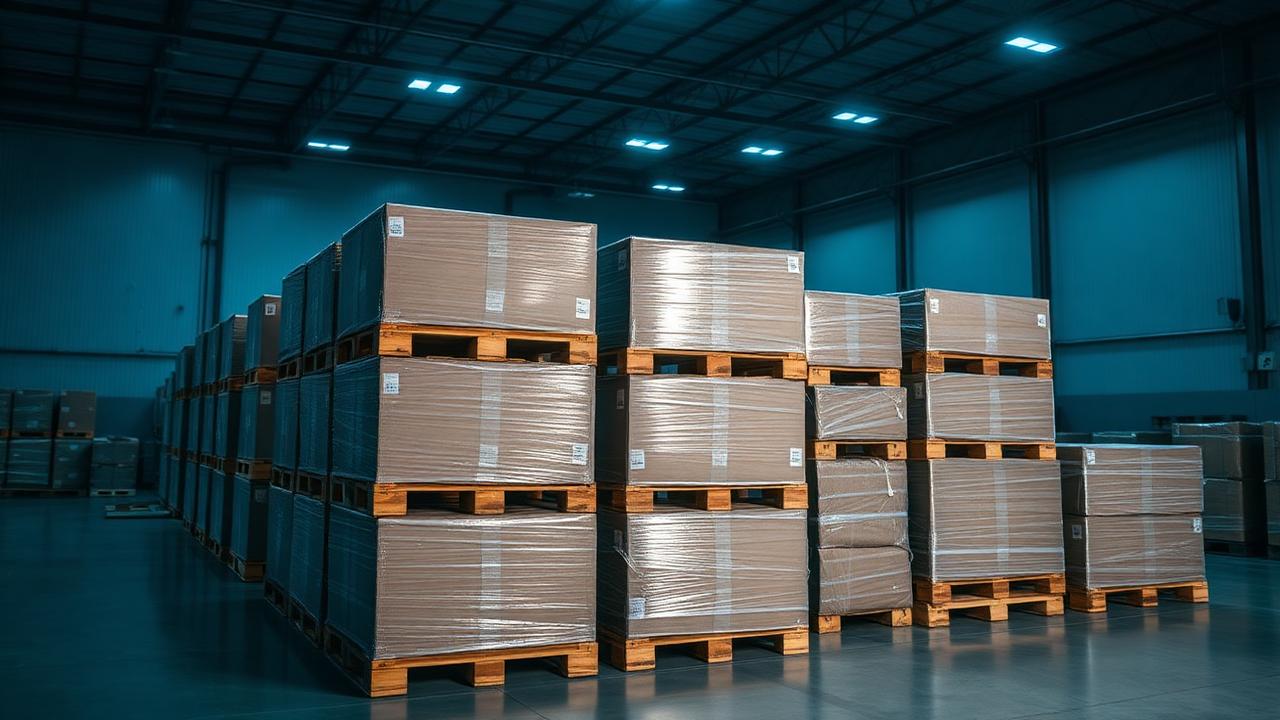 Liquidation Resell Strategies
We dropped $2,400 on a 14-piece major appliance lot out of a Home Depot return center in Ohio three years ago. Eight of the refrigerators had punctured coils from lazy forklift operators. The freight carrier slapped a $125 limited-access fee because our shop gate was two feet narrower than their standard dock spec. By the time we scrapped four unfixable units and paid for replacement compressor valves on two others, we cleared $112 in net profit after 40 hours of shop labor. That is $2.80 an hour.
Learning how to resell appliance liquidation pallets requires learning how to spot structural landmines in manifests long before wire transfers hit the auction site. Small kitchen gadgets turn over fast on secondary marketplaces, while scratch-and-dent laundry units require local staging, diagnostic tools, and a reliable pickup truck. The margins exist, category recovery rates float between 25% and 45%, but only if you calculate your landed cost down to the last accessorial charge.
How to Resell Appliance Liquidation Pallets: Category Breakdown
Appliance liquidation falls into two distinct operations: small countertop appliances and major home appliances. Trying to run both out of the same facility with the same equipment usually ends in tears and unpaid storage fees.
| Category | Average Unit Weight | Typical Recovery Rate | Primary Sales Channels | Primary Failure Point |
|---|---|---|---|---|
| Small Kitchen | 8-18 lbs | 30-45% MSRP | eBay, Mercari, Facebook | Missing attachments, internal grease damage |
| Floor Care | 12-25 lbs | 25-35% MSRP | eBay, Local Marketplace | Clogged impellers, burned-out brush motors |
| Major Laundry | 140-210 lbs | 35-50% MSRP | Local Pickup, OfferUp | Cracked tub rings, fried main boards |
| Refrigeration | 150-320 lbs | 20-40% MSRP | Local Direct, Repair Shops | Punctured sealed systems, lost refrigerant |
If you work out of a two-car garage without a loading dock, stay with small kitchen appliances and vacuum cleaners. Liftgate service will add $50 to $75 per pallet on LTL (less-than-truckload) shipments, but you can break down a 48x40-inch pallet by hand on your driveway in twenty minutes. Major appliances demand pallet jacks, heavy-duty hand trucks, direct dock access, and usually an EPA Section 608 certification if you plan to touch sealed refrigeration lines yourself.
Manifest Analysis and Landed Cost Math
Never bid on an unmanifested appliance pallet unless you are paying pure scrap value, roughly $0.05 to $0.10 per pound. On manifested lots, examine product condition codes carefully. Retailers like Target, Amazon, and Wayfair use distinct grading systems:
- Grade A/B: Customer returns with open boxes, complete accessories, and minor cosmetic blemishes. Expect 70% to 80% functionality out of the crate.
- Grade C: Visible scratch-and-dent units, heavily damaged packaging, or missing power cords and primary attachments.
- Grade D / Salvage: Store write-offs, field-destroyed stock, or units returned with known electrical faults. These are purely donor lots for spare parts.
Before placing a bid, run every SKU through a manifest analysis tool like PalletIQ to pull active eBay sold comps and current Amazon buybox prices. Standard marketplace fees will eat ~13.25% plus $0.30 per transaction on eBay, or ~15% on Amazon. Factor in freight rates, which currently range from $0.80 to $2.50 per mile depending on fuel surcharges and lane density.
P&L Breakdown: A Real 28-Unit Small Appliance Lot
To see how the numbers hit a real bank account, look at a 28-unit small kitchen appliance lot sourced from a retail distribution center in Indiana. This was listed as a Grade B customer return lot containing Ninja air fryers, De'Longhi espresso machines, and Cuisinart food processors.
Here is the exact cost basis and realization breakdown:
- Winning Auction Bid: $850.00
- LTL Freight (450 miles): $310.00
- Liftgate Fee: $65.00
- Residential Accessorial Charge: $45.00
- Total Landed Cost: $1,270.00 ($45.35 per unit)
Out of 28 units, testing yielded the following breakdown:
- 18 Units Fully Functional: Cleaned, repacked, and listed on eBay/Mercari. Average selling price: $82.00 each. Total gross: $1,476.00.
- 5 Units Missing Parts: Needed replacement carafes or basket inserts. Bought missing parts on eBay for $48.00 total. Sold units locally for $50.00 each. Total gross: $250.00.
- 3 Units Functional with Heavy Scratches: Sold locally on Facebook Marketplace for $35.00 each. Total gross: $105.00.
- 2 Units Dead on Arrival: Blown thermal fuses on control boards. Stripped for spare parts (knobs, power cords) and discarded housing. Total gross: $0.00.
Now calculate the true net profit:
- Total Gross Revenue: $1,831.00
- Minus Landed Cost: -$1,270.00
- Minus Replacement Parts: -$48.00
- Minus Platform Fees (eBay/Mercari ~13.25%): -$228.70
- Minus Shipping Boxes & Bubble Wrap: -$35.00
- Net Profit: $249.30
We made $249.30 on a $1,270 capital outlay over three days of testing, cleaning, listing, and packing. That is a 19.6% net margin. If freight had run $150 higher, or if four more units had blown circuit boards, this lot would have broken even. That thin line is why testing rig setup and efficient diagnostic routines matter more than raw sourcing discounts.
Critical Diagnostic Workflows for Resellers
Speed is your primary competitive edge when processing liquidation inventory. If you spend 45 minutes diagnosing a $40 toaster oven, you are losing money. Build a standardized testing bench before your first pallet arrives.
- Visual inspection: Check for severed cords, cracked heating elements, bent plugs, and deep structural housing cracks.
- Power draw test: Plug the item into a Wattmeter or Kill-A-Watt monitor. Verify that the appliance pulls rated amperage without tripping breakers or sparking.
- Thermal verification: Use an infrared thermometer gun on heating elements, toaster slots, and hot plates. Confirm heating coils reach target temperatures within 90 seconds.
- Water cycle test: For coffee makers and steam units, run plain distilled water through a short cycle to detect internal pump leaks or clogged thermoblocks.
Never list a liquid-bearing appliance as "fully functional" without running water or steam through it first. A single unaddressed leak leads to a buyer dispute, a forced return, and double shipping costs on a heavy item.
Where Appliance Reselling Goes Sideways
The quickest way to burn capital on appliance pallets is ignoring hidden freight accessorials and buyer return policies. Carriers charge extra for limited-access locations, liftgate drops, and re-consignment if your drop location lacks clear truck turning radius. A single missed accessorial tag on a bill of lading can erase $150 of anticipated margin after delivery.
Another major failure mode is bio-contamination and hygiene issues in small appliances. Returns often contain rotting food particles inside blender blades, moldy water reservoirs in espresso machines, or hair and pet dander caked into vacuum brush rolls. Sanitizing filthy units takes significant time. If cleaning labor exceeds 20 minutes per unit, your hourly wage drops below minimum wage fast. Put a strict threshold on cleaning times; if an item requires two hours of scrubbing, strip it for motor parts and scrap the frame.
Best Outlets for Fast Capital Turn
Matching inventory to the correct resale venue keeps cash moving back into your sourcing account. High-value, light-weight small appliances belong on national e-commerce channels, while heavy or dented units belong on local channels.
- eBay: Ideal for high-end small appliances (Vitamix, Breville, Dyson). Buyers accept open-box and refurbished stock readily if photographed thoroughly.
- Facebook Marketplace & OfferUp: Essential for local sales of scratch-and-dent major appliances, oversized microwaves, and heavy vacuum lots. Zero platform fees and local cash pickup offset lower sale prices.
- Mercari: Excellent for mid-tier kitchen gadgets, pressure cookers, and air fryers weighing under 15 pounds.
Mastering how to resell appliance liquidation pallets comes down to brutal realism about your labor costs, diagnostic skill, and true freight expenses. Respect the math on every manifest, protect your landed cost, and harvest scrap or spare parts from dead units to protect your downside risk.
How do I handle returns on liquidated appliances sold online?
Describe every defect explicitly in the listing and photograph all scuffs, missing accessories, and serial numbers. Sell lower-grade or untested items as "For Parts or Not Working" to limit forced returns. For functional items, factor a 5% to 8% return reserve into your initial P&L projections.
Is a license needed to repair and resell major appliances?
Federal law requires EPA Section 608 certification if you open or charge sealed refrigeration systems containing fluorocarbon refrigerants like R-134a or R-600a. General electrical repairs, cord replacements, or mechanical parts swapping on washers, dryers, and ovens do not require federal licensing, though state and local business regulations still apply.
What is a realistic margin when reselling small appliance pallets?
A realistic net profit margin ranges between 15% and 25% after factoring in landed freight costs, platform commissions, replacement accessories, and junked units. Experienced resellers aim for a 2x to 3x return on auction purchase price before freight to ensure safety against unworkable inventory.
Pallet IQ Editorial Team
We buy, grade and resell liquidation pallets, then turn what we learn into the tools on Pallet IQ. Every guide here comes from real manifests, real bids and real sell through numbers.
Written August 13, 2026, last reviewed October 19, 2026