How to Profit on Appliance Liquidation Pallets
A veteran reseller breaks down real landed costs, testing routines, and margin math for small and major appliance return lots.
By Pallet IQ Editorial Team
Published · Updated
 Liquidation Strategies
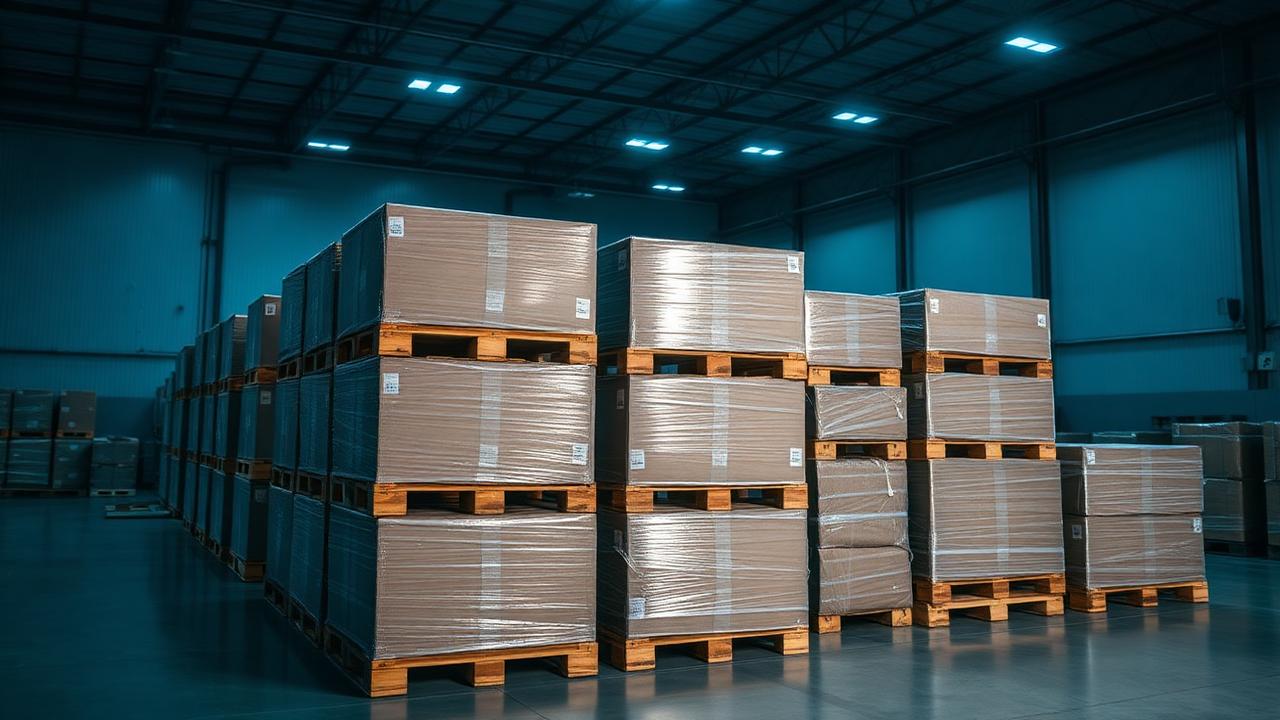
My first small appliance lot arrived on a rainy Tuesday outside Atlanta. The freight driver refused to pull down my gravel driveway because a pine branch hung low across the wire. He left a 480-pound pallet sitting on the shoulder of a two-lane highway, wrapped in shredded black stretch film, with three Ninja blender boxes hanging off the side like loose teeth.
I carried 28 boxes up the driveway by hand. Two microwaves had shattered glass turntables. A DeLonghi espresso machine was missing its water tank and portafilter. But after three days of testing, scrubbing, and sourcing missing parts off eBay, that lot turned an $850 bid into $2,450 in gross local sales. Understanding how to make money with appliance liquidation pallets isn't about finding pristine stock. It's about knowing exactly how much trash you're paying to haul away before you ever place a bid.
Appliances are heavy, bulky, and mechanically prone to failure. Retail buyers return them because they didn't fit under a cabinet, because they made a strange hum on day three, or simply because the buyer wanted a different color. That friction is where your margin lives.
Small Appliances vs. White Goods: Choosing Your Lane
Before you bid on a lot out of a Target or Home Depot Regional Distribution Center (RDC), you have to choose your infrastructure level. Appliance liquidation breaks into two distinct sub-categories, and mixing them up will wreck your logistics.
Small kitchen appliances (countertop microwaves, air fryers, high-end espresso makers, stand mixers, and robot vacuums) are the sweet spot for solo operators working out of a garage or small storage unit. They ship via standard Less-Than-Truckload (LTL) freight, fit on standard 48x40 pallets, and can be tested on a basic workbench with a power strip and a bucket of water.
Major appliances (refrigerators, washers, dryers, and ranges, often called white goods) require serious space, specialized hand trucks, 220V electrical hookups, direct water lines for testing, and ideally a box truck with a heavy-duty liftgate. If you attempt white goods without a shop and a second pair of hands, your injury rate will outpace your profit margin.
For small appliances, target a baseline recovery rate of 25% to 40% of current retail value when buying raw customer returns. Overstock or shelf-pull lots can push 45% to 60%, but you will pay a much higher upfront percentage for those manifests.
How to Make Money With Appliance Liquidation Pallets: Sourcing and Grading
Not every return lot is built the same. Understanding the seller's grading system prevents you from buying a pallet of literal scrap metal.
Manifested lots list every item, item descriptions, and estimated retail values. Unmanifested lots are high-risk gambles where you buy by the box count or pallet height. Unless you are buying from a local retail liquidation yard where you can physically walk around the pallet with a flashlight, stick strictly to manifested inventory.
Pay close attention to these common liquidation grades:
- Grade A/B (Overstock & Shelf Pulls): Box wear or sticker residue, but the unit inside is complete and unused. Expect 80% to 90% plug-and-play functionality.
- Raw Customer Returns (Grade C): Untested items brought back by retail shoppers. Expect 50% working out of the box, 30% needing minor cleaning or missing accessories, and 20% complete junk or strip-for-parts status.
- Salvage / Grade D: Known non-working or physically damaged goods. Only buy these if you run a dedicated repair shop or a high-volume eBay part-out store.
Watch out for carrier freight add-ons, known as accessorials. Sourcing cheap pallets online means nothing if delivery fees double your cost basis. A standard LTL quote usually assumes a commercial dock. If you are receiving a delivery at a house or residential garage, carriers charge extra fees:
- Residential delivery fee: $50 to $100
- Liftgate service (if you don't have a forklift): $50 to $75
- Limited access fee (farms, storage units, gated sites): $30 to $60
If you forget to select these at checkout, the freight company will bill you after delivery, eating your entire project profit.
Appliance Liquidation Channel Comparison
| Inventory Source | Average Cost (% MSRP) | Prep & Testing Time | Expected Recovery Rate | Primary Sales Channel |
|---|---|---|---|---|
| Raw Customer Returns (Small) | 12% - 18% | High (15-30 mins/unit) | 25% - 40% | Local Pickup / eBay |
| Overstock / Shelf Pulls | 22% - 32% | Low (Visual check) | 45% - 60% | eBay / Mercari / Amazon |
| Scratch & Dent (Major) | 30% - 45% | Moderate (Sanitize & run cycle) | 50% - 65% | Local Pickup / OfferUp |
| Salvage / Damaged Lots | 4% - 8% | Extreme (Teardown for parts) | 10% - 20% | eBay Parts Only |
How to Make Money With Appliance Liquidation Pallets: The Real Math
Let's run through a realistic Profit & Loss breakdown. We will use a real-world example: a 24-unit mixed small-appliance lot sourced from a mid-Atlantic retail distribution center, containing a blend of Ninja, Breville, Dyson, and Keurig returns.
The Buy and Landed Cost
- Winning auction bid: $850.00
- Buyer's premium (10% platform fee): $85.00
- LTL Freight charge (320 miles): $210.00
- Liftgate accessorial fee: $50.00
- Residential delivery surcharge: $60.00
- Total Landed Capital Invested: $1,255.00
Manifest Audit and Unboxing Breakdown
Upon opening the pallet and running through a 3-step testing protocol (Visual, Power-On, Thermal/Functional), the 24 units break down into four clear buckets:
- 14 Units - Fully Working, Complete: Cleaned, sanitized, repackaged. (Includes 2 Breville espresso machines, 4 Ninja air fryers, 3 Keurig coffee makers, 5 Dyson stick vacs).
- 5 Units - Working, Missing Parts: Require cheap replacement parts off Amazon/eBay (replacement carafes, filters, hoses). Cost of parts: $85.00 total.
- 3 Units - Cosmetically Damaged: Cracks in plastic bodies, deep gouges. Functional, but must be sold locally at a steep discount.
- 2 Units - Dead / Total Loss: Blown motors or cracked internal heating elements. Shifted to the teardown pile for eBay parts listing.
Total Resale Realization
- 14 Grade-A units sold on eBay/Mercari: $1,820.00 gross
- 5 Completed units (after adding new parts): $520.00 gross
- 3 Discounted local units sold via Facebook Marketplace (Cash/Venmo): $210.00 gross
- Part-out sales from 2 dead units (motors, cords, water tanks sold individually): $115.00 gross
- Gross Resale Revenue: $2,665.00
Fees, Shipping, and Net Profit
- Marketplace fees (eBay ~13.25% + $0.30 per transaction across 19 shipped sales): $262.00
- Outbound shipping costs paid out of pocket (unsubsidized portions): $145.00
- Parts purchase investment: $85.00
- Total Landed Cost Basis: $1,255.00
Net Operating Profit: $918.00 Net Return on Investment (ROI): 73.1% Margin on Gross Sales: 34.4%
Notice that almost 10% of the total profit came from parting out the two broken units. Throwing dead appliances in the dumpster isn't just wasteful, it burns your margin.
Testing, Cleaning, and the Art of the Part-Out
To make this model work consistently, you need an organized processing station. Do not attempt to process returns in your living room.
Set up a dedicated workbench equipped with a high-draw power strip, a digital kill-a-watt meter, a air compressor for blowing out dust, and high-strength multi-surface degreasers. Before plugging in any liquidated appliance, open the housing or look inside the ports. Small appliances often contain food residue, pet hair, or trapped water from previous owners.
When processing a unit, follow this order:
- Visual Safety Check: Inspect power cords for fraying or exposed copper. Never plug in a compromised wire.
- Dry Power Test: Plug into a surge protector and verify power switches, display screens, and digital boards light up correctly.
- Functional Load Test: Put water in the coffee pot. Put bread in the toaster oven. Run the vacuum across a clean rug patch. A motor might spin fine under zero load, then scream and blow smoke the second it experiences friction.
- Sanitation and Cosmetic Scrub: Clean off shipping tape, sticker goo, and water spots. A 10-minute scrub with citrus cleaner elevates a item from C-grade return to B-grade refurbished, adding 20% to your price tag.
If a high-end unit fails the functional load test, say, a $400 Breville Barista Express with a dead pump, do not throw it away. Unbolt the casing. The portafilter, water tank, drip tray, bean hopper, and internal solenoid valves sell separately on eBay every single day. A dead $400 machine will routinely yield $150 to $200 in clean replacement parts.
Using a manifest analysis tool like PalletIQ lets you instantly cross-reference missing accessory costs and current eBay completed sales before you place a bid on raw loads.
Where Appliance Lots Go Dead Wrong
The single biggest failure point for new resellers in appliance liquidation is freight shock combined with unvetted manifests.
If you bid $600 on a small appliance lot with a $2,000 retail value, you might think you secured a 70% discount. But if that lot ships from a warehouse 1,200 miles away, freight will run $350. Add a liftgate fee ($50) and a residential fee ($75), and your landed cost leaps from $600 to $1,085. Your cost percentage jumped from 30% of MSRP to nearly 55% of MSRP before you opened a single box.
Another landmine: refrigerant and compressor issues. If you venture into mini-fridges, wine coolers, or portable air conditioners, expect sealed-system failures. Customer returns on cooling appliances frequently stem from leaked Freon or locked compressors caused by shippers tipping units on their sides. You cannot easily fix a dead compressor without an EPA section 608 license and specialized recovery equipment. If a cooling unit doesn't chill within 30 minutes of plugging it in, cut your losses and scrap it.
Lastly, avoid proprietary charger traps. Stick vacs, cordless scrubbers, and battery-powered kitchen tools often arrive without their original wall chargers. A generic charger off Amazon might not negotiate the correct voltage with a proprietary lithium-ion battery pack, leading to thermal runaway or dead batteries. Factor the cost of genuine OEM replacement chargers into your initial manifest calculations.
What is the average recovery rate for appliance liquidation lots?
For raw, untested customer return lots containing small kitchen appliances, realistic net recovery runs between 25% and 40% of the original retail value (MSRP). Overstock lots or verified shelf-pulls yield higher recovery rates, often between 45% and 60%, but they require higher upfront purchase capital.
Do I need a special license to resell liquidated appliances?
In most jurisdictions, you do not need a special trade license to sell refurbished or tested countertop small appliances. However, if you plan to sell major appliances involving fluorocarbon refrigerants (like fridges or air conditioners), federal laws govern refrigerant handling. You will also need a standard state sales tax permit to buy pallets tax-exempt and register with commercial liquidation platforms.
Is it better to sell liquidated appliances on eBay or locally?
Heavy, low-value items like basic countertop microwaves or budget toaster ovens are best sold locally on Facebook Marketplace, OfferUp, or Craigslist for cash to avoid heavy shipping costs and platform commission fees. High-value, lightweight, or highly specialized items, like Breville espresso machines, Vitamix blenders, or replacement parts, should be listed on eBay or Mercari to access a nationwide buyer base willing to pay full market value.
Knowing how to make money with appliance liquidation pallets comes down to strict execution on the ground. Calculate your true landed costs including every freight surcharge, test every machine methodically, sell high-value items nationwide, and strip the broken units for parts down to the last screw.
Pallet IQ Editorial Team
We buy, grade and resell liquidation pallets, then turn what we learn into the tools on Pallet IQ. Every guide here comes from real manifests, real bids and real sell through numbers.
Written August 16, 2026, last reviewed October 19, 2026