How to Make Money With Untested Pallets Without Going Broke
Buying uninspected liquidation inventory sounds like a fast way to burn cash. Here is how we turn raw returns into consistent monthly profit.
By Pallet IQ Editorial Team
Published · Updated
 Liquidation Strategy
Three years ago, I bought a 48-unit lot of raw, uninspected floor care out of a North Carolina distribution center. Paid $650 for the lot, $285 for LTL freight with a liftgate fee, and ended up with 19 vacuums missing their hoses, four shattered dust bins, and six units covered in pet hair that smelled like a wet carpet. We lost $310 after platform fees. It sucked. But it taught us the core rule of liquidation: knowing how to make money with untested pallets isn't about hoping for hidden gold. It is about pricing in the garbage before you place a single bid.
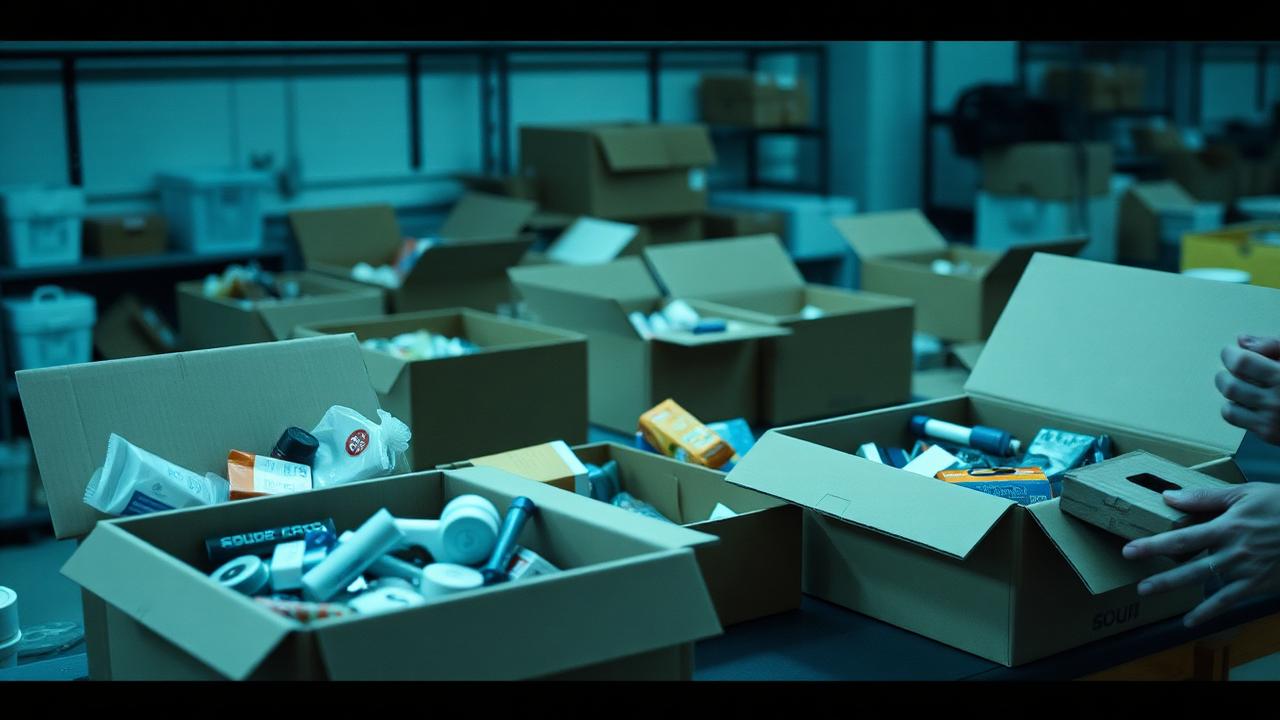
Untested pallets, often labeled raw customer returns or Grade C/D inventory, are the highest-risk, lowest-cost entry point in reselling. Big box retailers do not have the time or floor space to plug in a returned air fryer, test a cordless drill, or re-box a lawnmower. They dump these items into gaylords, shrink-wrap them, and list them on B2B auction sites. If you know how to process them fast and calculate your downside, raw lots offer massive profit margins. If you guess, you end up paying to haul away someone else's trash.
What Untested Really Means on the Warehouse Floor
When a listing says untested, it means nobody at the liquidator plugged the item into a wall socket. Period.
Retailers clear out inventory through Regional Distribution Centers (RDCs). When a buyer returns a steam mop to a store, the cashier puts a sticker on it and tosses it into a salvage bin. That bin gets hauled to an RDC, dumped onto a pallet with 40 other random items, and assigned an estimated MSRP value.
Manifests on these lots are notoriously inaccurate. A manifest might list a $300 DeWalt rotary hammer kit, but when the pallet drops on your driveway, you find the blow-molded case contains a brick, an old towel, and a rusted drill. People steal items and return bricks. Store clerks rarely open the box to check.
Expect four distinct categories in every raw pallet:
- Ready to Sell (30-40%): Complete items, open box, maybe missing the instruction manual.
- Minor Repair or Missing Parts (25-35%): Good hardware needing a $6 power cord, a replacement knob, or a deep clean.
- Parts Only (15-20%): Damaged chassis, dead motors, or missing proprietary chargers that cost more than the item is worth.
- Pure Trash (10-15%): Broken plastic, missing critical safety parts, or outright junk.
If your financial model assumes 80% of the pallet works out of the box, you will go broke. Build your math around a 40% clean recovery rate. Anything above that is pure bonus.
How to Make Money With Untested Pallets Across Different Categories
Not all raw inventory is created equal. Trying to flip untested high-end electronics like cameras, modern smartphones, or gaming consoles is a brutal game. Consumer electronics have a dismal 25-40% functional recovery rate because people return items only when they stop working or when they successfully swap out a broken motherboard for a new one. Plus, platforms like eBay charge roughly 13.25% plus $0.30 per transaction, while Amazon takes around 15%, squeezing thin margins even further.
Instead, focus on categories with mechanical simplicity or high part-value:
Power Tools & Outdoor Power Equipment Tools have a recovery rate between 30% and 45%. A cordless impact driver has few moving parts. If the switch works, the tool works. Even broken bare tools sell quickly on eBay for parts to buyers who rebuild motors in their spare time.
Hardlines and Home Goods Pressure washers, ceiling fans, light fixtures, and stainless steel trash cans. These items suffer from shipping box damage rather than actual internal failure. A dented trash can still functions; discount it 40% off retail, list it locally on Facebook Marketplace where platform fees are just 5% or zero for cash pickup, and move it fast.
Small Kitchen Appliances Blenders, pressure cookers, and air fryers are high-volume staples. The secret here is parts harvesting. A broken blender base is trash, but the pitcher, blade assembly, and lid sold individually will frequently return your entire initial purchase price.
Apparel and Footwear Apparel has a low recovery rate per item (8-15% of MSRP), but high volume. However, processing times are brutal. Steaming, measuring, and checking for hidden stains will kill your hourly wage unless you sell in bulk lots.
Real Math: A Complete P&L Breakdown
Let's break down a real, single-pallet transaction. This was a 38-unit lot of raw home goods and power tools originating from a Midwest distribution center.
Here is how the cash flowed:
- Winning Bid: $450.00
- Buyer's Premium (10%): $45.00
- LTL Freight Base Rate: $185.00
- Liftgate Fee: $50.00
- Residential Delivery Fee: $60.00
- Total Cost Basis: $790.00
Freight accessorials, extra fees charged by freight carriers for non-standard delivery requirements like liftgates ($50-$75) or limited-access locations ($30-$60), will crush your net profit if you leave them out of your prep work. Freight ran us roughly $1.65 per mile on this 180-mile haul.
Here is what came out of the gaylord:
- Working / Open-Box (Sold eBay/Local): 16 units generating $920.00
- Minor Repair / Missing Parts (Cleaned/Fixed): 9 units generating $380.00
- Harvested for Parts (Lids, blades, chargers): 5 units generating $140.00
- Trash / Unsellable Junk: 8 units generating $0.00
| Line Item | Amount |
|---|---|
| Gross Sales | $1,440.00 |
| Total Inventory & Freight Cost | -$790.00 |
| Marketplace Fees (eBay ~13.25% avg + FB 5%) | -$162.00 |
| Outbound Shipping Supplies & Labels | -$115.00 |
| Net Profit | $373.00 |
| Net ROI on Outlay | 47.2% |
We spent roughly 6 hours sorting, testing, cleaning, listing, and packing this single lot. That comes out to $62 per hour of labor. If you don't calculate shipping, platform fees, and trash disposal into your bid price, that $373 net profit quickly morphs into a $150 loss.
Tested vs. Untested Pallets: Which Fits Your Model?
Before buying salvage lots, compare the operational requirements of tested versus untested inventory.
| Metric | Untested Pallets (Grade C/D) | Tested Working Pallets (Grade A/B) |
|---|---|---|
| Purchase Cost | 8% - 15% of MSRP | 25% - 40% of MSRP |
| Average Recovery Rate | 30% - 50% functional | 85% - 95% functional |
| Processing Time per Unit | High (Testing, cleaning, parting out) | Low (Inspect, list, shelf) |
| Margin Potential | High upside, high risk | Moderate upside, low risk |
| Space Requirement | High (Staging area for trash/parts) | Low (Immediate turn to shelf) |
| Best Resale Outlets | eBay (parts), Local cash, Flea market | Amazon FBA, Poshmark, Mercari |
Triage and Processing Workflow
Speed is your survival mechanism. If you spend 45 minutes trying to solder a wire inside a $25 toaster, you are losing money. You need a streamlined processing routine the moment you cut the plastic wrap.
Clear a 10x10 space. Keep a workbench equipped with multimeters, standard power cords, isopropyl alcohol, scrapers for retail stickers, and basic hand tools.
Run every item through a strict four-way triage within two minutes:
- Pass (Sell Complete): Unit turns on, performs primary function, has main accessories. Clean off sticker residue, take photos immediately, put it in a dedicated listing bin.
- Harvest (Part Out): Motor burned out on a pressure washer? Pull the hose, wand, spray tips, and brass fittings. Throw the pump body into scrap metal. A $15 wand takes two minutes to list and ships in a simple padded mailer.
- Refurbish (Quick Fix Only): Set a hard 10-minute limit on repairs. If it requires a simple fuse replacement or missing screw, do it. If it requires disassembling an entire gear housing without schematic guides, push it to parts or trash.
- Scrap or Trash: Do not hold onto junk hoping you will use it someday. Scrap metal goes into a 55-gallon drum for quarterly yard runs. Plastic trash goes directly into the bin.
Using a manifest analysis tool like PalletIQ before bidding helps you spot lots heavy on high-value parts items and avoid manifests stacked with un-resellable proprietary store brands.
How This Goes Wrong
Resellers who crash and burn on raw liquidation lots usually hit one of three fatal traps.
The first is The Storage Sinkhole. You keep 15 broken units in your garage because the motors still work. Six months later, your workstation is unmanageable, you can't park your car, and you haven't bought new inventory because your capital is trapped in broken air compressors. If an item doesn't sell or get harvested within 30 days of processing, liquidate it locally in a mystery box lot or trash it.
The second is The Freight Trap. Bidding $200 on a lot seems brilliant until the invoice hits with $350 in LTL shipping, a $60 residential fee, and a $50 liftgate charge. Suddenly your $200 pallet costs $660 before you've even seen a manifest item. Always calculate landed cost, purchase price plus every single shipping accessory, before clicking bid.
The third is Platform Destruction. Selling untested items as Open Box or Used - Like New on eBay or Mercari will destroy your seller metrics. Disgruntled buyers file Item Not As Described claims, forcing you to pay return shipping both ways. If you haven't thoroughly stress-tested an item, list it strictly as For Parts or Not Working. Let the buyer be pleasantly surprised when it works, rather than furious when it fails after three days.
The Untested Pallet Game Plan
Learning how to make money with untested pallets isn't a gamble if you control your variables. Keep your purchase price under 12% of retail MSRP. Factor in LTL freight, accessorial charges, and realistic platform fees before you bid. Triage inventory ruthlessly, cut your losses on broken plastic, and harvest parts from dead machines. When you treat raw pallets like a production line rather than a lottery ticket, the profit stays consistent month after month.
What tools do I need to start testing uninspected liquidation inventory?
A standard GFCI outlet setup, multimeter, universal power adapters, variable voltage DC power supply, isopropyl alcohol, sticker scraper, and basic screwdriver or hex bits. Keep spare power cables (C7, C13, and barrel jacks) on your workbench.
How do I dispose of unsellable items without ruining my margins?
Separate materials at triage. Metal components go to a scrap yard, where you can recover $0.05 to $0.10 per pound. Plastic and unrepairable electronics go to municipal e-waste recycling drops. Factor municipal bulk trash fees into your initial business overhead.
Can I return a pallet if the manifest was wildly inaccurate?
Generally, no. Most liquidation auctions sell raw customer returns as-is, where-is with zero return rights. However, if a manifest claimed 50 items and you received 20, or if high-value items were completely omitted, file a shortage claim with the platform's account manager within 24 to 48 hours of delivery.
Pallet IQ Editorial Team
We buy, grade and resell liquidation pallets, then turn what we learn into the tools on Pallet IQ. Every guide here comes from real manifests, real bids and real sell through numbers.
Written August 10, 2026, last reviewed October 19, 2026