How to Make Money With Tool Liquidation Pallets
I bought a hardware lot expecting mint drills and got cracked pressure washers. Here is how to evaluate, repair, and flip tool pallets profitably.
By Pallet IQ Editorial Team
Published · Updated
 Liquidation Strategy
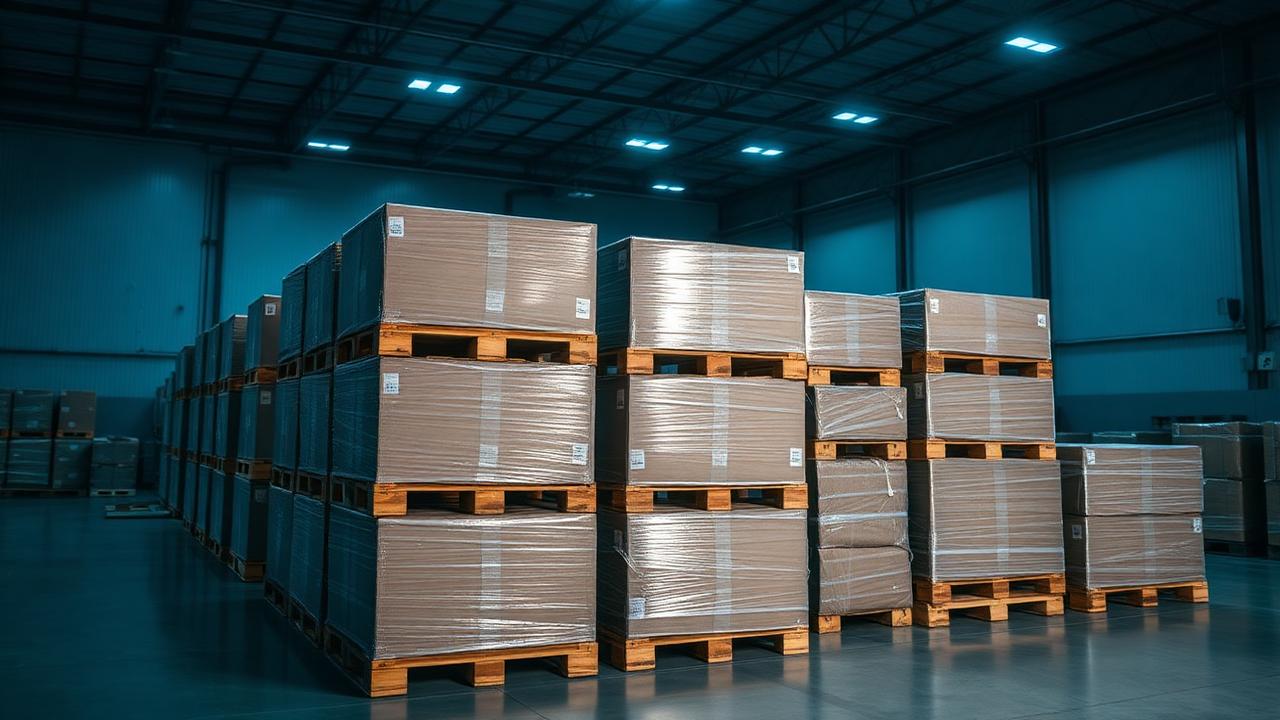
Three years ago, I backed a liftgate truck up to my garage to unload a four-pallet hardware lot coming out of an Indiana regional distribution center. On paper, it was $11,200 in retail value for a $1,850 hammer price. In reality, twelve of the Milwaukee fuel impact drivers had burnt-out armatures, five Ryobi pressure washers leaked directly from their pump housings, and half the battery packs were missing entirely. I ate a $400 loss on that delivery before I pulled out a single multimeter.
If you want to know how to make money with tool liquidation pallets, you have to throw away the retail numbers listed on the auction sheet. Manifested MSRP is a line item designed to tempt amateurs. What matters is working bench time, parts harvest yields, and knowing which brands hold secondary market value even when stripped down to bare tools.
Power tools and jobsite hardware are among the most reliable categories in secondary retail, routinely delivering 30-45% recovery rates against original retail value. Compare that to apparel, which often struggles to clear 8-15%, or general consumer electronics at 25-40%. Contractor gear, homeowner power tools, and pneumatic equipment have raw utility value. A carpenter with a broken miter saw on Tuesday morning does not care if the replacement housing has oil smudges, as long as the blade arbor runs straight and the motor brushes hold up under load.
The Real Mechanics of Tool Grades
Before you drop a bid on a lot out of a big-box home improvement retailer, you need to understand how major chains triage their returns. Liquidation lots generally fall into four distinct operational grades:
- Grade A (Overstock & Shelf Pulls): Factory-sealed boxes, discontinued inventory, or seasonal display models. These require almost no reconditioning and command 50-65% of original retail on eBay or local marketplaces.
- Grade B (Open Box / Cosmetic Returns): Customer returns where the buyer bought the wrong battery platform or completed a weekend job and brought the tool back. Expect minor scuffs, complete accessories, and high functionality.
- Grade C (Customer Returns / Unchecked): The standard liquidation pallet. Includes working returns mixed with heavily abused jobsite gear, missing chargers, and broken housings. Expect 20-30% of the lot to require mechanical repair or parts harvesting.
- Grade D (Salvage & Scrap): Total write-offs. Stripped armatures, cracked castings, and liquid-damaged electronics. You buy these strictly to harvest gears, switches, and housings for bench repairs.
Never buy Grade C or D lots if you do not own a soldering iron, a torque wrench, and a dedicated testing bench. If you expect every tool to work right out of the shrink wrap, stick to Grade A overstock, though your margins will shrink accordingly.
How to Make Money With Tool Liquidation Pallets: The Real P&L
Let's run through an actual manifest calculation from a lot I cleared last quarter. This was a single 400-pound pallet of mixed power tools out of a Ohio fulfillment center.
The lot was listed with a total manifested MSRP of $8,400 across 28 distinct units. The auction hammer price was $1,250.
The Cost Basis Breakdown
- Auction Hammer Price: $1,250.00
- Buyer's Premium (10%): $125.00
- LTL Freight Rate (320 miles): $380.00
- Liftgate Accessorial Fee: $65.00
- Residential Delivery Accessorial Fee: $75.00
- Total Landed Cost: $1,895.00
Notice how accessorials, the extra service charges tacked on by freight carriers for non-commercial deliveries, added $140 to the shipping bill alone. Less-Than-Truckload (LTL) freight can destroy your margins if you do not factor in liftgate charges or limited-access delivery fees before placing your max bid.
Resale Processing & Yield
After sitting on the bench for six hours over a weekend, testing switches, cleaning housings with isopropyl alcohol, and pulling secondary parts, here is where the 28 units actually landed:
- 14 Units Fully Functional (Grade A/B Condition): Cleaned and listed on eBay and Facebook Marketplace. Total Gross Sales: $2,100.00
- 8 Units Minor Repair Required: Replaced carbon motor brushes and trigger switches ($120 total spent on aftermarket replacement parts). Total Gross Sales: $1,040.00
- 4 Units Bare Tools / Missing Parts: Sold "as-is for parts/repair" on eBay. Total Gross Sales: $220.00
- 2 Units Dead Scrap: Completely seized gearboxes, zero recovery. Total Gross Sales: $0.00
Final Net Profit Margin
- Total Gross Revenue: $3,360.00
- Less Total Landed Cost Basis: -$1,895.00
- Less Repair Parts Investment: -$120.00
- Less Selling Fees (~13.25% eBay + $0.30 per order): -$375.00
- Less Outbound Shipping Costs (Offset by buyer-paid shipping where applicable): -$90.00 net variance
- Net Profit: $880.00
That is a 46.4% ROI on tied-up capital over three weeks of sales velocity. It was not a jackpot lot, but it was a solid, repeatable baseline result.
Grade Comparison: Where to Spend Your Freight Dollars
Not all hardware pallets yield the same return per hour worked. This table breaks down what you can actually expect when buying different tool liquidation tiers:
| Inventory Grade | Manifest Cost Range (% MSRP) | Expected Recovery Rate | Repair Bench Time per Unit | Primary Sales Channel |
|---|---|---|---|---|
| Grade A Overstock | 22% - 32% | 55% - 65% | 5 minutes (Inspect & list) | Amazon / eBay |
| Grade B Open Box | 15% - 22% | 40% - 50% | 15 minutes (Test & wipe) | eBay / Mercari |
| Grade C Customer Returns | 10% - 16% | 30% - 42% | 35 minutes (Diagnose & fix) | eBay Parts / Local |
| Grade D Salvage | 4% - 8% | 15% - 22% | 60+ minutes (Teardown only) | Specialized eBay Parts |
If you lack garage space or diagnostic time, pay the higher upfront percentage for Grade A or B lots. If you have mechanical skills and shop equipment, Grade C is where the highest raw dollar profits hide.
Practical Sourcing: How to Make Money With Tool Liquidation Pallets Without Getting Burned
The fastest way to lose money in tool liquidation is falling for the bare-tool trap. Home improvement stores frequently process returns on combination kits where the customer kept the 4.0Ah lithium-ion batteries and chargers, returning only the bare drill or saw body.
When you run manifest SKUs through a manifest analysis tool like PalletIQ, you can flag items missing key assemblies before placing a bid. If a lot contains 20 DeWalt 20V MAX hammer drills but zero batteries or chargers listed on the line items, your actual market value drops by 40%. Sourcing standalone OEM lithium batteries to complete open-box kits almost never makes financial sense; knock-off third-party batteries expose you to heavy product liability if they overheat.
Sell bare tools *as bare tools*. Target buyers who are already locked into a specific battery ecosystem (like Milwaukee M18 or Makita LXT) and just need to replace a worn-out motor housing on their jobsite truck.
Another landmine involves high-pressure washer pumps. Water left inside pressure washer pump heads freezes in cold distribution warehouses during winter months, cracking the die-cast aluminum pump body internally. The motor might turn on fine during a bench test, but as soon as the end buyer hooks it up to a garden hose, water blasts out of the crankcase. Always pressure-test water equipment before marking it functional.
Bench Setup and Testing Workflows
Efficiency on the repair bench determines whether you make $50 an hour or $10 an hour processing returns. You do not need a Master's degree in electrical engineering, but you do need four specific tools on your workbench:
- A high-amp variable DC bench power supply with alligator clips to test bare tools without needing fifteen different proprietary battery adapters.
- A reliable digital multimeter to check continuity across trigger switches and verify armature windings.
- A compressed air line or shop blower to clear out drywall dust, masonry grit, and metal filings from air vents.
- Plastic surface restorer and solvent to strip off permanent marker writing left by previous jobsite owners.
Clean tools sell for 20% more on local secondary channels like Facebook Marketplace or OfferUp. A ten-minute teardown to blow out dry wall debris, grease a planetary gearbox, and wipe down an oil-stained handle converts a $30 "parts-only" saw into a $75 working jobsite tool.
Always maintain a dedicated bin for stripped copper wiring, scrapped aluminum castings, and dead battery cells. Once a quarter, drop these off at a local scrap metal processor. That raw scrap revenue often pays for your consumables, like solder, heat-shrink tubing, and shop towels.
When mastering how to make money with tool liquidation pallets, consistency comes from rigorous testing, smart freight management, and treating salvage not as trash, but as a manufacturing operation in reverse.
Are power tool returns worth buying without batteries?
Yes, provided you adjust your valuation downward. Many professional contractors look specifically for replacement bare tools on secondary markets because they already own dozens of battery packs. Just ensure your resale pricing reflects the bare-tool market rather than complete kit pricing.
What is the average recovery rate on hardware pallets?
Well-managed customer return pallets in the tool category typically yield a 30% to 45% recovery rate relative to original retail MSRP. Overstock lots can yield up to 60%, while unmanifested salvage loads rarely yield more than 20% net.
How do I avoid buying completely dead scrap lots?
Avoid auctions listed as "unmanifested salvage" unless you are buying at raw scrap weight costs. Look for manifest data that lists model numbers, inspect high-value items for missing assembly flags, and verify the facility location to keep LTL freight costs proportional to lot value.
Pallet IQ Editorial Team
We buy, grade and resell liquidation pallets, then turn what we learn into the tools on Pallet IQ. Every guide here comes from real manifests, real bids and real sell through numbers.
Written August 7, 2026, last reviewed October 19, 2026