How to Make Money with Home Depot Liquidation Pallets
Buying tool returns from Home Depot looks great on paper until you get five dead batteries and a fried armature. Here is how to run the real math and make a profit.
By Pallet IQ Editorial Team
Published · Updated
 Liquidation Strategy
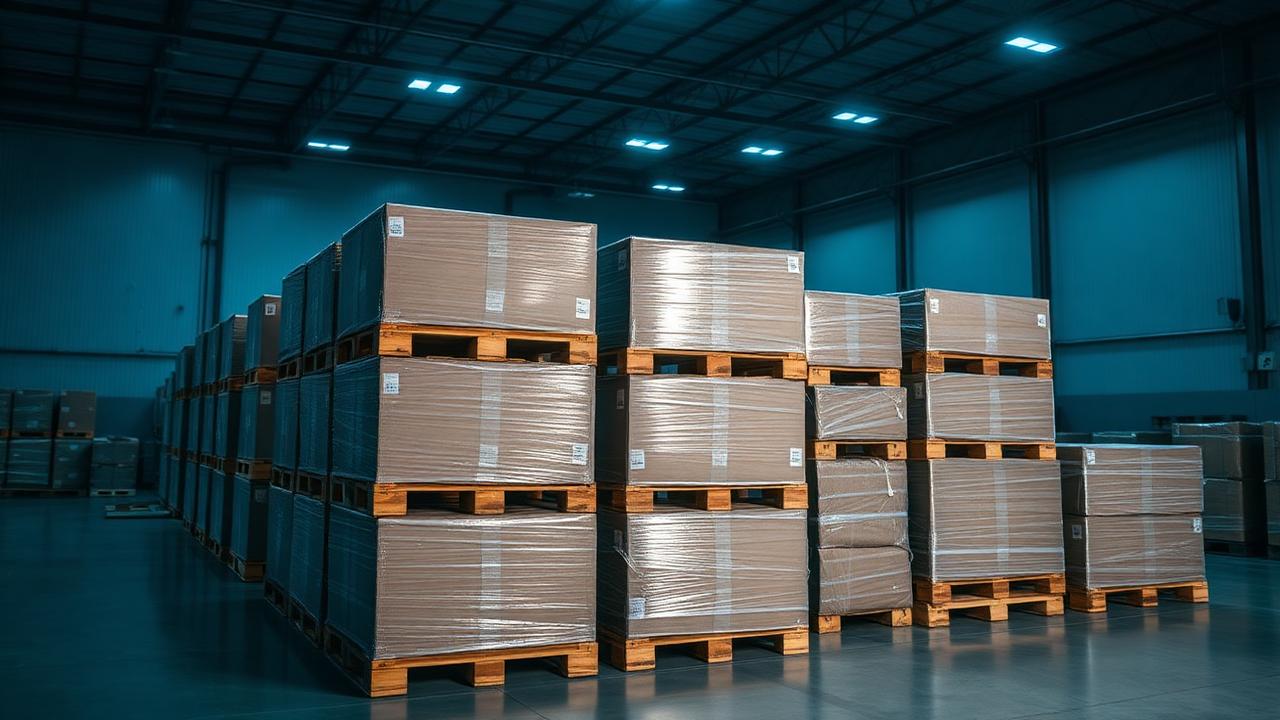
We backed a 16-foot box truck up to a commercial dock in Conley, Georgia last March to pick up a single high-manifest pallet from Home Depot. Purchase price on the B-Stock auction platform was $920. On paper, it was a dream: 28 units, dominated by Milwaukee M18 Fuel kits and DeWalt 20V brushless miter saws. On the floor of our shop, reality hit hard. Five lithium batteries were stone dead and refused to communicate with the chargers. Two drills had burnt-out armatures from contractor abuse.
After three weeks of cleaning, testing, parting out broken units, and listing across eBay and local channels, we cleared $1,840 gross and kept $510 net after shipping and platform fees. Learning how to make money with home depot liquidation pallets isn't about buying blind junk and hoping for miracles. It is a calculated process where your raw material happens to be broken retail returns.
Understanding Home Depot Lots: How to Make Money with Home Depot Liquidation Pallets
Home Depot disposes of millions of dollars in customer returns, store stock clearouts, and shelf pulls through official auction portals like B-Stock and Direct Liquidation every month. These lots are sold as single LTL (less-than-truckload) pallets or full 53-foot dry van truckloads.
Before placing a single bid, you need to understand how the retailer grades their inventory. Home Depot generally breaks down auction lots into three core categories:
- Unused Stock / Overstock: Unopened boxes, box damage only, or display items. Target recovery on these sits high, often 40% to 50% of retail price.
- Customer Returns (Grade A/B): Lightly used or open-box returns. Most items work, but small accessories, manuals, or original packaging might be missing.
- Salvage / Scratch & Dent (Grade C/D): Major defects, missing critical components, or heavy physical wear. Expect a high repair or scrap rate here.
Targeting the right product category matters just as much as the grade. Power tools yield the highest demand and tightest margins, while bulky items like bath vanities or outdoor patio furniture carry freight costs that crush your net margins.
| Category | Top Brands | Expected Recovery | Resale Velocity |
|---|---|---|---|
| Power Tools | Milwaukee, DeWalt, Makita, Ryobi | 35% - 48% | Fast (1-14 days) |
| Outdoor Power | Toro, Ego, Ryobi 40V, Honda | 25% - 35% | Seasonal (Spring/Summer) |
| Plumbing & Fixtures | Kohler, Moen, Glacier Bay | 15% - 25% | Slow (30-90 days) |
| HVAC & Heating | Honeywell, DeLonghi, LG | 20% - 30% | Seasonal (Summer/Winter) |
The Real Math: A Full P&L Breakdown
Let's run the exact numbers on a typical 32-unit mixed power tool customer return pallet originating out of an Indiana distribution center.
To see how to make money with home depot liquidation pallets, you must build freight accessorials, marketplace fees, and scrap rates directly into your cost basis before bidding.
Cost Basis & Freight Setup:
- Winning Auction Bid: $850.00
- Marketplace Buyer Premium (10%): $85.00
- LTL Freight Shipping (350 miles): $195.00
- Liftgate Accessorial Fee: $50.00
- Residential Delivery Fee: $60.00
- Total Landed Cost Basis: $1,240.00
Manifest Processing & Resale Breakdown:
- Total Original Retail Value (MSRP): $4,100.00
- 12 Grade A/B Units (Working, complete): Resold for $1,650.00 total
- 10 Grade C Units (Working, missing charger/case/blade): Resold for $720.00 total
- 6 Grade D Units (Defective, parted out on eBay): Resold for $310.00 total
- 4 Unsellable Units (Scrapped/trash): $0.00
Net Revenue & Margin:
- Gross Resale Cash Flow: $2,680.00
- eBay Selling Fees (~13.25% + $0.30 per order): $362.10
- Outbound Shipping Expense (Seller-paid shipping): $215.00
- Net Revenue After Selling Fees: $2,102.90
- Net Profit ($2,102.90 minus $1,240.00 Landed Cost): $862.90
That leaves an effective return on investment of roughly 69% on your capital, provided you have the workspace and tools to process, test, and ship 28 usable items.
Where Buyers Lose Money on Home Depot Lots
The fastest way to go bankrupt in liquidation is ignoring freight charges and missing component costs.
Consider gas-powered pressure washers or lawn mowers. A customer buys a gas pressure washer, fails to add oil, seizes the engine, and returns it. Home Depot accepts the return and throws it on a pallet. When you receive that 80-pound unit, you cannot ship it cost-effectively via USPS or UPS. If the engine is locked, you are stuck with a giant, heavy steel frame that takes up 6 square feet of shop space and yields maybe $20 in spare parts.
Lithium-ion batteries represent another hidden loss trap. Home Depot tool lots are routinely stripped of working batteries by return fraudulent buyers before they ever leave the store. A Milwaukee M18 6.0Ah battery retails for $150. If three out of four tool combo kits on your manifest are missing their batteries, your resale price drops by 40% immediately while your purchase price remains static.
Bidding Strategy: How to Make Money with Home Depot Liquidation Pallets Without Getting Buried
Never bid on a liquidation lot using total MSRP as your baseline guide. Retail prices listed on manifests are fantasy numbers meant to anchor your expectations high.
Follow these four steps to protect your capital:
- Filter by distance first. Freight charges will destroy a profitable bid. A $500 pallet shipping 1,200 miles with a residential delivery accessorial can cost $450 in shipping alone. Source lots from distribution centers within a single day's transit time.
- Analyze the line items. Run the manifest through a manifest analysis tool like PalletIQ or build your own scraper spreadsheet to calculate realistic eBay sold-comp prices rather than original retail value.
- Cap your max bid at 15-22% of realistic resale value. If a pallet's contents will realistically fetch $2,000 on eBay and local marketplaces combined, your absolute maximum landed cost (bid + fees + freight) should not exceed $440.
- Factor in reconditioning effort. A drill that needs 20 minutes of brake cleaner spraying, battery contact scraping, and testing costs you shop labor. If you spend three hours turning $50 worth of junk into $80 worth of working tools, you are paying yourself less than minimum wage.
If you want to know how to make money with home depot liquidation pallets over the long haul, treat every lot like a balance sheet item. Track your landed cost per unit, hold strict maximum bid limits, and cut loose inventory that doesn't move within 45 days.
Are Home Depot liquidation pallets worth it for beginners?
They can be, provided you stick to single-pallet lots of hand-held power tools rather than bulky freight items or unmanifested mystery gaylords. Beginners should start with local pick-up options or short-distance shipping to keep freight costs from wiping out initial profits.
Where is the official place to buy Home Depot liquidation pallets?
Home Depot operates an official business-to-business liquidation marketplace powered by B-Stock Solutions. You will need a valid state resale certificate and a registered business entity to register, bid, and purchase directly from their distribution centers.
What tools do I need to test power tool liquidation lots?
At minimum, keep a multi-meter for checking battery pack voltages, universal lithium-ion chargers, a bench grinder for blade sharpening, brake cleaner, compressed air, and basic hand tools to teardown non-working units for individual spare parts.
Pallet IQ Editorial Team
We buy, grade and resell liquidation pallets, then turn what we learn into the tools on Pallet IQ. Every guide here comes from real manifests, real bids and real sell through numbers.
Written August 17, 2026, last reviewed October 19, 2026