How to Make Money With Furniture Liquidation Pallets
Furniture liquidation isn't like flipping small electronics. You need floor space, a delivery plan, and a brutal eye for missing hardware before buying your first lot.
By Pallet IQ Editorial Team
Published · Updated
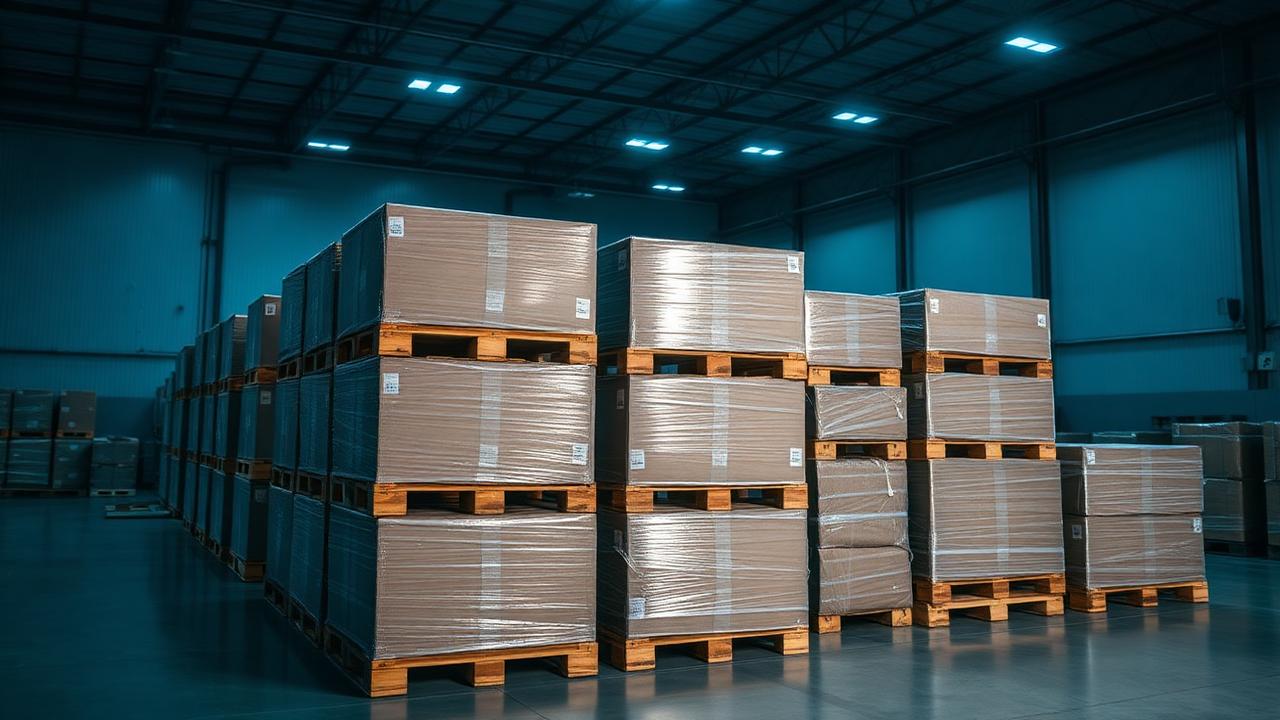 Pallet Reselling
Three years ago, I backed a 26-foot box truck up to a freight terminal in Charlotte to load six pallets of oversized home goods. My winning bid on the manifest was $1,100. I thought I was sitting on a quick four-grand payday. By the time I unpacked three crushed particle-board dressers missing half their dowels, hex keys, and back panels, I realized I’d paid over eleven hundred bucks to haul someone else’s garbage to the county dump. If you want to figure out how to make money with furniture liquidation pallets, you have to throw away the fluff math you see on video feeds. You need real numbers, strict lot filtering, and space to work.
Furniture is a volume game, not a parcel game. When you buy a mixed consumer electronics lot, a single 48x40 skid can easily yield $8,000 in gross retail value. A furniture pallet holds maybe $800 to $2,000 in original retail price, but it hogs four times the physical footprint in your workshop. You cannot stack couch sections four high on standard pallet rack systems.
Category recovery rates reflect this friction. High-demand electronics sit around 25-40% of original sticker price, while hand tools hit 30-45%. Apparel drags along at 8-15%. Furniture lands right in the middle: 20-35% of original retail if you sell locally, and lower if you try to pack and ship items yourself. Why? Freight line items destroy your spread.
When buying Less-Than-Truckload (LTL) freight, base linehaul rates run between $0.80 and $2.50 per mile depending on fuel surcharges and regional lane density. But the linehaul rate is only half the story. Accessorial charges stack up fast:
- Liftgate service at delivery: $50 to $75
- Residential delivery surcharge: $50 to $100
- Limited access surcharge (storage units, farms, restricted gates): $30 to $60
If you win a pallet of furniture for $400 and pay $350 in total freight accessorials, your cost basis doubles before you even slice the shrink wrap.
I rarely bid on unmanifested, customer-return flat-pack furniture lots from big-box stores. When a buyer orders a medium-density fiberboard (MDF) nightstand online, pulls 45 parts out of the box, snaps a cam-lock fastener during assembly, and shoves it all back in the box for a refund, that item is dead stock. You cannot reliably re-sell a half-assembled particleboard cabinet missing its custom hardware bag.
Instead, look for Grade A or B overstock or solid-wood returns from mid-to-high tier brands.
Here is how standard liquidation condition grades break down in practice:
- Grade A (Overstock/Shelf Pulls): Factory sealed, complete hardware, minimal shelf wear on outer cartons.
- Grade B (Open Box / Like New): Returned but structurally complete. Box may be heavily taped or battered. Minor scratches on non-visible surfaces.
- Grade C (Used / Defective): Visible scuffs, missing hardware bags, broken legs, or moderate gouges. Requires shop repairs or refinishing.
- Grade D (Salvage): Fractured frames, cracked laminates, missing structural panels. Good only for spare hardware or scrap.
Different furniture sub-categories yield wildly different return rates on the secondary market:
| Furniture Sub-Category | Recovery Rate Range | Primary Sales Channel | Refurbishment Effort |
|---|---|---|---|
| Solid Wood Dining Tables | 30% - 45% | Facebook / Local Pickup | Light sanding, touch-up pen |
| Flat-Pack MDF Cabinets | 10% - 20% | Local Cash / Flea Market | High (sorting bolts, rebuilding) |
| Upholstered Sofas & Chairs | 25% - 40% | OfferUp / Local Delivery | Steam cleaning, fabric shaving |
| Office Desks & Chairs | 20% - 35% | Facebook / Local Businesses | Deep cleaning, cylinder swaps |
How to Make Money With Furniture Liquidation Pallets: The Real P&L
Let me show you a real P&L run on a typical four-pallet lot of mixed retail overstock and open-box home furniture. The manifest lists 18 units with a combined original retail value (MSRP) of $4,200.
Here are the exact numbers on that truck run:
Expenses:
- Winning Bid: $650.00
- LTL Freight (320 miles linehaul): $285.00
- Liftgate Fee: $65.00
- Residential Delivery Charge: $50.00
- Hardware assortments & touch-up markers: $40.00
- Total Cost Basis: $1,090.00
Inventory Recovery & Sales Math:
- 4 units sold as Grade A (Overstock, MSRP $1,200) -> Sold at 50% MSRP = $600.00
- 8 units sold as Grade B (Minor scuffs, MSRP $1,800) -> Sold at 35% MSRP = $630.00
- 3 units sold as Grade C (Rebuilt/missing parts, MSRP $800) -> Sold at 20% MSRP = $160.00
- 3 units scrapped / unsellable (MSRP $400) -> $0.00
- Gross Item Revenue: $1,390.00
Platform Fees & Logistics Net:
- Facebook Marketplace local sales (Cash on pickup): $0.00 platform fees
- OfferUp promoted listings / local fuel: $35.00
- Local delivery charges collected from buyers (2 deliveries @ $30 each): +$60.00
Final Net Outcome:
- Total Cash Collected: $1,450.00 ($1,390 inventory + $60 delivery fees)
- Total Expenses: $1,090.00
- Net Profit: $360.00
- Net Margin: 24.8%
Notice what happened. You didn't make three grand on a $4,200 manifest. You cleared $360 in cash after scrap loss and freight costs. If you paid $150 a month for a public storage unit to hold those four large skids while waiting two months for them to move, your profit disappears.
Advanced Tactics: How to Make Money With Furniture Liquidation Pallets
The biggest failure point in home goods flipping is space decay. Small items like shoes or hand tools sit on a shelf for six months without choking your workflow. A sectional sofa or a six-drawer dresser eats up 30 square feet of real estate the second you roll it off the pallet jack. If your inventory turnover rate drops past 21 days, space constraints stop you from buying new stock. You end up panic-slashing prices on clean goods just to clear floor space.
The second trap is missing hardware. A manifest might list six mid-century modern sideboards. Sounds fantastic until you pop the seals and discover four of them lack their custom 12mm bronze hinge brackets. If you cannot source matching parts at a hardware store or online, you are holding an un-assemblable pile of finished wood.
Before taking delivery of complex lots, stock up on universal hardware assortments: metric furniture bolts, wood dowels, cam-lock screws, felt pads, and leg mounting plates. Keep a spray bottle of upholstery cleaner, an electric lint shaver, and wood touch-up pens in oak, walnut, and dark espresso near your staging table.
You cannot list heavy furniture on national platforms with ease. Selling an 85-pound dining table on eBay means facing ~13.25% plus $0.30 in transaction fees, plus severe carrier dimensional weight penalties that eat your profit if the customer is three shipping zones away. Mercari takes 10%, but oversized freight logistics still choke your margins.
Stick to hyper-local channels instead:
- Facebook Marketplace: The primary venue for home furnishings. Take bright photos with simple staging, like putting a vase or lamp on a side table.
- OfferUp: Good for fast cash sales and local buyers willing to load heavy items into their own trucks.
- Local Saturday Warehouse Sales: If you have a commercial bay or garage, open your bay doors every Saturday morning. Price items to move fast and clear floor space for next week's delivery.
Offer local driveway delivery for a flat $30 to $50 fee within a 15-mile radius. Most furniture shoppers drive small sedans and cannot carry a six-drawer dresser or patio set home. Charging $40 for delivery covers your fuel, puts $25 profit in your pocket, and closes sales faster than sellers who insist on pickup only.
Before placing bids on large lots, run the manifest data through a manifest analysis tool like PalletIQ to instantly filter out high-risk flat-pack lines and flag heavy LTL weight surcharges before committing cash.
If you filter manifests for solid construction, control your LTL accessorials, and run direct local delivery routes, mastering how to make money with furniture liquidation pallets becomes a consistent, predictable business model.
How do I handle missing assembly instructions or hardware on return pallets?
Search the model number online to find downloadable PDF manuals from the manufacturer. For missing hardware, use multi-spec furniture repair kits containing standard metric bolts, wooden dowels, and cam-lock connectors. If a piece requires proprietary brackets that are unavailable, sell it at a deep discount as a DIY builder piece or strip it for parts to repair higher-margin inventory.
What tools do I need to refurbish damaged furniture quickly?
Keep a wood repair kit with fill-sticks and stain touch-up markers in common finishes like walnut, oak, and espresso. A portable upholstery steam extractor cleans dirt and light stains from chairs, while an electric fabric shaver removes pilling from cushions in a few minutes.
Do I need a commercial warehouse to liquidate furniture pallets?
No, but you need a minimum of a clean two-car garage or ground-level storage space. Furniture skids are wide and cannot be stacked safely without heavy-duty industrial pallet racking. Plan for roughly 100 square feet of clear floor space per pallet to handle unboxing, repairs, staging, and photography.
Pallet IQ Editorial Team
We buy, grade and resell liquidation pallets, then turn what we learn into the tools on Pallet IQ. Every guide here comes from real manifests, real bids and real sell through numbers.
Written August 17, 2026, last reviewed October 19, 2026