How to Make Money with Amazon Return Pallets: Real Math
Most buyers lose money on their first three Amazon pallets because they forget freight accessorials and marketplace fees. Here is how we clear a profit.
By Pallet IQ Editorial Team
Published · Updated
 Liquidation Strategy
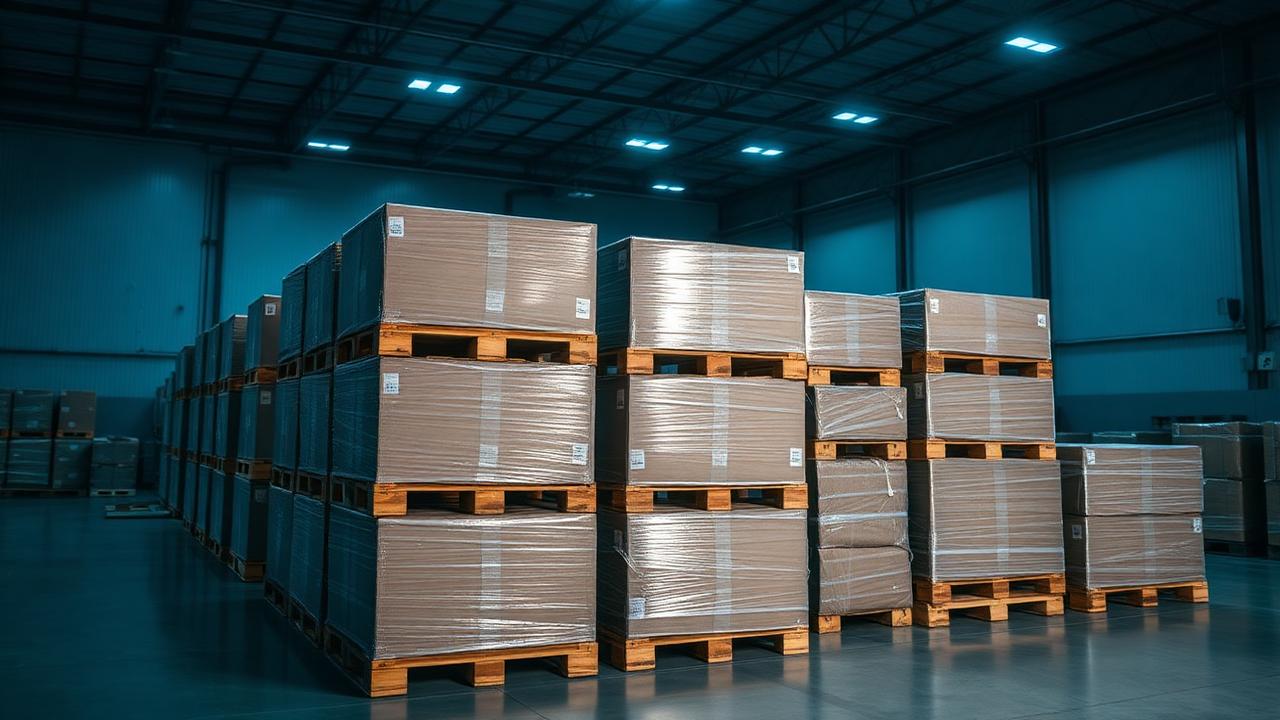
I lost $420 on my second Amazon return pallet. It was a 42-unit mixed small-appliance lot out of an Indiana return center that looked pristine in the auction thumbnail. Once the LTL driver dropped the Gaylord in my driveway, I realized 18 of the box tops were taped shut with masking tape, a dead giveaway that a customer swapped an older broken model before shipping it back.
If you want to know how to make money with amazon return pallets, you have to stop viewing these lots like scratch-off tickets. They are bulk processing operations. You win on the math, not on luck.
Every week, thousands of truckloads leave Amazon fulfillment centers packed with buyer remorse, customer swaps, damaged packaging, and overstock. To turn that chaos into cash, you need a system for bidding, testing, and listing that survives real-world expenses.
Grading the Chaos (Understanding Amazon Return Conditions)
Liquidation auctions grade inventory across four main tiers. If you bid on a lot without knowing these definitions, you will end up buying trash at premium prices.
- Grade A (Overstock/Open Box): Brand new or pristine condition. The box was opened, looked at, and returned. Expect 80-90% yield.
- Grade B (Minor Cosmetic): Light scratch-and-dent. The item works, but the retail box is shredded or missing original accessories. Expect 60-70% yield.
- Grade C (Major Defects): Customer swaps, missing vital power supplies, or heavy physical wear. Expect 30-40% yield.
- Grade D (Salvage/Scrap): Broken housing, snapped circuit boards, or incomplete sets. Yield is under 15%.
Category recovery rates vary wildly. Do not expect to make electronics money on apparel lots.
Apparel yields 8-15% of original retail because clothing returns are notoriously hard to inspect, prone to stains, and often missing tags. Consumer electronics run 25-40% of original retail due to fast testing cycles and high buyer demand. Power tools sit sweet at 30-45% recovery because mechanics and DIYers will buy broken units just for spare parts or bare tools.
Manifest Analysis: Spotting Trash Before Bidding
Never buy an unmanifested mystery box unless you are paying strictly scrap weight prices. An official manifest is your only insurance policy.
When reviewing a manifest, look for duplicate stock keeping units (SKUs) and line-item prices. If a lot lists twenty identical high-end coffee makers, ask yourself why one facility processed twenty returns of the same machine. It usually points to a product recall or a manufacturing defect that renders the entire batch unsellable.
We run every candidate lot through a manifest analysis tool like Pallet IQ to parse raw historical resale data, estimate realistic marketplace fees, and calculate net yield before placing a bid. Processing a 300-line spreadsheet manually takes hours you do not have when an auction clock is ticking down.
| Category | Avg Recovery Rate | Top Resale Channel | Risk Level |
|---|---|---|---|
| Power Tools | 30% - 45% | eBay / Local | Low |
| Consumer Electronics | 25% - 40% | eBay / Mercari | Medium |
| Small Housewares | 20% - 35% | Facebook Marketplace | Low |
| Apparel & Footwear | 8% - 15% | Poshmark / Depop | High |
| Lawn & Garden | 25% - 35% | Local Pickup Only | Medium |
Look closely at the category distribution in the table above. If a manifest is 80% soft goods and 20% electronics, do not bid based on the electronics value. Price the entire pallet based on the lowest-margin category.
Real Freight Math: How Fees Kill Your Profit Margin
Winning a pallet for $300 feels great until the freight bill arrives at $450. Less-Than-Truckload (LTL) shipping is where amateur resellers lose their shirt.
Base LTL freight typically runs $0.80 to $2.50 per mile depending on fuel surcharges and carrier capacity. But the linehaul cost is only the starting point. Carriers tag on accessorial fees for anything outside a standard commercial loading dock setup:
- Residential Delivery Fee: $50 to $100
- Liftgate Service: $50 to $75
- Limited Access Fee: $30 to $60
If you receive a pallet at your house without a forklift, you pay both the residential and liftgate fees. Suddenly, a cheap pallet costs $850 landed.
Once you sell an item, marketplace fees take another chunk. eBay takes roughly 13.25% plus $0.30 per order. Amazon seller fees hover around 15%. Mercari takes 10%, while local sales on Facebook Marketplace charge 0% for cash transactions but require manual labor and time spent answering messages.
P&L Breakdown: How to Make Money with Amazon Return Pallets Step by Step
Let us run through a real, fully worked transaction on a single 48-unit consumer electronics and small appliance lot out of an Indiana regional distribution center.
Upfront Costs
- Winning Auction Bid: $610.00
- Buyer Premium (10%): $61.00
- LTL Freight Charges: $145.00
- Residential + Liftgate Accessorials: $110.00
- Total Landed Cost Basis: $926.00
Processing and Manifest Yield
- Total Original Retail Value (MSRP): $3,950.00
- Units Processed: 48 units
- Tested & Working (Grade A/B): 28 units (Total Resale Value: $1,680.00)
- Repairable / Missing Parts (Grade C): 11 units (Total Resale Value: $330.00)
- Scrap / Unsellable Trash (Grade D): 9 units (Resale Value: $0.00)
- Gross Realized Sales: $2,010.00
Platform Fees & Expenses
- eBay Marketplace Fees (~13.25% on $1,500 sold online): $198.75
- Facebook Marketplace / Local Sales Fees ($510 sold locally): $0.00
- Shipping Supplies (Boxes, Bubble Wrap, Tape): $42.00
- Total Selling Costs: $240.75
Final P&L Calculation
- Gross Revenue: $2,010.00
- Minus Total Landed Cost Basis: -$926.00
- Minus Total Selling Costs: -$240.75
- Net Cash Profit: $843.25
This specific lot yielded a 91% return on capital and a net margin of 41.9% on gross sales. Notice that 9 out of 48 items went straight into the dumpster. If you do not factor a 15-20% discard rate into your initial bid, your net profit will evaporate.
How This Goes Wrong: The Salvage Trap
The fastest way to burn out in this business is buying customer return lots without testing infrastructure. You buy a pallet of smart home devices, open the boxes, and realize every single item requires a proprietary power supply or a smartphone app connection to test.
Here is how resellers get trapped:
- Testing Bottlenecks: You spend 45 minutes testing a single $25 blender. By the time you fix the blade assembly and clean the base, you earned $4 an hour.
- Underestimating Shipping Sizes: Oversized items like lawn mowers or vacuums cost $40+ to ship across country zones. If you offer free shipping on eBay, an unexpected zone jump wipes out your entire margin.
- False Manifest MSRPs: Liquidators often list original retail prices from five years ago. A digital camera listed with an original MSRP of $400 might sell brand-new on Amazon today for $89.
If you see a lot composed of unmanifested Gaylords packed with loose power cords and unboxed plastics, walk away. That is lower-tier salvage that has already been cherry-picked by a larger warehouse buyer.
Testing, Listing, and Liquidating Fast
Speed is key to maintaining positive cash flow. When a pallet hits your floor, implement a strict three-day triage rule.
Day one is dedicated to teardown and inventory grading. Separate items into four clear bins: Immediate List (working, complete), Test Required (needs power/bench test), Parts/Repair (broken but high individual component value), and Trash.
Day two focus on testing and photography. Batch your testing workflow. Test all power tools with a multi-voltage bench power supply in one single block of time. Clean cosmetic scuffs with isopropyl alcohol and magic erasers.
Day three is for cross-listing. High-value, light-weight items go straight to eBay or Mercari. Heavy, low-margin items go directly onto Facebook Marketplace or OfferUp for quick local cash pick-up.
Understanding how to make money with amazon return pallets comes down to controlling your landed costs and protecting your labor time. Treat every shipment like an audit, run the numbers ruthlessly, and never pay prime prices for unverified inventory.
Where do you buy official Amazon return pallets?
You can bid directly on official Amazon liquidation auctions through sites like B-Stock Solutions (Amazon Liquidation Auctions network), BULQ, or Direct Liquidation. You usually need an active state resale certificate to register and avoid paying sales tax on your purchases.
Do I need a business tax ID or resale certificate?
Yes, most major direct liquidation platforms require a state-issued resale certificate or Sales and Use Tax ID before letting you place a bid. This certificate allows you to buy inventory tax-free, as long as you collect sales tax when selling items to end consumers.
What tools do I need to test electronic returns?
A basic, effective testing kit includes a digital multimeter, a universal AC/DC power adapter with multiple barrel plugs, isopropyl alcohol (99%), microfiber cloths, tape measure, digital shipping scale, and extra AA/AAA batteries. Having these tools ready cuts testing time per item down to under three minutes.
Pallet IQ Editorial Team
We buy, grade and resell liquidation pallets, then turn what we learn into the tools on Pallet IQ. Every guide here comes from real manifests, real bids and real sell through numbers.
Written August 22, 2026, last reviewed October 19, 2026