How to Inspect Walmart Liquidation Pallets Before Bidding
I lost $1,100 on my first Walmart returns lot because I trusted retail MSRPs instead of manifest LPN codes. Here is the exact inspection framework I use today.
By Pallet IQ Editorial Team
Published · Updated
 Buying Guides
A 48-unit mixed kitchenware lot out of a Bentonville return facility landed at my dock last November. The manifest listed $4,200 in original retail value. On paper, paying $750 looked like a slam dunk. In reality, three Ninja blenders were missing their blades, a De'Longhi espresso machine had dry coffee grounds caked inside the internal pump, and six crockpots had shattered glass lids. After tossing the junk and paying LTL freight, my margins evaporated.
Learning how to inspect walmart liquidation pallets before hitting the bid button is the difference between pulling a 30% net margin and paying $400 to haul trash to the county dump. Walmart moves billions in surplus inventory annually through official auction channels. That scale creates massive opportunity, but it also creates a dump site for broken store returns if you do not know how to read the fine print.
Here is the exact inspection framework we use to grade Walmart lots, spot hidden junk, and calculate real landed costs before placing a single dollar on an auction.
Decoding the Manifest: How to Inspect Walmart Liquidation Pallets
The manifest is your first line of defense. Walmart manifests are generally more detailed than unmanifested mystery boxes, but you have to know how to translate corporate stock keeping units into real market demand. You can browse live auction streams on B-Stock to see raw Walmart manifests, but raw data requires filtering.
Start by checking the UPCs against live completed listings, not original retail prices. A floor care item listed at $299 MSRP might actually sell for $110 brand new on current clearance. If you base your maximum bid on original retail value, your margin projections will fail immediately. Before placing an offer, run the itemized list through a manifest analyzer to strip out inflated MSRPs and establish a true market baseline.
Next, look at unit concentration. A pallet with 150 items sounds high value until you realize 120 of those items are $4 phone cables or open box bed sheets. You want high density of medium value goods ($40-$150 resale range) where testing and cleaning add real margin.
Pay close attention to the source facility. Lots originating from a regional return center often contain raw customer returns with higher defect rates. Inventory coming straight from a fulfillment center usually consists of overstock or box damage, which yields a much higher percentage of Grade A items. If you are new to trade terms like Grade A overstock versus salvage, check our liquidation glossary before bidding.
Visual Inspection Tactics for Digital Manifest Photos
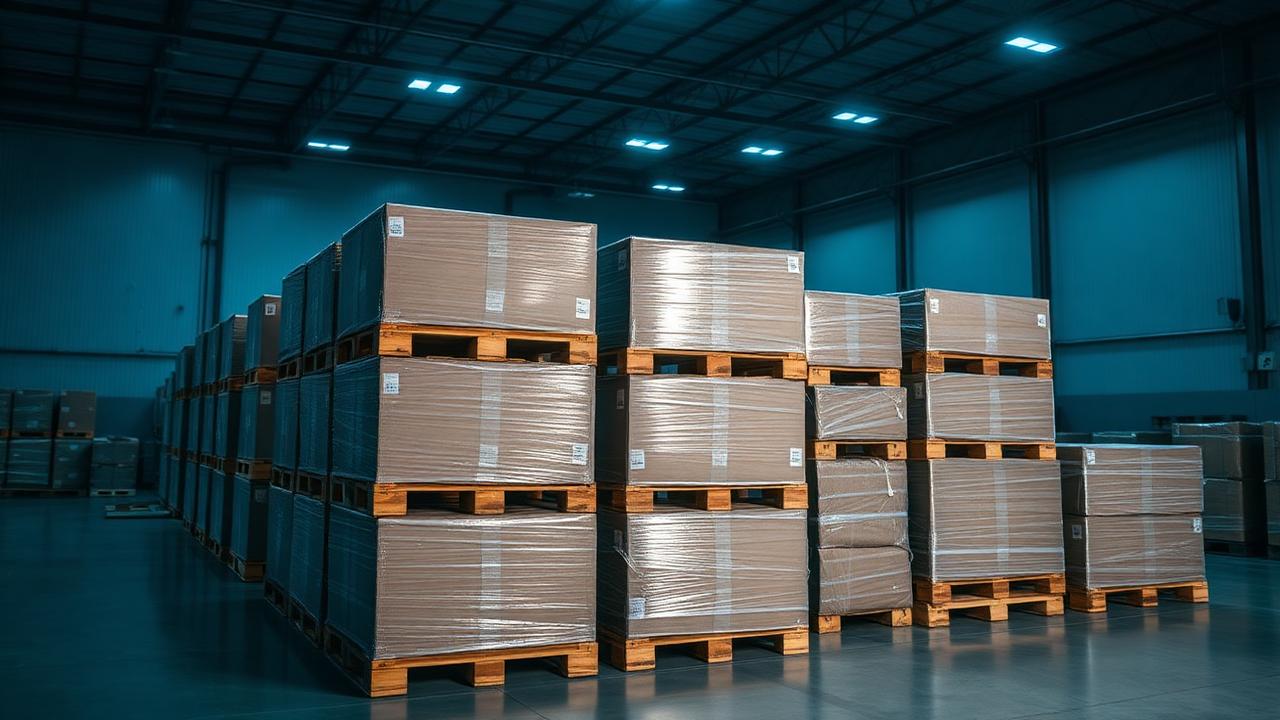
Most buyers bid remotely and never see the wood until the truck arrives. That means your visual inspection relies entirely on three to six compressed photos attached to the auction listing.
Zoom in on the shrink wrap first. Original black or clear factory wrap pulled tight means the pallet was stacked at the distribution center and untouched since. Loose, hand-cranked wrap with multiple layers of uneven tape indicates a re-sorted lot. Re-sorted lots often mean someone already picked the high-margin electronics out of the stack.
Look for LPN stickers. An LPN, or License Plate Number, is the barcode label store employees slap on returned items. If every box in the photo has a bright yellow or white LPN tag plastered over the retail graphics, that pallet is 100% raw store returns. Expect missing accessories, torn retail packaging, and a baseline 20% defect rate.
Inspect the bottom boxes on the pallet. Heavy items like pressure washers or mini fridges crushed into bottom corner boxes signal rough transit. If the bottom boxes are buckled, the internal gear inside those units took the load impact during transit from the store to the return hub.
You can research specific regional sourcing patterns across our directory of liquidation pallets by retailer to see how different hubs stack their freight.
Walmart Returns P&L: A Real-World Unit Economics Breakdown
Never evaluate a lot based on the winning hammer price alone. Freight and platform fees can double your actual cost basis. According to data from the U.S. Census retail sales reports, e-commerce returns continue to crest historical highs, meaning the volume of returned goods is larger, but processing quality at return hubs can vary wildly.
Here is a breakdown of average recovery rates across major Walmart categories based on real warehouse processing data:
| Category | Realistic Recovery Rate | Expected Defect Rate | Best Primary Resale Channel |
|---|---|---|---|
| Small Appliances | 30-45% | 15-25% | eBay, Local Marketplace |
| Consumer Electronics | 25-35% | 20-30% | eBay, Mercari |
| Lawn & Power Tools | 35-50% | 10-20% | Local Pickup, Facebook |
| Apparel & Soft Goods | 10-18% | 5-10% | Poshmark, Flea Market |
| Toys & Seasonal | 20-35% | 15-20% | Amazon FBM, Local |
Let us look at a worked example for a 36-unit small appliance pallet won out of a South Carolina facility.
Financial Inputs:
- Winning Auction Bid: $650.00
- LTL Freight (340 miles): $240.00
- Liftgate Accessorial Fee: $65.00
- Residential Delivery Accessorial Fee: $55.00
- Total Landed Cost: $1,010.00
Inventory Processing & Sales Breakdown:
- Unsellable / Broken Trash (20% / 7 units): $0.00 gross
- Parts / Repair Grade D (15% / 5 units @ $25 avg): $125.00 gross
- Working Used / Refurbished Grade B/C (65% / 24 units @ $68 avg): $1,632.00 gross
- Total Gross Revenue: $1,757.00
Operating Expenses & Fees:
- Marketplace Selling Fees (eBay seller fees avg ~13.25% + $0.30 per order across 29 orders): $241.20
- Outbound Shipping Subsidies & Boxes: $180.00
- Total Expenses: $421.20
Net Profit Calculation:
- Gross Revenue ($1,757.00) minus Landed Cost ($1,010.00) minus Expenses ($421.20) = $325.80 Net Profit.
- Net ROI: 32.2% on invested capital.
Before bidding on similar lots, plug your numbers into a pallet ROI calculator to ensure you leave enough cushion for accessorial shipping charges. An extra $100 in carrier fees turns a modest profit into a break-even headache.
Where This Inspection Process Fails: Common Failure Modes
Even experienced buyers get burned when they skip steps or make lazy assumptions. The overall retail environment sees massive return volumes every year, a trend highlighted in the NRF consumer returns report. Retailers must process these volumes rapidly, which means mistakes end up on the manifest.
The most common failure mode is trusting manifest descriptions for high-value electronics. A manifest row reading "Apple iPad Pro 12.9 - Returned" might literally be a box containing an iPad, but the customer may have swapped the device for an older model before handing it back to the customer service desk. Store associates rarely pull open every box to verify serial numbers before throwing the item into a salvage gaylord. When inspecting manifests with high-end tech, assume at least one or two premium items are either missing, locked to an iCloud account, or replaced with junk.
Another trap is ignoring freight accessorials. If you do not have a commercial dock or a forklift at your drop point, carriers will slap you with liftgate charges ($50-$75) and limited access fees ($30-$60). You can estimate these logistics hits using a shipping cost calculator before your auction closes.
Finally, resellers fail when they over-index on slow-moving inventory. If a pallet is packed with obscure replacement filters or single-use seasonal items, your holding costs will eat your profit margin. Always use a holistic framework like our buying decision guide to balance unit margin against real-world conversion speed.
Final Pre-Bid Checklist for How to Inspect Walmart Liquidation Pallets
Before you submit your final bid on any Walmart return lot, walk through this quick checklist:
- Validate 100% of the top 5 manifest items by checking recent sold listings, not active asking prices.
- Deduct a mandatory 20% trash factor from your total projected gross revenue.
- Add liftgate, residential, and fuel surcharge fees directly to your base LTL freight estimate.
- Confirm whether the source origin is an overstock fulfillment hub or a customer return facility.
- Run your ceiling price through a maximum bid calculator and stick to your limit.
If the math does not show a clear path to at least a 30% net return after freight and platform fees, walk away. Another lot will roll off the truck tomorrow.
Frequently Asked Questions
What is the average recovery rate on Walmart customer return pallets?
Average net recovery across general merchandise and small appliances sits between 25% and 40% of original retail value. High-defect categories like uninspected electronics tend to lean closer to 20-30%, while hardware and home goods often yield higher returns. For a deeper breakdown by category, read our comprehensive recovery rate report.
How do I spot salvaged items versus simple open box returns?
Look for red or orange salvage tags alongside the standard store LPN barcodes. If the manifest lists items as Salvage or Grade D, expect heavy box damage, missing cords, and broken internal components. Open box or overstock goods usually retain their original factory tape without secondary store labels covering the product text.
Can I inspect Walmart liquidation pallets in person before placing a bid?
Most official Walmart liquidation streams sold through online auction platforms do not allow in-person warehouse walk-throughs prior to bidding. Buyers must rely on manifest lists, facility origin notes, and photo sets provided on the listing page. If local pickup is offered by a secondary liquidator in your city, always inspect shrink wrap integrity and box bottom crush before loading.
Pallet IQ Editorial Team
We buy, grade and resell liquidation pallets, then turn what we learn into the tools on Pallet IQ. Every guide here comes from real manifests, real bids and real sell through numbers.
Written September 4, 2026, last reviewed October 19, 2026