How to Inspect Kohl's Liquidation Pallets
We audited a 412-piece Kohl's lot out of Ohio. Here is how to spot missing parts, inflated MSRPs, and scrap clothing before placing your bid.
By Pallet IQ Editorial Team
Published · Updated
 Inspection Guides
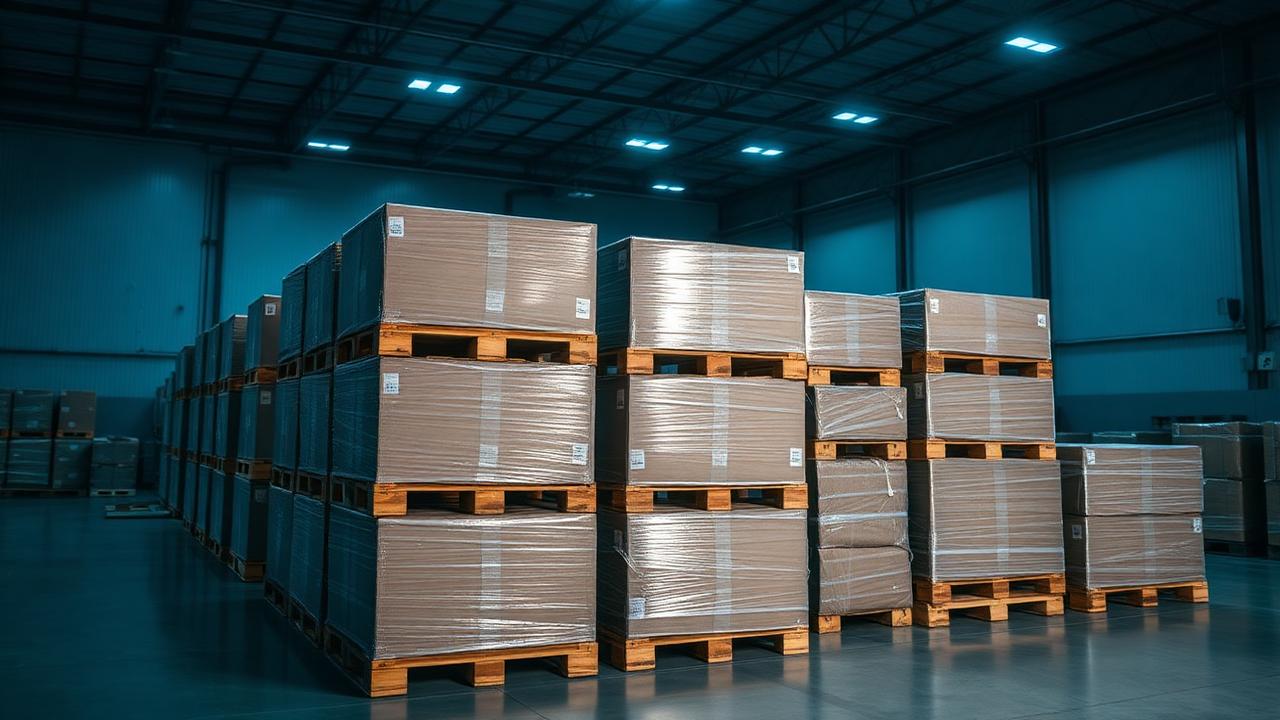
Three months ago, a 412-piece mixed home and apparel lot out of an Ohio distribution center landed at our warehouse bay. On paper, the original retail value totaled $14,200. On the floor, it was two tall gaylords wrapped in black stretch film containing everything from Ninja air fryers to single shoes and stained fleece sweaters. Learning how to inspect kohls liquidation pallets is the only thing standing between a 40% net margin and paying $900 in freight to haul away a retail chain's garbage.
Kohl's inventory behaves differently than return lots from Amazon or Target. You are dealing with a distinct mix of heavy private-label apparel, mid-tier store return electronics, and housewares that carry artificially high original sticker prices. If you bid on raw retail values without pulling apart the manifest, you will burn your working capital fast.
The Anatomy of a Kohl's Liquidation Manifest
Before you bid on auctions through platforms like B-Stock, you need to understand what Kohl's actually puts on their manifests. A standard manifest lists the item title, UPC, original retail price, and sometimes a vendor stock number.
What the spreadsheet does not tell you is the condition breakdown. In the liquidation trade, an untested customer return tag means anything from a box opened once for color verification to an air fryer caked in two-year-old pork grease with a severed power cord. According to NRF returns research, retail return rates consistently hover near 14-16%, but the unsellable fraction jumps sharply in small electrics.
When reviewing a manifest, run every single line through a manifest analyzer or manual spreadsheet filter. Look for these specific inventory clusters:
- Private Label Apparel: Brands like Sonoma, Croft & Barrow, LC Lauren Conrad, and Apt. 9. These carry inflated retail prices on the manifest ($48 for a basic cardigan), but their realistic second-hand resale value is $6 to $12.
- National Apparel & Activewear: Nike, Under Armour, Levi's, and Columbia. These hold resale value well, but watch out for store-worn items or cut care tags.
- Small Kitchen Appliances: Ninja, Keurig, PowerXL, and Toastmaster. Demand is steady, but missing parts are common.
- Home Textiles: St. Nicholas Square, Food Network linens, and bedsheets. High volume, but open packages often mean missing pillowcases or store display dirt.
Step-by-Step: How to Inspect Kohl's Liquidation Pallets Before Bidding
When evaluating a lot online, your main line of defense is photo analysis and line-by-line spreadsheet sorting.
Step 1: Strip Out the Kohl's House Brand Markup
Kohl's operates on a heavy promotional pricing model. Nobody pays the $60 sticker price for a Sonoma flannel shirt in a retail store, so you cannot base your expected yield on that number.
When calculating potential revenue, discount all Kohl's private-label apparel MSRPs by at least 75% to 80% immediately. If an apparel piece claims a $40 retail value, model your gross resale at $6 to $8 on local marketplaces or Poshmark. Historical data from our recovery rate report shows that soft goods from mid-tier department stores recover between 8% and 15% of original sticker value.
Step 2: Spot Check the Kitchen Appliance Model Numbers
Small kitchen appliances carry high dollar values, but broken heating elements or missing accessories destroy profit margins. Filter the manifest for high-ticket electronics like Ninja Foodi pressure cookers or Keurig coffee makers.
Search the exact model numbers on eBay to verify sold prices for used or parts-only condition, rather than brand-new condition. A Ninja air fryer that retails for $180 new might sell for $65 used on eBay, and only $25 if missing the frying basket.
Step 3: Scrutinize the Pallet Photos for Box Condition
auction photos tell a stories if you know where to look. Zoom in on the edges of the gaylord boxes:
- Look for red or yellow store return stickers. Multiple stickers stacked on top of each other indicate an item was returned, re-processed, put back on the sales floor, and returned a second time.
- Check for crushed box bottoms. If heavy appliances are packed on top of soft apparel, expect crushed packaging and torn clothing tags at the bottom of the pallet.
- Watch for loose footwear. Kohl's shoe pallets often contain single un-matched shoes from fitting room sweepings. If you see unboxed loose shoes thrown into the top of a gaylord, assume a 15-20% single-shoe loss rate.
Post-Arrival Audit: How to Inspect Kohl's Liquidation Pallets on the Floor
Once the freight truck drops the lot at your dock, the hands-on inspection begins. Do not list a single item until you complete a structured intake audit.
- Weigh and count the gaylords before breaking them down to confirm they match the freight bill.
- Sort inventory into three distinct streams: Tested Working / New, Repairable / Used, and Scrap / Parts.
- Clean and test kitchen appliances immediately using a dedicated power strip and water station.
- Inspect apparel seams, armpits, and necklines for deodorant stains, wear, or cut tags.
- Log all missing components (power cords, blender lids, remote controls) before creating listings.
| Category | Expected Salvage/Defect Rate | Top Resale Platforms | Target Recovery Rate |
|---|---|---|---|
| Kitchen Appliances | 20-35% missing parts or broken | eBay, Mercari | 30-40% of MSRP |
| Private Label Apparel | 5-10% stained or damaged | Poshmark, eBay, Local Flea | 10-18% of MSRP |
| National Brand Footwear | 15-25% single shoes or wear | eBay, Whatnot | 25-35% of MSRP |
| Home Linens & Bedding | 10-15% opened or missing pieces | Local Marketplace, Flea | 15-25% of MSRP |
Real P&L Example: Auditing a 350-Piece Kohl's Lot
Let's walk through the exact balance sheet of a lot we won out of an Indiana logistics hub. This lot contained a typical mixed payload: 180 apparel pieces, 45 small electrics, 30 pairs of shoes, and 95 home items.
Acquisition Costs
- Winning Bid Price: $1,150.00
- LTL Freight Charges: $240.00
- Residential Accessorial Fee: $50.00
- Liftgate Accessorial Fee: $50.00
- Total Landed Cost Basis: $1,490.00
You can estimate freight accessorial charges accurately using a shipping cost calculator before placing your final bid, which prevents carrier billing surprises from vendors like FedEx Freight.
Audit Results & Scrap Loss
Upon physical inspection, we discovered the following:
- 12 small appliances had broken heating elements or cracked plastic housings (dumped for parts).
- 6 pairs of shoes were missing their matching mate.
- 14 apparel items had permanent ink stains or torn seams.
- Total unsellable scrap rate: 9.1% of total unit count.
Resale Breakdown & Net Yield
- 45 Small Electrics (33 working units sold on eBay): $1,480.00
- 180 Apparel Pieces (166 sellable units, averaged $7/unit across Poshmark and local flea market): $1,162.00
- 30 Pairs of Shoes (24 matched pairs sold on eBay): $620.00
- 95 Home Items (81 units sold locally): $580.00
- Gross Revenue Realized: $3,842.00
Expenses & Platform Cut
- Selling Fees (averaging 13.25% + fixed order fees via eBay seller fees and Poshmark): $512.00
- Outbound Shipping Subsidies & Packing Supplies: $380.00
- Total Operating Expenses: $892.00
Net Profit Decision
- Net Revenue ($3,842.00 minus $892.00 fees): $2,950.00
- Net Profit ($2,950.00 minus $1,490.00 cost basis): $1,460.00
- Net Return on Investment: 97.98%
By plugging your numbers into a pallet ROI calculator prior to bidding, you can identify your hard ceiling and walk away from overpriced auctions.
How This Goes Wrong: Common Inspection Blindspots
The most common failure mode when buying Kohl's inventory is overestimating private-label apparel turnaround speeds. Storing 200 medium-size Croft & Barrow sweaters in your garage while waiting for $15 sales will stall your working capital.
Another trap is failing to calculate dimensional weight on home goods. A boxed bed-in-a-bag or decorative lamp takes up massive real estate on your shelves and incurs steep outbound shipping costs. If you buy oversized home items without calculating shipping costs first, shipping fees will wipe out your profit margins entirely.
If you find yourself caught in a bad lot, lower your prices quickly to clear cash for the next load. Use a maximum bid calculator on your next lot to keep your risk low.
Knowing how to inspect kohls liquidation pallets keeps your storage space clear of dead weight and ensures every dollar tied up in inventory turns over as fast as possible.
What is the average scrap rate on Kohl's customer return pallets?
Expect a 10% to 25% scrap or defect rate on Kohl's mixed return pallets. Small electronics and loose footwear consistently sit at the higher end of that range, while soft apparel and folded linens generally experience lower scrap rates.
Are Kohl's private label apparel items worth listing individually online?
Generally, no. Listing low-value store brands individually on platforms like eBay or Poshmark absorbs too much time in photographing and packaging. It is far more profitable to bundle house brands into multi-piece lots or sell them locally at a flea market or yard sale.
How do I check if a Kohl's appliance was recalled?
Search the appliance brand, model number, and manufacturer code on the Consumer Product Safety Commission website before listing any returned electrical item. Selling recalled products is illegal and can lead to permanent marketplace account suspensions.
Pallet IQ Editorial Team
We buy, grade and resell liquidation pallets, then turn what we learn into the tools on Pallet IQ. Every guide here comes from real manifests, real bids and real sell through numbers.
Written September 6, 2026, last reviewed October 19, 2026