How to Flip Toy Liquidation Pallets for Real Profit
I bought 180 Hasbro board games and learned the hard way how seasonality, crushed boxes, and missing parts drain profits. Here is how to actually clear margins on toy pallets.
By Pallet IQ Editorial Team
Published · Updated
 Sourcing & Flipping
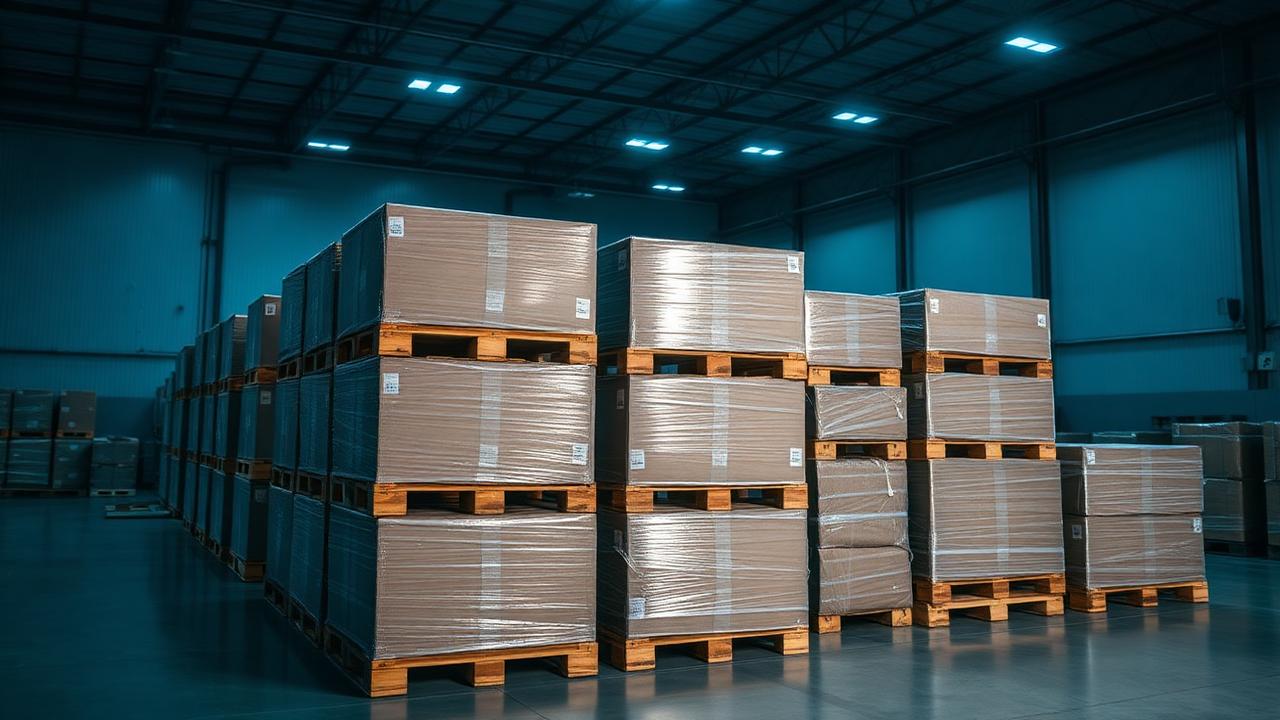
Two years ago, a freight truck backed up to my shop driveway in mid-October and dropped off three tall, stretch-wrapped pallets from a Target distribution center in Indiana. I paid $1,850 total, $1,200 for the lots and $650 in LTL freight with residential and liftgate delivery charges. On paper, the manifest listed $8,400 in original retail value. Transformers, Lego sets, Barbie Dreamhouses, and endless Nerf blasters filled the sheet. I thought I was going to coast through Q4 on a 300% return on investment.
Instead, I spent ninety hours opening smashed boxes, testing electronic pet toys that sounded like dying garbage disposals, and chasing down missing doll accessories on eBay just to make items complete. Learning how to flip toy liquidation pallets is a masterclass in managing box condition, dimensional weight, and intense seasonal swings. If you don't calculate your real net recovery before bidding, toy pallets will eat your warehouse space and swallow your cash flow whole.
To build a steady margin in this category, you have to look past the high MSRP numbers printed on liquidation manifests. Toys take a beating in customer return channels, and their resale value drops fast if the outer packaging looks like it survived a roll down a hill.
Understanding Toy Condition Grades
To survive in this category, throw original retail prices out the window and look at physical condition. Categorize your lots using four strict tiers before estimating sales numbers.
- Grade A (Overstock/Shelf Pulls): Factory sealed with minimal box wear. These items yield 35% to 50% of retail, especially if they are brand-name products.
- Grade B (Customer Returns - Like New): Open box items with cut tape, but all contents remain 100% complete. Expect 25% to 35% recovery on these.
- Grade C (Damaged Packaging/Missing Parts): Torn blisters, dented cardboard, or missing non-essential accessories. Recovery drops to 15% to 20% here.
- Grade D (Salvage/Defective): Broken plastic joints, corrosion in battery compartments, or missing main components. You'll get 5% to 10% on these, usually by selling them for parts or bundling them for local flea market sales.
Comparing Primary Sourcing Channels
Where you buy your pallets determines your baseline defect rate. Customer returns from big-box stores carry far more risk than direct manufacturer overstock.
| Source | Typical Grade | Avg. Recovery Rate | Best Sales Channel |
|---|---|---|---|
| Target RDC Returns | B/C Mixed | 22% - 32% | eBay / Mercari / Local |
| Amazon Overstock | A / Shelf Pull | 35% - 50% | Amazon FBA / eBay |
| Walmart Customer Returns | C / D Mixed | 12% - 22% | Local Flea / Facebook |
Target pallets usually have cleaner box conditions than Walmart loads, but Amazon overstock gives you the highest yield of factory-sealed merchandise. Expect lower margins on Amazon lots because bidding competition is much fiercer.
Decoding Toy Manifests: How to Flip Toy Liquidation Pallets by Brand
Not all toy brands hold value when liquidating. A manifest stuffed with off-brand plastic sets imported directly by discount retailers will tank your average sale price. Brand power matters more in toys than almost any other category.
Lego remains the absolute king of reselling. Even open-box Lego sets sell fast if you verify the bag seals or weigh the bricks against known set weights. Star Wars, Marvel, Pokemon, and Barbie follow close behind. These names carry search volume year-round, so you do not have to wait for the holiday rush to clear inventory.
On the flip side, steer clear of unmanifested lots dominated by massive, generic plastic playsets. A massive plastic dollhouse might carry a $100 original retail price, but it costs $35 to ship across the country because of dimensional weight penalties. If the box is crushed, local buyers won't pay more than fifteen bucks for it.
The Math: A Real-World Toy Pallet P&L
Here is a full financial breakdown from a 120-unit mixed customer return toy lot purchased off a major liquidation auction platform.
Initial Sourcing & Logistics
- Hammer price for single pallet: $550.00
- Buyer's premium (10%): $55.00
- LTL Freight (420 miles): $180.00
- Residential delivery fee: $60.00
- Liftgate accessorial fee: $50.00
- Total Landed Cost Basis: $895.00
Manifest Breakdown & Realistic Resale Revenue Manifest claimed $4,200 total retail MSRP across 120 items.
- 15 units Grade A (Lego, Star Wars): Sold on eBay at 50% MSRP = $450.00
- 45 units Grade B (Action figures, board games complete): Sold on Mercari/eBay at 30% MSRP = $525.00
- 30 units Grade C (Beat-up boxes, missing small decals): Bundled or sold on FB Marketplace at 15% MSRP = $210.00
- 30 units Grade D / Trash (Broken plastic, missing key controllers): $0.00 recovery (written off)
- Gross Resale Revenue: $1,185.00
Fees & Shipping Outflow
- Marketplace platform fees (Average 13.25% + $0.30/order across 75 shipments): $179.50
- Outbound shipping subsidies (offering free shipping on small games): $110.00
- Packaging supplies (boxes, bubble wrap, poly bags): $42.00
- Total Selling Costs: $331.50
Final Net P&L Calculation
- Gross Revenue: $1,185.00
- Less Landed Cost: $895.00
- Product Margin: $290.00
- Less Selling Costs: $331.50
- Net Realized Profit: -$41.50 (A total net loss)
Look at those numbers closely. A manifest boasting over four thousand dollars in original retail value lost over forty dollars once shipping, accessorial charges, salvage rates, and platform fees hit the ledger. This is how resellers bleed capital. Bidding on headline retail numbers instead of calculating net yields after accounting for a 25% salvage rate will ruin your margins.
Step-by-Step Execution: How to Flip Toy Liquidation Pallets for Maximum Net
To avoid a negative spreadsheet like the one above, run a strict processing workflow the moment freight touches your floor.
- Sort immediately by physical condition: Split the pallet into four distinct piles: sealed boxes, open complete, damaged box, and immediate salvage.
- Test electronics and check for corrosion: Battery compartments in returned toys are absolute minefields. Parents return toys after batteries leak, or kids leave demo modes running until the contacts corrode. Clean battery terminals with vinegar and isopropyl alcohol if necessary, but pass off heavily corroded items straight to the scrap pile.
- Match channels to item sizes: Put small, high-value sealed items on eBay or Amazon. Put medium-sized complete items on Mercari. Move oversized items, heavy board game bundles, and damaged boxes to Facebook Marketplace for cash pick-up. Local sales bypass shipping fees entirely, turning heavy zero-margin items into quick cash flow.
- Batch process listings: Take photos of ten similar action figures or games at once. Standardize your listing templates. If you spend twenty minutes creating a listing for an eight-dollar item, your hourly labor rate collapses.
How This Goes Wrong
The fastest way to lose money on toy pallets is getting caught in a dimensional weight trap. Carriers do not care if a plastic playhouse weighs only seven pounds; if the carton measures 30x24x20 inches, carrier algorithms bill it at forty-five pounds. If you sell that item on eBay with flat-rate or free shipping, the postage charge will instantly exceed your sale price.
Another major failure mode is the Q4 hangover. Liquidation buyers flood platforms with toy inventory in October and November, driving up auction prices on pallets. If your shipment gets delayed until mid-December, you miss the holiday shipping cutoff. By January, consumer demand drops off a cliff. Suddenly you are stuck paying storage fees on inventory that won't move until next October.
Missing proprietary pieces will also stall your operation. A remote-control monster truck without its specific 2.4GHz transmitter is worthless as a complete unit. Don't waste three weeks hunting for loose remotes online. Strip the truck for spare wheels or suspension parts and sell those individually to hobbyists, or cut your losses and dump the truck locally.
When evaluating high-item manifests, a manifest analysis tool like PalletIQ helps flag items with high defect risk and high dimensional weight before you submit a final bid.
What is the best month to purchase toy liquidation pallets?
Late September through early November offers the optimal window for buying overstock and shelf pulls. This timeline lets you process items and list them right as holiday shopping demand surges. Avoid buying heavy customer return loads in January unless you have cheap storage space to hold that inventory until the following autumn.
Do I need to test every electronic toy before listing?
Yes. Selling non-working toys marked as working will trigger returns and account suspensions on platforms like eBay and Mercari. Insert fresh batteries, check every sound and motion function, and inspect for corrosion. If an item fails testing, sell it locally as-is or scrap it for parts.
How do I handle missing pieces in board games and building sets?
Never guess whether a board game or building set is complete. Count the cards, dice, and tokens against the manual. For Lego, if factory seals are broken, weigh the inner bags against documented set weights or sell the loose bricks by the pound. Selling incomplete sets as complete leads to forced returns and negative feedback.
Once you master how to flip toy liquidation pallets using realistic recovery math, seasonality becomes a tool you control rather than a trap that catches your capital.
Pallet IQ Editorial Team
We buy, grade and resell liquidation pallets, then turn what we learn into the tools on Pallet IQ. Every guide here comes from real manifests, real bids and real sell through numbers.
Written August 9, 2026, last reviewed October 19, 2026