How to Flip Direct Liquidation Pallets for Real Profit
Buying direct from retailer return centers cuts out broker markups, but if you miscalculate freight accessorials or fail to grade salvage inventory, you'll burn cash fast.
By Pallet IQ Editorial Team
Published · Updated
 Liquidation Sourcing
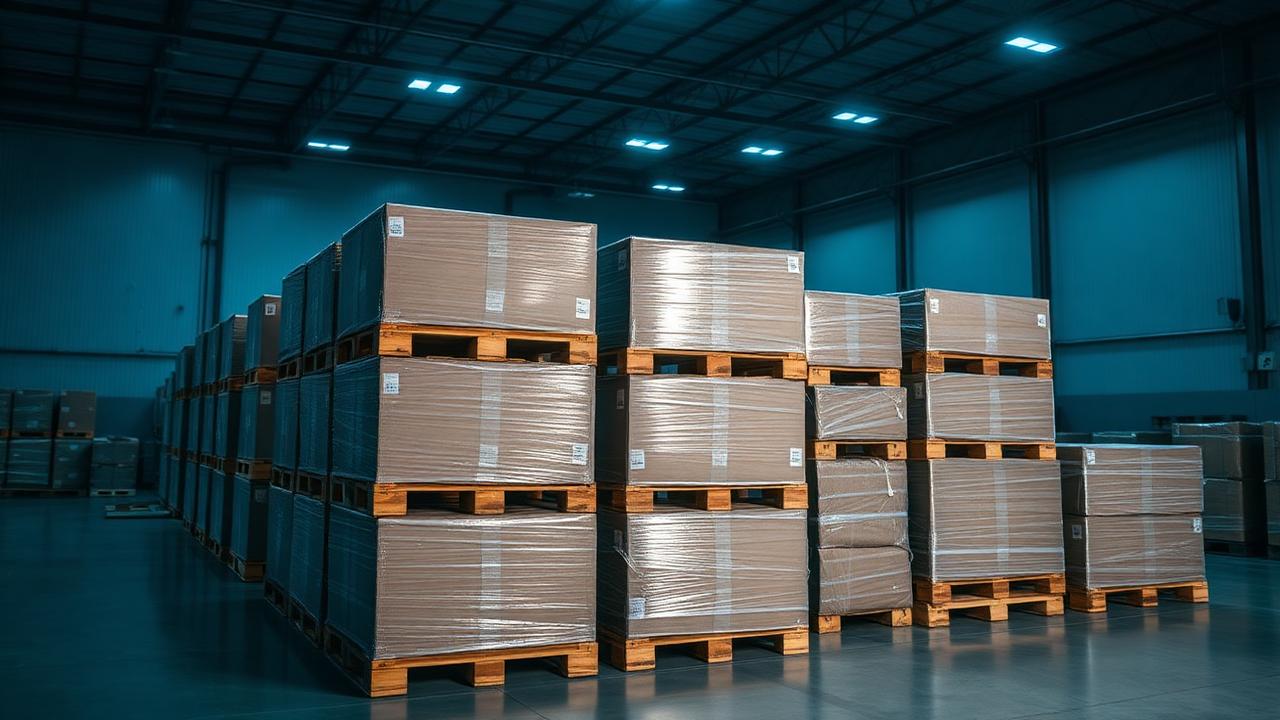
We backed the box truck into the bay at 7:00 AM on a Tuesday, expecting twenty-four neat gaylords of shelf-pull home goods out of an Indianapolis RDC. What we got was sixteen crushed pallets, three broken wooden skids hanging off the tailgate, and a manifest that listed a $450 espresso machine as "assorted kitchen." We lost $1,200 on that truckload because we trusted a broker's polished PDF instead of reading the raw manifest data ourselves.
That hard lesson changed how we source inventory. If you want to build a sustainable resale business, learning how to flip direct liquidation pallets is the difference between making a 35% net margin and paying to store someone else's trash. When you buy direct from regional distribution centers, instead of through third-party brokers who scrape the best items out of the box, you get raw, unfiltered access to retailer inventory. But direct sourcing also means you take on all the operational risk.
What Direct Sourcing Actually Means (and Why Brokers Cut Your Margin)
Let's clear up a misconception right away: buying a "liquidation pallet" off Facebook Marketplace or a local warehouse auction site isn't direct sourcing. That is buying secondary or tertiary spillover. A broker bought the full truckload from Target, Home Depot, or Amazon, picked through it for high-value tech and clean tool sets, and re-manifested the rest for small-scale buyers.
When you go direct, you bid on auction portals operated on behalf of the retailers themselves, platforms like B-Stock, Liquidation.com, or direct contract portals. The retailer ships straight from their return process facility (RDC or reverse logistics hub) to your dock or warehouse.
Here is why that distinction dictates your entire P&L:
- Zero cherry-picking: You get the high-value Grade A returns alongside the broken units, meaning your upside potential stays intact.
- Accurate manifests: Direct manifests come straight from the warehouse scanner, listing UPCs, original retail prices (MSRP), and actual item descriptions rather than generic category placeholders.
- Raw cost basis: You eliminate the 20% to 40% markup intermediate brokers tack on to cover their own overhead and profit.
Direct Liquidation vs. Broker Pallets
| Metric | Direct Retailer Auctions | Middleman / Broker Pallets |
|---|---|---|
| Source Integrity | Sealed at reverse logistics facility | Often unboxed, sorted, and re-strapped |
| Manifest Accuracy | 80%-95% SKU level matching | Low to moderate; often vague summaries |
| Cherry-Picking Risk | Zero (retailer wants inventory gone) | High (top 10% value frequently removed) |
| Freight Control | You arrange LTL or use site freight | Included, but heavily padded into unit cost |
| Average Recovery Rate | 25%-45% of retail MSRP | 12%-25% of retail MSRP |
Step-by-Step: How to Flip Direct Liquidation Pallets
Flipping these lots successfully takes a disciplined workflow. You cannot treat a pallet like a lottery ticket.
First, run the manifest through a clear valuation framework. Download the CSV from the auction site. Never rely on the aggregate MSRP number listed on the auction banner. Retail MSRP numbers are imaginary; what matters is current sold comps on eBay, Mercari, and Amazon. Calculate the true market value by taking a sample of 20 random SKUs from the lot and checking sold listings over the last 90 days. A manifest analysis tool like PalletIQ helps automate this math across thousands of lines so you do not spend four hours on a single manifest.
Second, compute your landed cost before placing a single bid. Landed cost is your winning bid plus buyer fees (typically 10% to 15%), credit card processing, and freight. If you do not have a commercial warehouse with a loading dock, freight costs will eat you alive.
Third, triage the shipment the hour it arrives. Strip the stretch wrap, sort inventory by condition grade, and test electronics immediately.
- Grade A (New/Open Box): Complete in box, functional. List on Amazon FBA or eBay at 70% to 80% of current retail.
- Grade B (Used/Functional): Light wear, missing minor accessories (manuals, USB cables). List on eBay or Mercari at 50% to 60% of retail.
- Grade C (Needs Repair/Incomplete): Power tool missing battery, vacuum with clogged hose. Fix if repair time is under 15 minutes; otherwise sell as-is for parts at 20% to 30% of retail.
- Grade D (Salvage/Trash): Smashed plastics, snapped metal, water damage. Strip for spare parts or throw away. Do not spend time trying to salvage unsalvageable junk.
The Real P&L of a Direct Power Tool Lot
Let's walk through an actual transaction so you can see how the math shakes out on a single direct lot. This was a 42-unit customer return lot of outdoor power equipment direct from a major home improvement retailer's RDC in Ohio.
Cost Basis & Acquisition
- Winning Bid: $820.00
- Buyer's Premium (10%): $82.00
- LTL Freight (450 miles): $245.00
- Liftgate Accessorial Fee: $65.00
- Residential Delivery Fee: $55.00
- Total Landed Cost: $1,267.00
Manifest Breakdown & Processing
- Total Units Received: 42
- Grade A/B (Ready to list): 22 units, Expected Gross: $1,450.00
- Grade C (Minor repair/parts swapped): 12 units, Expected Gross: $680.00
- Grade D (Scrap/Unsellable): 8 units, Expected Gross: $0.00
- Total Projected Gross Resale: $2,130.00
Fees & Net Realization
- Marketplace Fees (eBay ~13.25% + $0.30/order across 34 sales): $292.40
- Outbound Shipping Costs (paddings/boxes + buyer paid partial freight): $180.00
- Total Realized Gross Sales: $2,185.00 (a couple units fetched slightly more than estimated)
- Less Marketplace Fees & Outbound Freight: -$472.40
- Net Resale Revenue: $1,712.60
- Less Initial Landed Cost: -$1,267.00
- Net Profit: $445.60
- Return on Investment (ROI): 35.1%
We spent roughly six hours sorting, testing, cleaning, and listing this lot, plus another two hours packing orders over three weeks. That comes out to $55.70 per hour worked. That is a solid, repeatable lot, but notice how easily a $120 unexpected carrier fee would have sliced 25% out of that net profit.
How This Goes Wrong (The Failure Modes)
The most common way new buyers lose money on direct pallets is ignoring freight accessorials. Freight carriers do not operate like parcel delivery. If an LTL truck shows up to your residential driveway without a liftgate pre-booked, the driver will refuse to lower the pallet off the trailer. You will get hit with a re-delivery fee ($100-$200) plus a liftgate charge ($50-$75) and storage charges ($50/day). Always disclose your delivery site constraints during checkout.
The second failure mode is overestimating category recovery rates. Different categories yield vastly different returns:
- Lawn & Power Tools: 30%-45% recovery rate. High demand, easy to fix.
- Consumer Electronics: 25%-40% recovery rate. High testing labor, rapid depreciation.
- Apparel & Soft Goods: 8%-15% recovery rate. Massive return rates, high labor per unit, missing tags.
- General Home Goods: 20%-35% recovery rate. Bulky, expensive to ship outbound.
If you bid on an un-manifested apparel truckload assuming a 40% recovery rate, you will go out of business within three lots.
Operational Efficiency in How to Flip Direct Liquidation Pallets
To stay ahead of market shifts, treat your liquidation operations like a manufacturing facility. Streamline intake. Set up a dedicated testing bench with multi-meters, power supplies, and cleaning agents before the truck arrives.
Speed is your greatest asset. Capital tied up in un-processed pallets sitting in your garage earns 0% return. If you cannot process a pallet within 48 hours of offloading, stop bidding on new inventory.
Frequently Asked Questions
Do I need a resale certificate to buy direct liquidation pallets?
Yes. Almost all direct retailer auction portals require a valid state resale certificate or tax exemption ID during account registration. This allows you to purchase inventory without paying upfront state sales tax, as tax will be collected when the item is sold to the end consumer.
What is the average recovery rate on customer return electronics?
Real-world recovery rates for consumer electronics customer returns range between 25% and 40% of retail MSRP. While 10% to 15% of a lot might be pristine open-box items, expect at least 30% to be broken, missing key accessories, or locked behind user accounts.
How much space do I need to flip liquidation pallets profitably?
You need at least a two-car garage (roughly 400 square feet) to flip individual direct pallets efficiently. This allows room to offload a pallet, maintain a testing/photo station, and store organized inventory waiting for shipment. Trying to process full LTL shipments inside a living space creates immediate operational bottlenecks.
Mastering how to flip direct liquidation pallets comes down to brutal operational discipline, strict P&L tracking, and knowing your exact delivery costs. Stick to high-recovery categories, calculate your landed cost before every bid, and move inventory out the door fast.
Pallet IQ Editorial Team
We buy, grade and resell liquidation pallets, then turn what we learn into the tools on Pallet IQ. Every guide here comes from real manifests, real bids and real sell through numbers.
Written August 6, 2026, last reviewed October 19, 2026