How to Buy Walmart Liquidation Pallets Without Losing Money
Walmart returns look cheap until freight and broken electronics eat your margin. Here is how we actually source, analyze manifests, and profit on Walmart loads.
By Pallet IQ Editorial Team
Published · Updated
 Sourcing & Liquidation
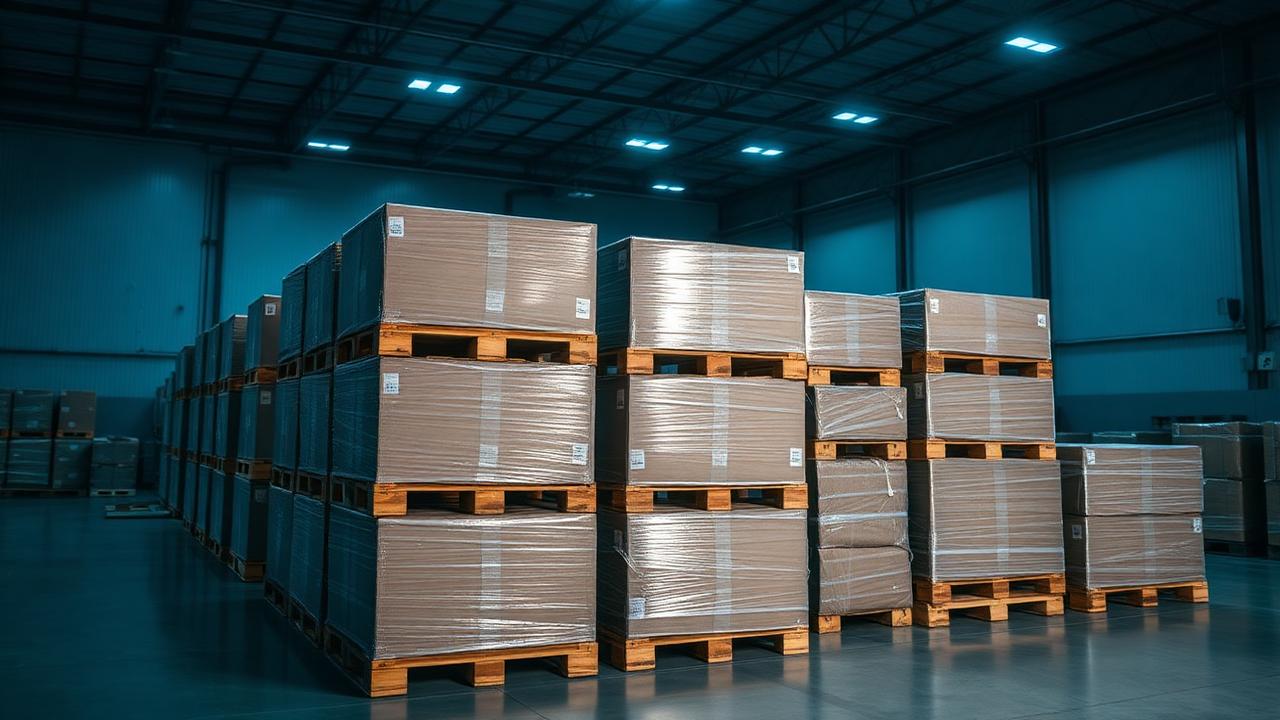
Three pallets of Walmart returns sat on my driveway in 95-degree heat. The freight driver dropped them off, handed me a clipboard, and rolled away. Out of 142 items on the manifest, 20 were missing power cords, a $400 Ninja air fryer was smeared with dried grease, and two kids' bikes were missing front wheels. We lost $600 on that load before packing our first eBay order. If you want to know how to buy walmart liquidation pallets without setting your cash on fire, you need to accept one basic truth: Walmart's return stream is an unedited snapshot of consumer behavior.
Walmart is the largest retailer in the world. Their return volume is staggering. Getting access to those loads, and actually extracting a profit, requires tighter math than most buyers expect.
Understanding How to Buy Walmart Liquidation Pallets Direct
Walmart sells its return inventory through official liquidation channels rather than directly out of store backrooms. You cannot walk up to a store manager with cash. Most official inventory flows through the official Walmart Liquidation Auctions portal, which is powered by B-Stock Solutions.
To bid directly on these auctions, you need a registered business entity and a valid state sales tax exemption certificate, often called a resale license. Without this document, you cannot open an account on the direct portal.
When buying returns, inventory usually comes categorized into distinct physical grades:
- Grade A (Overstock/Shelf Pulls): Factory-sealed items that never left the store. Expect to pay 30% to 50% of original retail value (MSRP), with resale recovery usually hitting 60% to 75% of MSRP.
- Grade B (Open Box/Like New): Opened by customers but returned complete with original boxes and manuals. Expect recovery between 40% and 50% of MSRP.
- Grade C (Customer Returns): Visible cosmetic wear, missing hardware, or damaged outer packaging. This makes up the majority of Walmart return lots. Real recovery sits between 25% and 35% of MSRP.
- Grade D (Salvage): Heavily damaged, non-functional, or incomplete inventory. These loads sell for rock-bottom prices, often under 10% of MSRP, but require component-level repair or selling for parts.
Step-by-Step: How to Buy Walmart Liquidation Pallets Safely
Sourcing successfully requires a disciplined workflow. Here is the process we use before committing capital to a load.
- Verify your legal status: Make sure your resale certificate is active in your home state. This exempts you from paying sales tax on purchases meant for resale.
- Select your sourcing channel: Decide whether you are buying direct through B-Stock or purchasing through secondary liquidation brokers like Liquidation.com or local liquidators. Direct accounts require higher capital, but third-party brokers charge higher markups.
- Audit the manifest: Never bid blind on unmanifested loads unless you are paying scrap value. Pull the manifest spreadsheet and check UPCs against current marketplace listings. A manifest analysis tool like Pallet IQ helps cross-reference historical sold prices against raw inventory lists instantly so you do not manually check 300 rows.
- Calculate true freight costs: Freight can easily double your cost basis on single-pallet purchases. Less-Than-Truckload (LTL) shipping ranges from $0.80 to $2.50 per mile depending on fuel surcharges and carrier lanes. Always budget for mandatory delivery accessorials:
- Residential delivery fee: $50 to $100
- Liftgate service: $50 to $75
- Limited-access delivery fee: $30 to $60
- Set a maximum bid limit: Determine your ceiling price before the auction starts. Include product cost, freight, marketplace fees, and minimum profit target. Stick to it.
Real-World P&L: A Walmart Appliance & Tech Lot
Let's walk through an actual four-pallet customer return lot sourced out of a Walmart Regional Distribution Center (RDC) in Hope Mills, NC.
- MSRP (Manifested Total): $8,400
- Winning Bid: $1,150
- LTL Freight (420 miles): $380
- Liftgate Fee: $65
- Residential Delivery Fee: $75
- Total Invested Capital: $1,670
Now, let's break down realistic reselling expectations:
- Category Blended Recovery Rate (Electronics & Appliances): ~35% of MSRP = $2,940 gross sales.
- eBay Marketplace Fees (~13.25% + $0.30 per item over 45 sales): $403
- Outbound Packing Supplies: $85
- Net Resale Revenue: $2,940 - $403 - $85 = $2,452
- Net Profit: $2,452 - $1,670 = $782 profit
That represents a 46.8% return on invested capital. Processing took roughly 18 labor hours across testing, cleaning, listing, and packing. That equals $43.44 per hour for our shop.
Direct Auctions vs. Brokers: Where to Source
Choosing where to buy depends on your storage capacity and available capital.
| Sourcing Channel | Minimum Order | Price Point | Quality Consistency | Shipping Method |
|---|---|---|---|---|
| Walmart B-Stock Direct | 1 Pallet to Full Truckload | Competitive Wholesale | Raw Customer Returns | Buyer-Arranged LTL |
| Liquidation.com | Single Pallets | Retail Broker Markup | Mixed Grades | Integrated Freight / Pickup |
| BULQ | Single Boxes or Pallets | Fixed Markup | Pre-sorted / Graded | Flat-Rate Delivery |
| Local Liquidation Brokers | Single Pallets | Variable | Visual Inspection | Local Pickup |
How This Goes Wrong: The Salvage Trap
The biggest trap in buying Walmart returns is trusting the manifested MSRP. A top-tier brand name on a manifest does not guarantee a functional product inside the box.
Customers frequently put their old, broken items inside the box of a newly purchased replacement and return it to Walmart. Customer service reps at customer service desks rarely inspect box contents down to the serial numbers. That means a $300 dyson vacuum on the manifest might actually be a ten-year-old dirt-caked machine missing its motor.
If you buy a customer return lot with a 15% trash rate built into your projections, you will survive. If you assume every item on that list can be sold as open-box, you will end up underwater. Factor in a 10% to 20% total loss on raw return loads, especially in categories like small home appliances and consumer tech.
Do I need a business license to buy Walmart liquidation pallets?
Yes, if you buy through official direct portals like Walmart Liquidation Auctions. Direct platforms require a state resale certificate to verify you are purchasing items for resale. Independent brokers may allow personal purchases without a tax ID, but they collect standard sales tax on the transaction.
Can I return a damaged pallet back to Walmart?
No. All liquidation purchases are strictly sold as-is, where-is, with all faults. You cannot return pallets to a retail store or a distribution center. Your only recourse is filing a formal claim with the auction platform if the manifest discrepancies exceed their allowed dispute threshold.
How do I ship LTL freight if I don't have a loading dock?
When booking LTL freight, you must request a truck equipped with a liftgate and specify residential delivery. The freight carrier uses a hydraulic lift to drop the pallets down to ground level and wheel them into your driveway using a manual pallet jack.
Learning how to buy walmart liquidation pallets takes patience and realistic cash projections, but disciplined math keeps your reselling operation profitable.
Pallet IQ Editorial Team
We buy, grade and resell liquidation pallets, then turn what we learn into the tools on Pallet IQ. Every guide here comes from real manifests, real bids and real sell through numbers.
Written August 25, 2026, last reviewed October 19, 2026