How to Buy QuickLotz Pallets Without Wasting Capital
Thinking about buying QuickLotz pallets? Here is a breakdown of freight costs, unmanifested lot risks, and real resale numbers before you risk your working capital.
By Pallet IQ Editorial Team
Published · Updated
 Reseller Sourcing
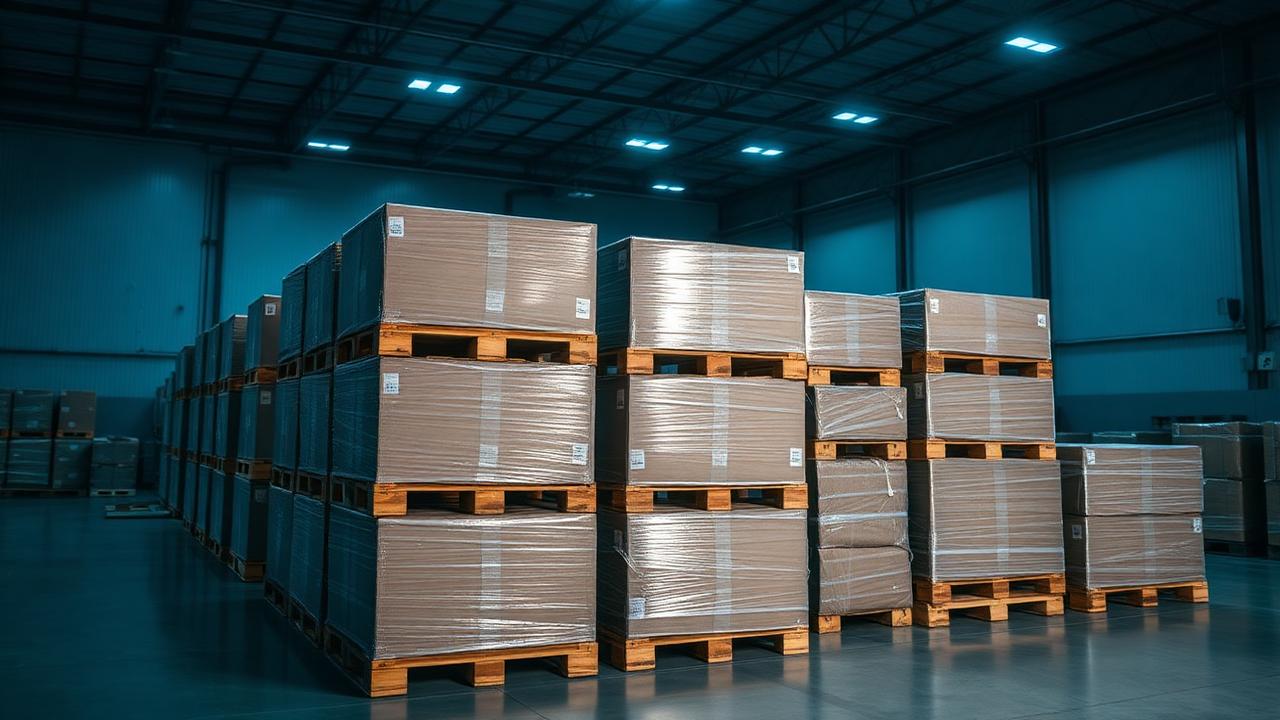
Two years ago, I watched an R&L Carriers liftgate drop a 400-pound mystery pallet onto a wet gravel driveway in Ohio. Total cost out of pocket: $1,120 including residential delivery fees. I cut the stretch wrap expecting retail-ready shelf pulls. Instead, I spent the next six hours sorting through broken air fryers, half-empty beauty products, and a massive bundle of stained fast-fashion apparel. We scraped together $210 in net profit after four months of cross-listing on eBay and Mercari. That was an expensive lesson in how liquidation clearinghouses work. If you want to learn how to buy quicklotz pallets without burning your working capital, you have to look past unboxing videos and calculate your landed cost down to the penny.
QuickLotz operates differently than liquidation auction platforms like B-Stock or Liquidation.com. They buy direct liquidation lots from major retailers, store them in regional distribution centers in North Carolina and Texas, and sell them through direct buy-it-now listings, auction lots, mystery boxes, and full truckloads. Some resellers make a clean 35% net margin off these lots. Others get buried under raw customer returns that belong in a landfill. Winning comes down to understanding how they grade, package, and ship inventory.
Understanding QuickLotz Inventory Grades and Lot Types
QuickLotz sells items in three main formats: small mystery boxes, single pallets, and full truckloads. Before placing an order, you need to know which condition tier you are viewing. Liquidation inventory generally falls into four standardized grades across the industry:
- Grade A/B (Shelf Pulls and Overstock): Items that never left the store floor. Packaging might have sticker residue or minor shelf wear, but the product inside is unused and complete.
- Grade C (Customer Returns): Returned goods that may be fully functional, missing minor accessories, or cosmetically scratched. Electronics in this tier usually show a 25% to 40% functional recovery rate.
- Grade D (Salvage and Raw Returns): Uninspected store returns with high defect rates. Expect broken parts, missing components, and heavy packaging damage.
QuickLotz frequently mixes Grade B shelf pulls with Grade C customer returns in their unmanifested pallets. That means you are taking on inventory risk in exchange for a lower buy-in cost. If you buy a manifest-free lot, you must price the pallet assuming at least 25% of the items will be unsellable salvage.
How to Buy QuickLotz Pallets: The Step-by-Step Process
Getting started on the platform is straightforward, but the operational decisions you make during checkout dictate whether you turn a profit.
- Set Up an Account and Prepare Your Business Documents: Create an account on the QuickLotz website. If you want to avoid paying sales tax on inventory meant for resale, upload your state resale certificate before completing your first order.
- Choose Between Auction vs. Buy-It-Now: QuickLotz offers both fixed-price inventory and timed auctions. Fixed-price pallets give you predictable margins, while auction lots allow you to scoop up inventory below market rates during low-traffic periods.
- Review the Listing Manifest (Or Lack Thereof): Manifested pallets include an itemized breakdown of products, estimated original retail value, and quantities. Unmanifested lots only give you a general category description, such as "Small Appliances" or "Target General Merchandise."
- Calculate Landed Freight Costs: Never hit the buy button based on the pallet price alone. Calculate shipping fees inside the checkout portal before committing.
- Select Your Delivery Options Carefully: If you do not have a commercial facility with a loading dock and a forklift, you must add residential delivery and liftgate service accessorials to your freight booking.
QuickLotz Purchase Types Compared
| Purchase Type | Typical Cost Range | Manifest Detail | Shipping Method | Risk Level |
|---|---|---|---|---|
| QuickLotz Mystery Box | $50 - $200 | None (Category Only) | Parcel Ground (FedEx/UPS) | High |
| Single Category Pallet | $500 - $1,500 | Partial or None | LTL Freight | Medium to High |
| Manifested Appliance Pallet | $800 - $2,200 | Fully Itemized | LTL Freight | Low to Medium |
| Full Truckload (24-26 Pallets) | $10,000 - $25,000 | Itemized or Categorical | Dedicated Flatbed/Dry Van | High Capital / Low Cost per Unit |
The Real Math: Worked P&L on a QuickLotz Small Appliance Pallet
Let's run a real scenario. Say you buy a 32-unit mixed small-appliance pallet out of a North Carolina warehouse for $750. Here is how the actual numbers break down once you factor in shipping, marketplace fees, and item defects.
Cost Basis
- Pallet Purchase Price: $750.00
- LTL Freight Charges: $185.00
- Liftgate Accessorial Fee: $65.00
- Residential Delivery Fee: $50.00
- Total Landed Cost Basis: $1,050.00 ($32.81 per unit)
Resale Breakdown (32 Total Units)
After testing, cleaning, and listing all 32 items, here is what the functional breakdown looks like:
- 18 Grade A/B Units (Fully working, good packaging): Sold on eBay at an average of $65.00 each = $1,170.00
- 6 Grade C Units (Working, missing original box or manual): Sold locally on Facebook Marketplace at $40.00 each = $240.00
- 4 Salvage Units (Broken/Parts only): Sold as a bundled parts lot on eBay = $50.00
- 4 Trash Units (Completely unsellable/landfill): $0.00
- Gross Resale Revenue: $1,460.00
Selling Fees and Net Profit
- Gross Revenue: $1,460.00
- eBay Marketplace Fees (~13.25% + $0.30 per transaction on 19 shipments): $200.10
- Out-of-pocket outbound shipping subsidies: $85.00
- Total Cost Basis: $1,050.00
- Net Cash Profit: $124.90
- Return on Investment (ROI): 11.89%
Notice how an $1,460 gross return turns into less than $125 in clear cash profit once LTL freight accessorials and marketplace fees eat into your margin. If you don't calculate your freight additions ahead of time, a single liftgate charge can turn a profitable transaction into a negative spreadsheet entry.
What to Watch Out For When You Buy QuickLotz Pallets
The biggest failure mode for new resellers buying from QuickLotz is underestimating LTL shipping fees and overestimating category recovery rates. LTL freight usually costs anywhere from $0.80 to $2.50 per mile depending on diesel fuel surcharges and route traffic.
When you ship to a residential address without a forklift or loading dock, carriers charge mandatory accessorial fees. A residential delivery fee usually runs $50 to $100. The liftgate charge adds another $50 to $75. If your driveway sits on a narrow country road, a limited-access accessorial fee can tack on an extra $30 to $60.
Category selection also dictates your actual recovery rate:
- Small Appliances & Tools: Higher recovery rates (30% to 45% return on original retail value). Items are durable and easy to test.
- Apparel and Textiles: Brutal recovery rates (8% to 15% return on retail value). High rates of customer wear, missing tags, and size-sorting labor bottlenecks.
- Consumer Electronics: High return rates due to missing power cords, internal board failures, and cloud-locked devices.
Before placing a bid on an unmanifested lot, run the numbers through a manifest analysis tool like PalletIQ or build your own spreadsheet to model expected returns based on historical category yield rates.
Local Pickup vs. Freight Delivery
If you live within driving distance of a QuickLotz warehouse location, such as their facilities in Texas or North Carolina, skip freight entirely. Picking up pallets in a box truck or on an open utility trailer instantly eliminates the $200 to $350 shipping overhead.
Eliminating freight shifts your landed cost basis down significantly. On the sample P&L lot above, dropping the $300 in freight fees changes your net profit from $124.90 to $424.90, bumping your ROI from under 12% up to over 40%.
If local pickup is an option for your business, it is almost always the smartest way to buy quicklotz pallets.
Do QuickLotz pallets come with manifest lists?
Some QuickLotz pallets include full itemized manifests with piece counts, UPC codes, and original retail estimates, while others are sold entirely unmanifested. Read the listing details carefully before purchasing. Unmanifested lots usually sell for lower upfront prices to compensate for the inventory uncertainty.
Can you pick up QuickLotz pallets locally to skip freight?
Yes. QuickLotz allows buyers to schedule local warehouse pickups at designated fulfillment centers. You will need a suitable vehicle, such as a pickup truck, trailer, or box truck, along with cargo straps to secure your load safely.
What is the average resale return on a QuickLotz lot?
Realized recovery rates vary by category. Hardlines and small appliances typically recover 25% to 35% of original retail value, while liquidation apparel yields 8% to 15%. Your net profit depends heavily on minimizing landed shipping costs and avoiding unsellable scrap items.
Pallet IQ Editorial Team
We buy, grade and resell liquidation pallets, then turn what we learn into the tools on Pallet IQ. Every guide here comes from real manifests, real bids and real sell through numbers.
Written August 12, 2026, last reviewed October 19, 2026