How to Buy Kohls Liquidation Pallets: Reseller P&L Guide
A realistic look at sourcing Kohl's liquidation pallets. Real margin breakdowns, freight calculations, and avoiding the private-label apparel trap.
By Pallet IQ Editorial Team
Published · Updated
 Sourcing Strategy
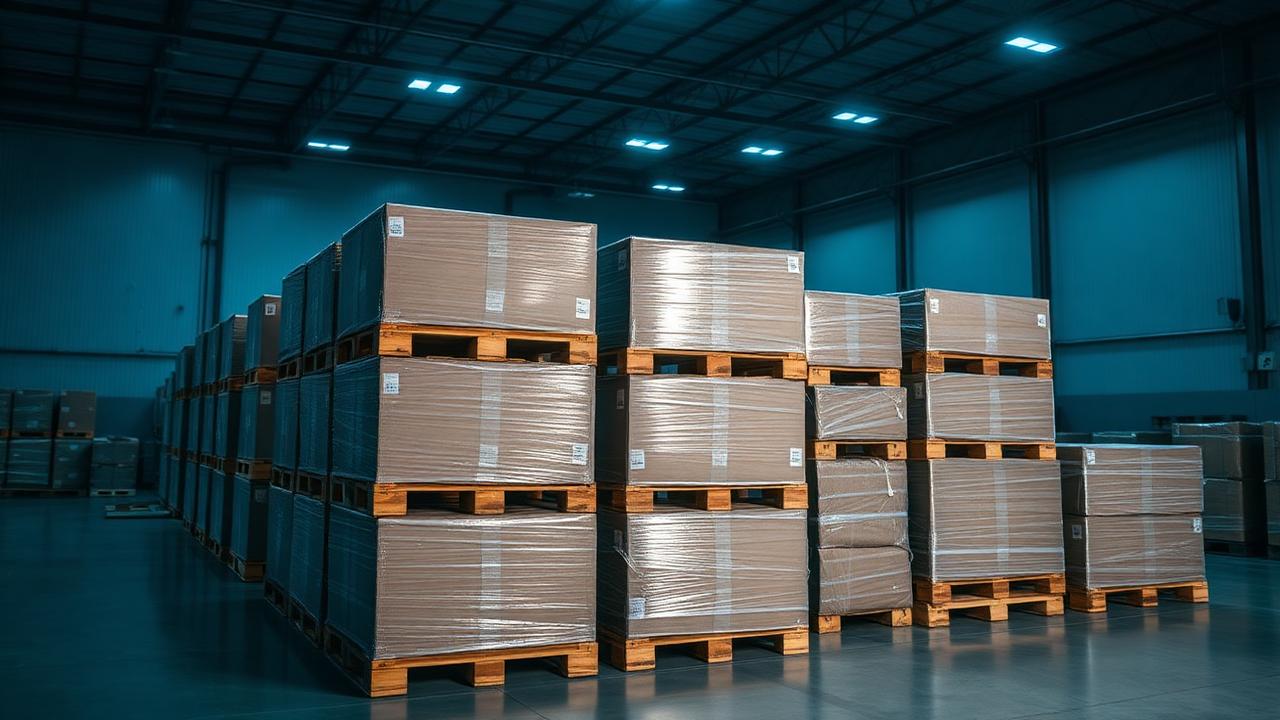
We backed the box truck up to our dock in Columbus with four freshly delivered Kohl's home-and-apparel pallets. We paid $1,150 for the auction lot, plus $340 in LTL freight. Opening the first shrink-wrapped gaylord, we found six Ninja Foodi pressure cookers, eleven pairs of Apt. 9 jeans, three Food Network cookware sets, and forty-two loose Sonoma bath towels. Half the towels were missing tags. One Ninja cooker was missing its inner pot and had burnt chili crust stuck to the lid. That is the daily reality of this inventory stream.
Learning how to buy Kohls liquidation pallets profitably requires seeing past high sticker retail prices. Kohl's paper MSRP looks incredible on a manifest, but private-label apparel and customer-used kitchen gadgets carry completely different recovery rates than consumer electronics or power tools.
What You Are Buying: Categories and Recovery Rates
Kohl's customer return loads are unique because of the store's generous return policy and heavy reliance on private-label soft goods. You will encounter three distinct categories on almost every mixed pallet.
- Small Kitchen Appliances: Ninja, Keurig, Shark, KitchenAid, and Cuisinart dominate these loads. If complete and functional, expect a 25-40% recovery rate relative to original retail price.
- Private-Label Apparel: Brands like Sonoma, Croft & Barrow, Apt. 9, and Lauren Conrad make up the bulk of soft goods. These carry a low 8-15% recovery rate due to weak resale demand on major marketplaces.
- Home Goods & Bedding: Comforters, sheet sets, and bathroom rugs. High volume, heavy bulk, but low density. These items eat up pallet space quickly and carry expensive shipping costs if sold online.
Overstock loads offer higher clean-grade inventory, but customer return pallets are where most small resellers start due to lower entry prices.
Where to Source: How to Buy Kohls Liquidation Pallets Direct
The primary source for buying direct from the retailer is the official Kohl's Liquidation Auction marketplace operated on the B-Stock network.
To bid direct on B-Stock, you must hold a valid state resale certificate and business registration. Minimum bids on single pallets usually start at $100 to $300, while full truckloads (24 to 26 pallets) start higher. If you do not have a resale tax ID or prefer to buy single pallets locally, secondary liquidation brokers offer split lots, though they take their cut off the top.
| Purchase Channel | Minimum Order | Business Registration Required? | Typical Manifest Quality | Average Freight Cost per Pallet |
|---|---|---|---|---|
| Kohl's B-Stock Marketplace | 1-4 Pallets or Full Truckload | Yes (Resale Certificate Required) | Manifested with SKU, MSRP, and Item Descriptions | $80 - $250 via LTL Freight |
| Secondary Brokers (e.g., Via Trading, BULQ) | 1 Pallet | Varies by Broker (Often No) | Unmanifested or Partially Manifested | $120 - $300 (or Local Pickup) |
| Regional Liquidation Wholesalers | Single Pallet / Gaylord | Rarely | Visual Inspection Only | Self-Haul / Local Pickup |
Buying direct gives you full manifests showing original retail values and itemized counts. Buying from brokers means paying a markup, but you can sometimes physically inspect the pallet before handing over cash.
The Financial Reality: Worked P&L Example
Never buy a liquidation load based on total retail value alone. Here is an exact financial breakdown of a 4-pallet Kohl's mixed home and kitchen lot bought through auction.
Cost Basis Calculation
- Winning Auction Bid: $1,250.00
- Buyer's Premium (10%): $125.00
- LTL Freight Cost: $320.00
- Residential Delivery Accessorial: $60.00
- Liftgate Fee: $50.00
- Total Delivered Cost Basis: $1,805.00
Manifest Inventory Breakdown & Realized Resale
- 18 Small Appliances: 12 functional units sold on eBay and Facebook Marketplace averaging $45 net revenue after eBay's ~13.25% + $0.30 fee structure ($540 net). 4 incomplete or broken units sold locally for parts ($60 net). 2 unsalvageable units scrapped ($0).
- 45 Apparel Pieces: Sold as a lot on Poshmark and Mercari averaging $7 net per piece after fees ($315 net).
- 20 Bedding & Home Items: Sold locally at flea markets and yard sales averaging $12 each ($240 net).
- 12 Kitchenware Sets: Functional cookware sets sold on Facebook Marketplace averaging $35 each ($420 net).
Final Margin Outcome
- Total Gross Resale Revenue: $1,575.00
- Less Delivered Cost Basis: -$1,805.00
- Net Profit/Loss: -$230.00 (Loss)
This load lost money because freight accessorials and platform fees swallowed the margin on low-value apparel and damaged appliances. A manifest analysis tool like PalletIQ helps flag these unprofitable loads before you submit a bid, keeping you from tying up cash in dead weight.
How This Goes Wrong: The Private-Label Clothing Trap
The most common failure mode when learning how to buy Kohls liquidation pallets is falling into the private-label clothing trap.
A load might feature $20,000 in manifest MSRP. You see thousands of dollars in value and place a $2,000 bid. When the truck arrives, you discover 80% of the lot consists of Croft & Barrow, Apt. 9, and Sonoma clothing loose in polybags.
These are store brands. Buyers do not search for used Croft & Barrow shirts on eBay. Listing them individually takes ten minutes per item between photographing, measuring, listing, and storing. After paying platform selling fees and shipping boxes, an $8 sale netting $3 after costs yields less than minimum wage for your labor time.
If a Kohl's lot is heavy on unmanifested apparel, lower your maximum bid drastically or walk away entirely.
Freight Accessorials Will Destroy Your Margin
Shipping LTL (Less-Than-Truckload) freight is not like receiving an Amazon package. Carriers bill extra for every non-standard service.
- Liftgate Service: If you do not have a loading dock or forklift, the truck needs a hydraulic liftgate to lower pallets to the ground. Cost: $50 to $75.
- Residential Delivery Fee: If your warehouse is located in a residential area or home garage. Cost: $50 to $100.
- Limited Access Charge: Schools, storage units, or rural locations trigger this fee. Cost: $30 to $60.
If you bid $800 on a pallet and forget to factor in $250 of LTL freight and $120 of accessorial fees, your $800 purchase quickly becomes a $1,170 commitment before you open a single box.
Frequently Asked Questions
Do you need a business license to buy Kohl's liquidation pallets direct?
Yes, to buy directly from the official Kohl's Liquidation Auctions platform on B-Stock, you must present a valid state reseller certificate and tax ID. If you do not have a business entity, you must buy second-hand through independent liquidation brokers or local wholesale warehouses that buy full truckloads and sell single pallets to the public.
What is the average recovery rate on Kohl's customer return pallets?
Average recovery varies significantly by category. Small kitchen appliances typically yield 25% to 40% of their original retail price when cleaned and tested. Bedding and home goods recover around 15% to 25%, while private-label apparel yields 8% to 15% at best due to low brand demand on second-hand marketplaces.
Is Kohl's apparel worth reselling on Poshmark or Mercari?
Individual listing of Kohl's private-label brands like Apt. 9 or Sonoma is rarely profitable due to labor time and marketplace fees. The most effective way to monetize this inventory is by selling items in wholesale mystery boxes, multi-item size lots, or at local flea markets and cash-and-carry yard sales.
Pallet IQ Editorial Team
We buy, grade and resell liquidation pallets, then turn what we learn into the tools on Pallet IQ. Every guide here comes from real manifests, real bids and real sell through numbers.
Written August 15, 2026, last reviewed October 19, 2026