How to Buy Home Depot Liquidation Pallets Realistically
A breakdown of actual recovery rates, hidden freight math, and common traps when bidding on Home Depot return lots.
By Pallet IQ Editorial Team
Published · Updated
 Sourcing Strategy
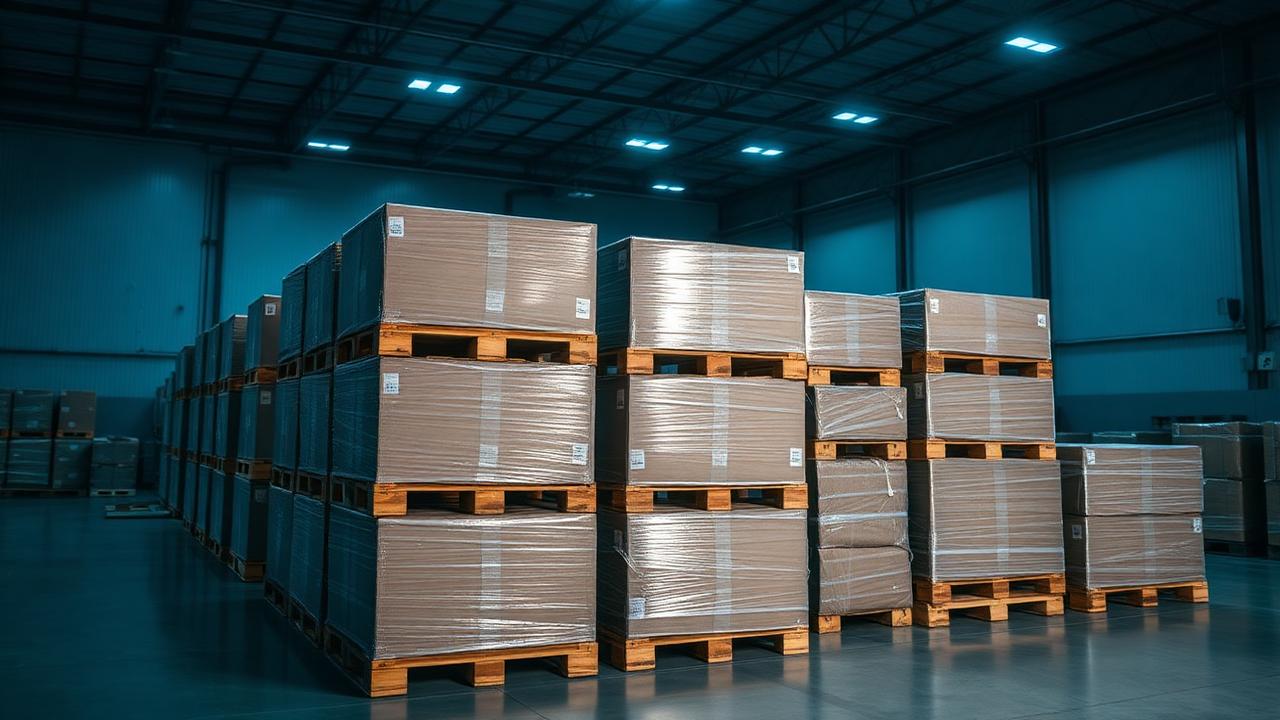
My first Home Depot lot was a 48-unit box of customer returns out of a regional distribution center in Cullman, Alabama. It cost $1,150 delivered to my shop loading dock. I thought I bought $6,000 worth of Milwaukee fuel drills and DeWalt table saws. Instead, I opened three shrink-wrapped pallets to find burnt-out armatures, half-empty Ryobi combo kits missing their lithium batteries, and four broken Hampton Bay ceiling fans. After 40 hours of cleaning, testing, and eBay listing, I netted roughly $140.
If you want to figure out how to buy home depot liquidation pallets without setting cash on fire, you have to treat home improvement returns like hazardous material until proven otherwise. Retail store returns are messy. People buy power tools, execute a weekend bathroom remodel, put their ten-year-old broken tool back in the box, and demand a refund. Home Depot customer desk clerks rarely test tools before issuing credit.
That reality doesn't mean you can't make money. It just means you need real numbers, strict bidding limits, and a refusal to trust retail MSRP values.
Where to Find and How to Buy Home Depot Liquidation Pallets
Home Depot dumps its surplus inventory through a few specific pipelines. You will not find these deals sitting on store shelves or in the back alley behind your local store.
The primary channel is the official Home Depot Liquidation Auctions portal operated via B-Stock. Here, Home Depot auctions off customer returns, overstock inventory, and scratch-and-dent freight directly from regional distribution centers (RDCs). These are truckload or multi-pallet lots sold straight from the source.
You can also find Home Depot inventory scattered across second-tier brokers like BULQ, Liquidation.com, or regional liquidators buying full truckloads and breaking them down into single pallets.
Buying directly from B-Stock requires a valid resale certificate and a tax ID. Buying from brokers often does not require a business license, but you will pay a steep markup. A lot that costs $800 on B-Stock will easily be listed for $1,300 on a secondary broker site. The broker is simply taking the margin you should have kept.
Decoding Grades, Manifests, and Realistic Recovery Rates
Liquidation grades look clean on paper, but store returns are wildcards. Never assume a Grade B item works out of the box.
- Grade A/B (Overstock & Shelf Pulls): Factory-sealed or open-box goods with undamaged packaging. Category recovery rate runs 50% to 65% of original retail.
- Grade C (Customer Returns - Salvageable): Items returned to the customer desk. Expect 25% to 40% functional defect rates. Overall category recovery sits between 30% and 45% for power tools, but drops down to 15% to 25% for plumbing fixtures and lighting.
- Grade D (Raw Salvage): Heavy physical damage, missing critical parts, smashed housings. Recovery drops below 15%. This is parts-only inventory.
Power tools (Milwaukee, DeWalt, Makita, Ryobi) hold the highest liquidity of any store merchandise. You can flip them quickly on eBay (~13.25% fee + $0.30 per order) or Facebook Marketplace for local cash pick-up with zero fees.
Outdoor power equipment like mowers and leaf blowers sits in second place, though shipping heavy gas engines eats profits fast. Building materials, lighting, and plumbing are bottom-tier inventory. Shipping a heavy porcelain sink or a fragile glass chandelier will kill your margin on outbound freight alone.
The Freight Trap: Calculating True Landed Cost
The bid price on the auction block is only part of your total cost. LTL (Less-Than-Truckload) freight rates fluctuate between $0.80 and $2.50 per mile depending on fuel surcharges and carrier lanes.
If you do not own a commercial warehouse with a loading dock and a forklift, freight carriers will stack extra charges on your invoice:
- Residential Delivery Fee: $50 to $100
- Liftgate Service: $50 to $75
- Limited Access Fee (farms, storage units, residential quarters): $30 to $60
A $600 pallet of Ryobi tools from a distribution center 400 miles away can easily rack up $320 in freight and accessorials. Your true landed cost is $920, not $600. If you forget to factor in accessorials during live bidding, you are operating at a loss before the truck leaves the dock.
Worked P&L: A 16-Unit Mixed Tool Pallet
Let's run the actual math on a real auction lot out of a Georgia distribution center containing 16 mixed power tool units.
Cost Basis Breakdown:
- Winning Auction Bid: $750.00
- Buyer Premium (10%): $75.00
- LTL Freight (350 miles): $185.00
- Liftgate Accessorial Fee: $55.00
- Total Landed Cost: $1,065.00
Testing & Sorting Reality:
- 8 units fully working, pristine condition (Resell @ 60% MSRP): $960.00
- 4 units working, missing batteries/chargers (Resell @ 35% MSRP): $280.00
- 2 units minor defects, fixed with spare parts ($30 total parts cost): $140.00
- 2 units complete scrap / parts only: $30.00
- Gross Resale Value: $1,410.00
Fees & Expenses:
- Replacement Repair Parts: $30.00
- Resale Marketplace Fees (eBay average ~13.25% + fixed fees): $190.00
- Outbound Shipping Subsidies & Boxes: $85.00
- Total Operating Expenses: $305.00
Net Profit Calculation:
- Gross Revenue: $1,410.00
- Less Total Landed Cost ($1,065.00): Gross Margin = $345.00
- Less Operating Expenses ($305.00): Net Profit = $40.00
Notice how a quick glance at MSRP ($3,200 total retail) makes $750 look like a steal. In reality, missing batteries, freight fees, and selling costs wiped out almost all margin. To clear a reasonable $300 profit on this specific lot, your bid cap needed to be $490, not $750.
Sourcing Channel Comparison
| Channel | Entry Barrier | Freight Cost | Manifest Accuracy | Resale Margin Potential |
|---|---|---|---|---|
| Home Depot Direct (B-Stock) | Resale Certificate Required | High ($200-$400/pallet) | High (Itemized CSV) | 20% - 35% |
| Secondary Brokers | Low (No tax ID required usually) | Flat-rate or bundled | Medium to Low | 10% - 20% |
| Local Liquidation Wholesalers | None (Cash & carry) | $0 (Self-pickup) | Unmanifested (Visual inspection) | 15% - 40% |
| Direct Truckload Contracts | High ($10k+ capital required) | Full Truckload ($1,500-$3,500) | High (Direct RDC manifest) | 30% - 50% |
Step-by-Step Execution: How to Buy Home Depot Liquidation Pallets Without Bleeding Cash
When reviewing an auction manifest, run every single line item through a manifest analysis tool like PalletIQ or your own custom spreadsheet before placing a single bid.
First, filter out heavy freight liabilities. If a lot contains four 80 lb cast iron table saws or six 100 lb vanity units, make sure you have local buyers willing to do cash pickup. Shipping those individually across the country will crush your profit margins.
Second, calculate the missing battery tax. Home Depot buyers love returning cordless power tools while keeping the $99 lithium-ion battery inside the box. Plan on roughly 30% of cordless tool kits missing their primary battery or charger pack.
Third, establish a strict bid cap. Take 30% of total manifest MSRP, subtract estimated LTL freight, subtract $200 for your target minimum net margin per pallet, and stop bidding the exact moment the auction reaches that number.
Fourth, inspect auction photos closely. Look for retail store Return To Vendor (RTV) stickers or yellow customer return slips taped to packaging. Those tags usually state the actual reason for return, such as "motor smokes," "missing chuck," or "customer didn't like color."
Where This Goes Wrong: The Scrap Hardware Trap
The quickest way to blow up a resale business is buying unmanifested bulk hardware crates or mixed plumbing pallets.
Customer returns in retail hardware often consist of shower enclosures with shattered glass, boxes filled with stripped drywall screws, or cut copper wire returned as short useless stubs. A pallet described as "500 lbs of mixed fasteners and hardware" usually turns out to be un-sellable open-bag fasteners. Sorting thousands of mixed bolts into $5 individual listings will drop your hourly wage down to pennies.
Stick to high-value power tools, outdoor power equipment, and clean high-end plumbing hardware like Kohler or Moen fixtures where individual item values remain high.
Knowing how to buy home depot liquidation pallets profitably comes down to cold discipline. You are not buying tools; you are buying raw inventory with a predictable defect rate. Strip away the emotion, bid strictly on landed math, and leave the bad lots for your competitors to lose money on.
Do I need a resale certificate to buy Home Depot liquidation pallets?
If you buy directly from the official Home Depot Liquidation Auctions portal on B-Stock, yes. You must submit a valid state resale certificate to register as a business buyer and avoid sales tax. Secondary brokers or local cash-and-carry wholesalers usually do not require one, but you will pay local sales tax on the lot.
What tools do I need to test power tool returns efficiently?
Keep universal testing batteries (Milwaukee M18, DeWalt 20V, Ryobi 18V), a digital multimeter, wire strippers, and a bench grinder on hand. Buying generic, unbranded replacement batteries in bulk allows you to pair incomplete bare tool bodies with cheap accessories, converting dead inventory into complete sellable kits.
Are raw customer returns better than refurbished tool lots?
Raw customer returns carry higher risk but yield higher upside if you can perform minor repairs. Factory refurbished lots carry guaranteed functional standards, but competitive bidding drives their purchase price much higher, shrinking your resale margins down to 10% or 15%.
Pallet IQ Editorial Team
We buy, grade and resell liquidation pallets, then turn what we learn into the tools on Pallet IQ. Every guide here comes from real manifests, real bids and real sell through numbers.
Written August 7, 2026, last reviewed October 19, 2026