Flipping Appliance Liquidation Pallets for Profit
A realistic breakdown of flipping liquidated appliance lots, covering actual testing procedures, LTL freight traps, and a complete line-item P&L.
By Pallet IQ Editorial Team
Published · Updated
 Sourcing & Reselling
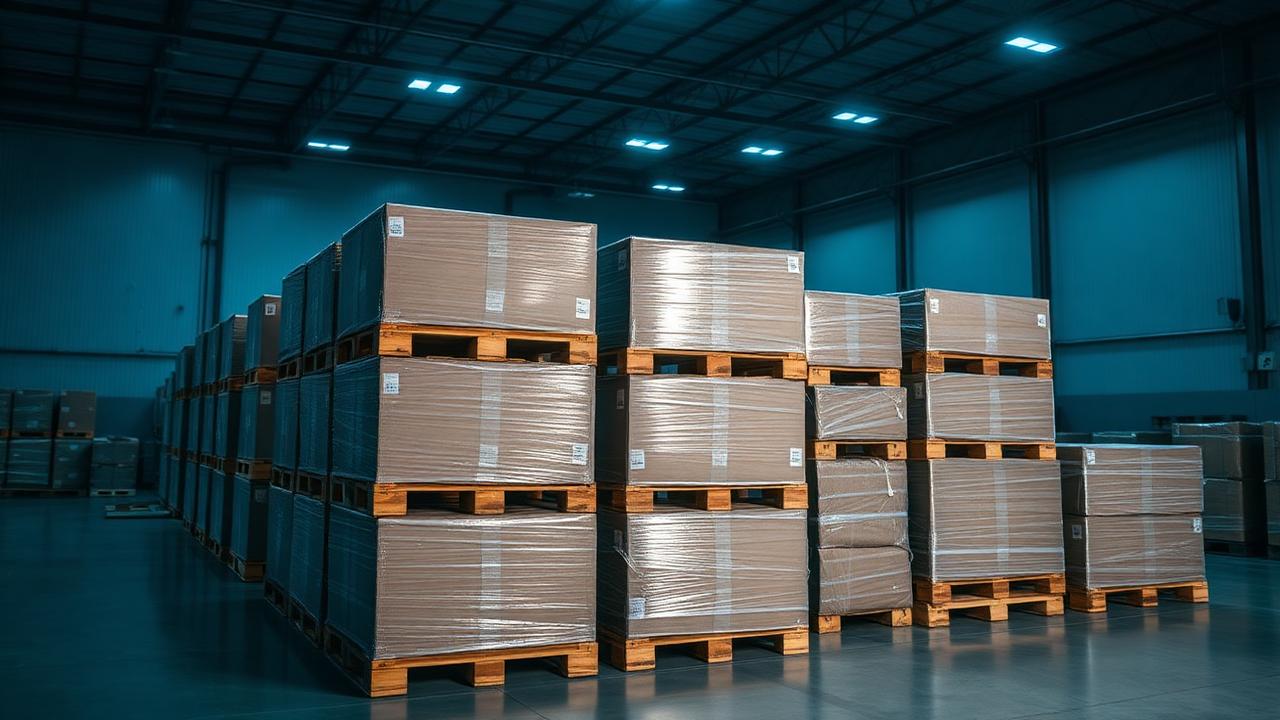
We backed the trailer up to the dock at 7:00 AM on a rainy Tuesday, expecting twenty-four boxed Ninja blenders and DeLonghi espresso machines from a regional distribution center in South Carolina. What we actually unloaded was a wooden skid wrapped in three layers of black shrinkwrap holding twenty-two units, two crushed boxes, and an unmanifested air fryer that smelled like burnt toast the second we plugged it into our bench tester. We paid $640 for the lot and another $185 in freight.
That morning taught us the fundamental rule of this category: appliances are high-margin, heavy, and completely unforgiving if you skip the math. Learning how to flip appliance liquidation pallets without losing your shirt takes more than a spare garage and a wholesale account. You need a fast testing workflow, realistic recovery expectations, and absolute clarity on LTL shipping accessorials.
Small vs. Major Appliances: Choose Your Risk Profile
Before you bid on a single lot, you have to decide whether you are dealing in small benchtop items or major white-goods appliances. They represent two entirely different business models.
Small appliances, think countertop toaster ovens, high-end blenders, multi-cookers, and espresso machines, fit easily on standard 48x40 pallets. You can store four to six of these pallets in a standard single-car garage without feeling completely suffocated. They ship via standard carriers like UPS or FedEx, and they sell quickly on platforms like eBay or Mercari.
Major appliances like French-door refrigerators, front-load washers, and slide-in gas ranges require serious infrastructure. You need a box truck with a liftgate, heavy-duty appliance dollies, and at least 500 square feet of floor space per lot. While a single working refrigerator can net $400 in pure profit, one dead compressor destroys your entire margin for the week. If you are starting out solo, stick to small kitchen and home appliances until your cash flow can swallow a total loss.
Sourcing Strategy: How to Flip Appliance Liquidation Pallets by Grade
Liquidation auctions categorize inventory using condition grades. Understanding what these letters actually mean in terms of bench labor will save you thousands of dollars.
- Grade A/B (Overstock & Shelf Pulls): These units were never opened by consumers. The boxes might have warehouse wear or sticker residue, but the internal factory seals are intact. Expect 80% to 90% recovery relative to current retail prices. These lots command high bid prices, leaving smaller profit margins, but your labor input is virtually zero.
- Grade C (Customer Returns): The wild west of liquidation. Some buyers returned a $300 blender because they did not like the color. Others returned it after dropping the glass pitcher down a flight of stairs and throwing away the lid. Recovery rates on Grade C appliances typically float between 35% and 50% of MSRP.
- Grade D / Salvage: These pallets are strictly for parts or certified repair technicians. Unless you own a shop with access to cheap OEM replacement valves, heating elements, and circuit boards, leave these alone. Your time is worth more than harvesting microswitches from dead microwave ovens.
Category recovery benchmarks differ across liquidation types. While consumer electronics pull roughly 25% to 40% of retail price due to rapid obsolescence, and apparel drags at 8% to 15%, functional small appliances maintain solid recovery rates between 30% and 45% year-round. People always need a working coffee maker or air fryer.
| Metric | Small Appliance Pallets | Major Appliance Lots |
|---|---|---|
| Average Pallet Cost | $400 - $900 | $1,200 - $3,500 |
| LTL Freight Cost | $120 - $250 | $300 - $700 |
| Average Sales Velocity | Fast (7 - 21 days) | Medium (14 - 45 days) |
| Return Rate on Resale | 8% - 12% | 3% - 6% |
| Top Sales Channel | eBay, Mercari, Local Cash | Facebook Marketplace, Local Pick-Up |
Step-By-Step: How to Flip Appliance Liquidation Pallets for Maximum Margin
When the freight truck pulls away, your clock starts ticking. Do not let inventory sit wrapped on the pallet while you figure out what to do with it.
Step 1: Manifest Triage and Tearing Down
Break the shrinkwrap immediately and cross-reference every serial number against the manifest. Check for broken glass, cracked housings, or missing vital power adapters. Group the lot into three distinct stacks: Immediate List (pristine/factory sealed), Needs Bench Testing (opened/used), and Parts/Scrap (severely cracked or non-responsive).
Step 2: Set Up a Dedicated Bench Testing Station
Speed is everything during processing. Set up a counter-height workbench equipped with a heavy-duty surge protector, a Kill-A-Watt meter, a gallon of water, and clean rags.
For blenders and juicers, run water through the pitcher to test for bearing leaks before powering the motor. For espresso machines and air fryers, check if heating elements reach target temperatures within two minutes. If a unit requires deep scrubbing to remove caked-on grease, calculate your hourly rate before spending forty minutes scraping an oven basket worth twenty dollars.
Step 3: Platform Routing and Strategic Pricing
Route your tested items to the sales channel that yields the highest net returns after platform fees.
- eBay: Ideal for high-end brands (Breville, Vitamix, KitchenAid). eBay takes roughly 13.25% plus $0.30 per transaction, but the nationwide buyer pool pays top market price for complete, working units.
- Mercari & Poshmark: Great for lighter kitchen gadgets like food processors and handheld mixers under ten pounds.
- Facebook Marketplace / OfferUp: The best destination for heavy units, cosmetic scratch-and-dent items, or units missing non-essential accessories where shipping costs kill online margins. Local sales bypass shipping hassles and payment processing fees.
The Real Numbers: P&L Breakdown of an 18-Unit Lot
To see how the numbers actually work, let us review a real P&L from an 18-unit customer-return small appliance lot purchased from a major retail liquidation outlet.
Financial Summary
- Manifest Retail Value (MSRP): $2,850.00
- Winning Auction Bid: $480.00
- LTL Freight Cost ($1.65/mile, 140 miles): $231.00
- Liftgate Delivery Accessorial Fee: $50.00
- Residential Delivery Surcharge: $65.00
- Total Cost Basis (Landed Cost): $826.00
Out of 18 units on the manifest, testing yielded 13 fully working units with complete accessories, 3 working units missing minor attachments, 1 cosmetically cracked unit suitable only for parts, and 1 completely dead unit with a burned-out motor.
Resale Revenue
- 13 Complete Working Units (Sold on eBay & Mercari): $1,360.00 gross
- 3 Partial Units (Sold Locally on Facebook Marketplace): $180.00 gross
- 1 Unit Harvested for Parts (Pitcher & Lid sold on eBay): $45.00 gross
- 1 Dead Unit (Scrapped): $0.00
- Total Gross Revenue: $1,585.00
Direct Expenses
- Marketplace Final Value Fees (eBay ~13.25% + fixed): $162.20
- Outbound Shipping Boxes & Bubble Wrap: $42.00
- Net Marketplace Shipping Costs (beyond buyer payments): $28.50
- Total Operating Expenses: $232.70
Final Margin
- Net Profit: $1,585.00 - $826.00 - $232.70 = $526.30
- Return on Investment (ROI): 63.7% on total cash outlay
This is a solid return for roughly six hours of bench testing, cleaning, listing, and packing. However, notice how easily freight accessorials can eat your capital if you fail to calculate them beforehand.
Where Appliance Pallets Go to Die
The biggest financial trap in appliance reselling is not buying a broken item, it is failing to anticipate freight add-ons and missing accessories.
Freight companies do not care that you are running a small business out of your garage. If you do not have an elevated loading dock or a forklift, they will charge you $50 to $75 for a liftgate. If your warehouse sits in a residential zone, add another $50 to $100 for a residential delivery fee. If the driver has to pull into a tight cul-de-sac, you might trigger a limited-access fee ranging from $30 to $60. On a $400 pallet, these extra charges can instantly double your shipping expense and destroy your profit margins before the pallet even lands on your driveway.
Another major point of failure is missing proprietary parts. A Ninja blender base without its multi-blade assembly or specialized lid is virtually worthless as a complete kit. Buying replacement parts at retail prices to make a return complete will destroy your margins every single time. If an item is missing its primary accessory, sell the base unit alone as a replacement part for buyers who already own the attachments.
Before placing bids, analyzing historical manifest yield and calculating true landed freight cost is critical. Mastering how to flip appliance liquidation pallets comes down to evaluating raw manifest data before spending your hard-earned money. Tools like a manifest analysis tool like PalletIQ can quickly identify missing high-value SKUs and flag heavy items that drag down your net profit margins.
Do I need specialized electrical tools to test small appliances?
No, but basic gear helps. You need a standard grounded power strip, a digital thermometer, an outlet monitor like a Kill-A-Watt to check power draw, and a bowl of water to test liquid capacity and seals. A basic multimeter is helpful if you want to test continuity on power cords.
How should I handle items with cosmetic scratches or missing original boxes?
Be completely transparent in your photos and item descriptions. Take clear, close-up photos of scratch marks or minor dents, and explicitly state in the listing that the item ships in generic brown packaging. Accurate descriptions lower your return rates and build trust with customers.
Is it better to list appliances with free shipping or calculated shipping?
Use calculated shipping for anything weighing over five pounds. Small appliances are dense and heavy, meaning shipping costs vary wildly depending on whether your buyer lives one state over or across the country. Calculated shipping protects your profits from unexpected postage costs.
Pallet IQ Editorial Team
We buy, grade and resell liquidation pallets, then turn what we learn into the tools on Pallet IQ. Every guide here comes from real manifests, real bids and real sell through numbers.
Written August 17, 2026, last reviewed October 19, 2026