Common Mistakes Buying Home Depot Liquidation Pallets
I paid $1,100 for a pallet of Milwaukee fuel bare tools, only to realize half the rotors were scorched and the batteries were missing. Here is how to avoid my costliest sourcing mistakes.
By Pallet IQ Editorial Team
Published · Updated
 Liquidation Sourcing
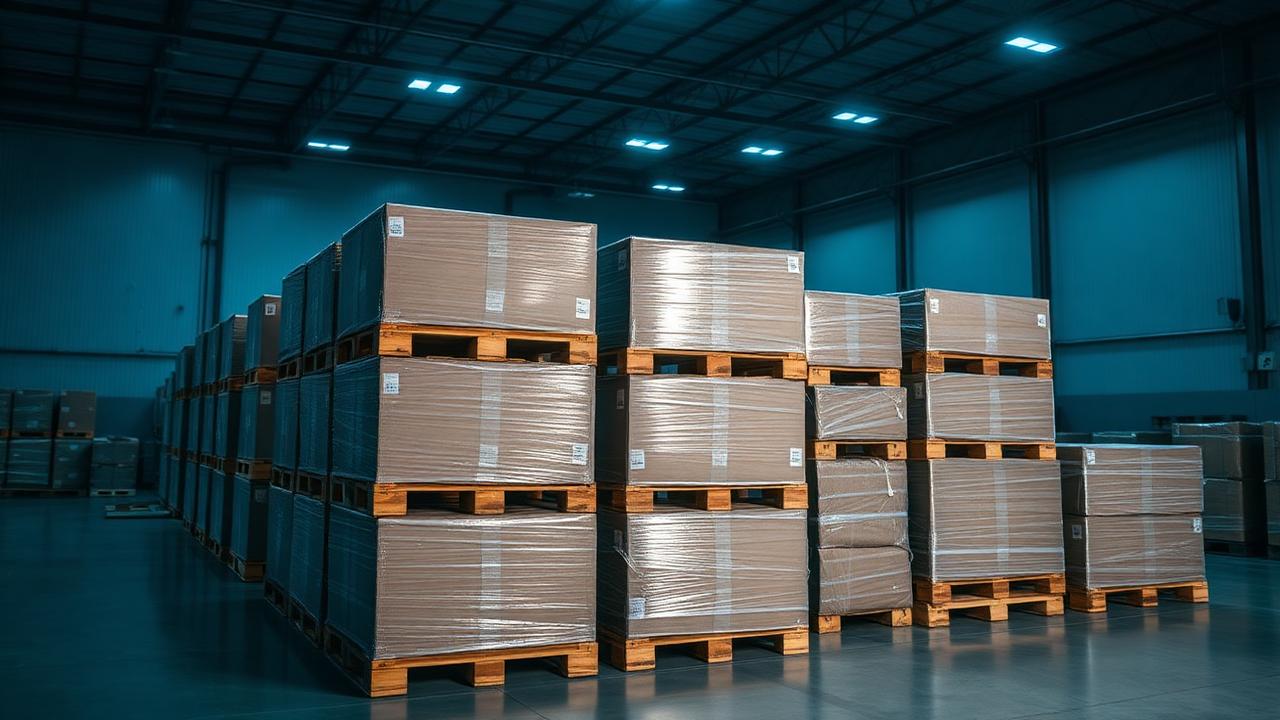
A 48-by-40 pallet wrapped in black stretch film arrived from a Home Depot return center in Atlanta. On paper, it was a goldmine: $4,200 MSRP of Ryobi 18V lawn mowers, Milwaukee impact drivers, and Rigid shop vacs. In reality, seven of the nine power tools had their brushless motors burned out, three lawn mowers were missing key safety keys, and someone had swapped a broken 10-year-old brushed drill into a current-generation fuel box. We cleared barely $210 after platform fees and freight. That painful lesson taught us the most common mistakes buying home depot liquidation pallets, and why treating hardware returns like standard retail overstock will wipe out your working capital fast.
Home Depot is one of the largest liquidation sources in North America, dumping thousands of customer return pallets and overstock lots weekly onto official auction portals like B-Stock. Because power tools, outdoor power equipment, and plumbing hardware hold high original retail values, new resellers rush into these auctions with wild expectations. But home improvement inventory carries unique hazards that soft goods or electronics do not. If you do not know how to evaluate a tool manifest, estimate LTL freight charges, or calculate realistic recovery rates, you are essentially gambling on garbage.
The Most Common Mistakes Buying Home Depot Liquidation Pallets on B-Stock
The single biggest error buyers make is trusting retail MSRP on a customer return manifest. When a homeowner buys an auger, uses it once to dig fence posts over the weekend, covers it in red mud, and drops it back at the customer service desk on Monday, Home Depot logs that item at full retail value ($349 MSRP) on the manifest. The manifest does not tell you that the motor casing is cracked or that the engine seized from overheating.
Power tools present another specific trap: stripped units and missing accessories. Retail customers frequently buy a kit containing a drill, two lithium batteries, a charger, and a contractor bag. They keep the fresh batteries, put their degraded five-year-old batteries back in the box, or return the tool bare without any batteries or charger at all. When you calculate your resale value, you cannot price a bare tool at kit value. According to our recovery rate report, hardware and power tool customer returns average a 30-45% realistic net recovery off MSRP, compared to overstock merchandise which can hit 50-60%. If you bid assuming a 60% yield on customer returns, your profit margin disappears before the freight truck hits your driveway.
Another frequent blunder is ignoring lot grading designations. Home Depot lots generally fall into four distinct condition tiers: Overstock (Grade A), Scratch and Dent (Grade B), Customer Returns (Grade C), and Salvage (Grade D). Buying a Grade C or D lot expecting plug-and-play inventory leads directly to dead weight in your storage space.
Understanding Home Depot Inventory Grades
To keep your sourcing clear, you need to align your processing capacity with the right inventory tier. Here is how Home Depot liquidation lots compare across key operational metrics:
| Lot Grade | Manifest Accuracy | Testing Labor Required | Average Net Recovery | Best Resale Channel |
|---|---|---|---|---|
| Overstock (Grade A) | 95-98% | Minimal (Visual inspection) | 50-60% | eBay, Amazon, Local Cash |
| Scratch & Dent (Grade B) | 85-92% | Moderate (Function test) | 40-50% | Local Cash, OfferUp, Whatnot |
| Customer Returns (Grade C) | 70-85% | Heavy (Teardown & part swap) | 30-45% | eBay Parts/Repair, Local |
| Salvage (Grade D) | 50-70% | Extensive (Scrap or rebuild) | 15-25% | Swap Meets, Scrap Metal |
Notice the drop in net recovery between Grade A and Grade C. That gap represents the hidden cost of testing, cleaning, and sourcing missing components. If your business model relies on fast turnarounds without dedicated workbench labor, Grade C tool pallets will stall your operations.
Freight Surprises and Hidden Delivery Costs
You win an auction for $650 on a 600-pound pallet of Husky mechanics tool sets and think you got a steal. Then the invoice hits your account with $380 in base Less-Than-Truckload (LTL) freight, plus a $75 liftgate charge, a $60 residential delivery fee, and a $45 limited-access surcharge because your warehouse is behind a residential property line. Suddenly, your $650 bargain costs $1,210 before you even cut the stretch wrap.
LTL carriers like FedEx Freight charge strict fees for specialized delivery conditions, known in the industry as accessorials. If you do not own a commercial facility with a raised loading dock and a forklift, every pallet you bid on must factor in these additional delivery fees. Running your numbers through a dedicated shipping cost calculator before placing a final bid prevents freight expenses from swallowing your expected margin.
How to Avoid Financial Mistakes Buying Home Depot Liquidation Pallets
Resellers often calculate potential profit using top-line sales prices on pristine eBay listings without deducting channel overhead. If you sell a refurbished Ryobi miter saw on eBay for $180, you do not keep $180. Between eBay seller fees averaging roughly 13.25% plus $0.30 per transaction, heavy dimensional shipping costs, and sales tax adjustments, your actual payout might be closer to $130.
For heavy, low-margin hardware like lawn edgers, shop vacuums, or air compressors, shipping nationwide often kills your margin entirely. These bulky items perform much better when cleared locally via platforms like Facebook Marketplace where buyers pay cash on pick-up and eliminate shipping fees completely. Matching the right inventory item to the correct sales channel is critical to keeping your net margin intact.
Worked P&L Example: Analyzing a Mixed Tool Pallet
Let us walk through a real-world scenario to see how the math actually works on a standard Home Depot return lot. We will analyze a 20-unit mixed power tool and outdoor power equipment pallet sourced out of an Indiana regional distribution center.
Manifest Details and Costs:
- Total Manifest MSRP: $4,500
- Winning Auction Bid: $720
- Base LTL Freight (450 miles): $240
- Residential & Liftgate Accessorials: $125
- Total Delivered Cost Basis: $1,085
Resale Breakdown and Yield:
- Tested working units (10 items sold on eBay): $1,450 gross revenue
- Tested working units (5 heavy items sold locally for cash): $550 gross revenue
- Parts/repair units (3 items sold as-is on eBay): $180 gross revenue
- Dead scrap/unusable units (2 items thrown away): $0
- Total Gross Realized Revenue: $2,180
Fees and Expenses:
- eBay Final Value Fees & Payment Processing (13.25% + $0.30 on $1,630 sales): $221
- Outbound Shipping Costs paid by seller: $210
- Cleaning, testing supplies, and replacement parts: $45
- Total Operating Overhead: $476
Net Profit Calculation:
- Net Revenue: $2,180 gross minus $476 overhead = $1,704
- Total Net Profit: $1,704 minus $1,085 cost basis = $619
- Net ROI on Cost Basis: 57% ($619 / $1,085)
- Effective Recovery Rate on MSRP: 37.8% ($1,704 net sales / $4,500 MSRP)
Decision: This was a profitable lot, but only because we capped our maximum bid at $720. If we had bid up to $1,200 based on the illusion of a $4,500 MSRP, our net profit would have plummeted to $139 for over 15 hours of shop labor. Always set your ceiling using a maximum bid calculator before the auction timer starts ticking down.
How This Goes Wrong: The Infinite Workbench Trap
The ultimate failure mode for home improvement pallet resellers is what we call the Infinite Workbench Trap. It happens when a reseller fills every square foot of their garage or shop with Grade C power tool loads, assuming they will eventually fix every non-working unit.
You spend three hours taking apart a Milwaukee table saw only to discover a fried armature that costs $110 to replace on an item that only sells for $150 refurbished. Meanwhile, three new pallets arrive in your driveway, forcing you to stack uninspected boxes outside under tarps. Rain seeps through, rusting cast-iron surfaces and destroying printed boxes. Your cash is completely tied up in non-functional inventory, your storage space is blown out, and you lack the liquidity to bid on clean, fast-turning overstock lots when they pop up.
To break this cycle, you must establish strict teardown limits. If a tool requires more than 20 minutes of diagnostic work or more than 25% of its resale value in replacement components, list it immediately as an as-is parts lot or scrap it. Running your manifest data through a manifest analysis tool like Pallet IQ helps you flag low-yielding SKUs before you spend money shipping them to your facility.
Final Checklist for Sourcing Success
Avoiding the common mistakes buying home depot liquidation pallets comes down to operational discipline. Do not let impressive original MSRP figures blind you to missing batteries, LTL accessorial charges, or workbench labor costs. Keep your bid limits rigid, know your local market limits for heavy goods, and always test hardware immediately upon arrival to keep your cash flowing into fresh, profitable inventory.
What is the average recovery rate on Home Depot customer return pallets?
For hardware, tools, and outdoor power equipment customer returns, realistic net recovery typically lands between 30% and 45% of original manifest MSRP after accounting for defective units, missing parts, and platform selling fees.
Are Home Depot overstock pallets better than customer returns?
Yes. Overstock lots (Grade A) feature brand-new merchandise, intact retail packaging, and near 100% functionality. While they command higher auction bids, they require zero diagnostic labor and convert to cash significantly faster than customer return lots.
How do I handle heavy hardware items that cost too much to ship?
Sell heavy, bulky items like pressure washers, chop saws, and generator frames on local cash-and-carry platforms like Facebook Marketplace or OfferUp. This eliminates outbound freight fees, prevents shipping damage, and puts immediate cash back into your business.
Pallet IQ Editorial Team
We buy, grade and resell liquidation pallets, then turn what we learn into the tools on Pallet IQ. Every guide here comes from real manifests, real bids and real sell through numbers.
Written September 6, 2026, last reviewed October 19, 2026