Buying Liquidation Pallets Salt Lake City UT
A deep look at freight realities, regional pickup hubs, and real P&L margins for resellers buying liquidation lots along the Wasatch Front.
By Pallet IQ Editorial Team
Published · Updated
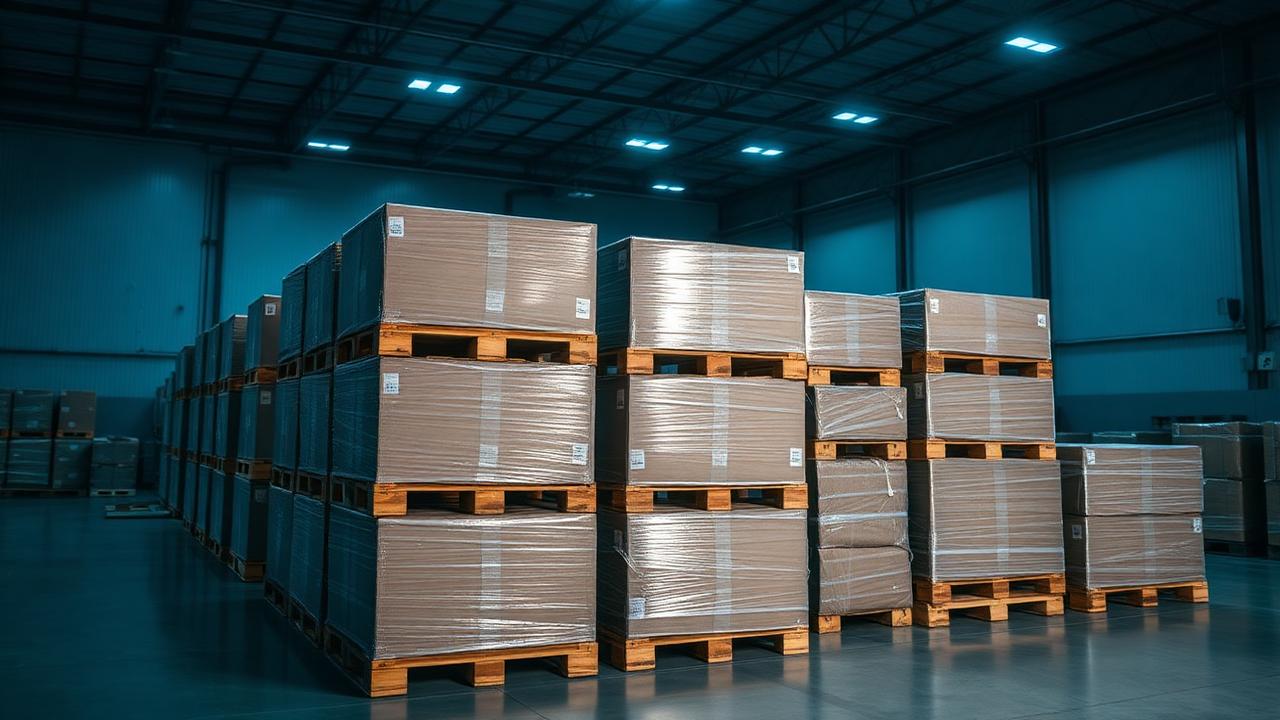 Freight Logistics
Last October, we backed a 16-foot box truck up to a warehouse bay off California Avenue in West Valley City. The seller promised a high-yield home improvement manifest from a major big-box retailer. What we got was four pallets of broken pressure washers, missing spray wands, and three cordless mowers without batteries. We lost $1,140 on that run after accounting for diesel, shop time, and scrapped parts.
If you are buying pallets salt lake city ut sellers offer, you are dealing with a unique logistics landscape. Utah sits in a regional freight hub between the Pacific Northwest, Southern California, and Denver. That geographic position creates distinct opportunities for resellers who know how to calculate real landing costs, but it also creates traps for buyers who do not understand local LTL dynamics.
Sourcing liquidation inventory in the Intermountain West requires more than just high bids on auction portals. You need a strategy for managing transport, auditing manifests, and accurately projecting resale yield.
The Freight Reality of Buying Pallets Salt Lake City UT
Salt Lake City is a major logistics gateway along I-15 and I-80. However, shipping a single 500-pound pallet into the Wasatch Front from a distribution center in Sparks, Nevada or Moreno Valley, California is rarely cheap. Standard LTL freight runs anywhere from $0.80 to $2.50 per mile. If you lack a commercial dock with a forklift in industrial SLC, carrier accessorial fees stack up fast.
A residential delivery fee adds $50 to $100 immediately. A liftgate fee adds another $50 to $75. If your storage facility sits in a tight industrial park with limited truck turnaround, expect a $30 to $60 limited-access charge. You can estimate these numbers before committing capital with our shipping cost calculator. Check freight policies directly on FedEx Freight to avoid getting hit with mid-transit re-weight penalties.
| Sourcing Method | Upfront Freight Cost | Risk Profile | Best Used For |
|---|---|---|---|
| Local Truck Pickup (SLC Hubs) | $0 - $60 (Fuel/Rental) | High (Often Unmanifested) | Bulk Hardgoods, Heavy Equipment |
| Regional LTL (CA/NV to SLC) | $180 - $350 per pallet | Medium (Manifested Lots) | Small Appliances, Power Tools |
| National LTL (East Coast to UT) | $350 - $600+ per pallet | Low to High | High-Margin Electronics Only |
Local pickup removes LTL shipping charges entirely, but local SLC brokers often charge a premium or sell raw, unmanifested returns. When you import via regional LTL, your transit cost is higher, but you gain access to direct retail auction contracts with clear line-item listings.
Evaluating Manifests Before You Buy in Utah
Understanding item condition categories is critical before committing your capital. In our liquidation glossary, customer returns are defined as Grade C or D stock. They are not shelf pulls. According to the NRF returns research, total retail returns reached over $743 billion across the industry, with e-commerce return rates lingering near 17.6%.
When sourcing along the Wasatch Front, you need to match your sales strategy to your category recovery rates. Our recovery rate report shows that power tools consistently yields 30-45% of retail value, whereas fashion and apparel often drag down to 8-15%.
Always ask these questions when reviewing a manifest:
- Does the inventory list original UPCs or just internal SKU numbers?
- What percentage of the lot contains heavy items that require expensive individual outbound shipping?
- Are the power tools sold as complete kits or bare tools without batteries?
- Is the seller a direct retailer or an intermediate broker marking up salvaged stock?
If a manifest contains mostly unbranded goods or lacks universal product codes, reduce your expected recovery estimate by at least 15% to buffer against unlisted defects.
A Worked P&L: 38-Unit Tool Lot Sourced Near SLC
Let us walk through a realistic financial breakdown for a power tool lot purchased near Salt Lake City. In this example, the buyer sources a 38-unit return lot originating from a regional distribution center in Nevada, purchased on a corporate auction network like B-Stock.
- Winning Auction Bid: $850.00
- Buyer's Premium (10%): $85.00
- LTL Freight (Sparks, NV to SLC terminal): $220.00
- Local Pickup Truck Fuel (Terminal to Shop): $25.00
- Total Cost Basis: $1,180.00
Upon processing the 38 units at the shop, the condition breakdown yields the following inventory breakdown:
- 24 Fully Functional Units (Average Resale $65.00): $1,560.00
- 8 Repacked/Minor Cosmetic Units (Average Resale $45.00): $360.00
- 4 Repaired/Partially Working Units (Average Resale $35.00): $140.00
- 2 Dead/Scrap Units (Parts Value): $20.00
- Gross Resale Revenue: $2,080.00
Now calculate outbound selling expenses. If you list this inventory across primary platforms, calculate fees using a marketplace fee calculator. Standard costs average around 13.25% plus $0.30 per transaction according to eBay seller fees.
- Gross Resale Revenue: $2,080.00
- Marketplace Selling Fees (~13.25% + fixed fees): $287.00
- Outbound Shipping Supplies and Packing Material: $180.00
- Net Collected Revenue: $1,613.00
- Less Total Cost Basis ($1,180.00):
- Net Profit: $433.00
This lot generated a 36.7% return on investment. If freight costs had spiked by $150 due to missed terminal liftgate requirements, that net profit would have plummeted to $283. Before submitting your maximum bid on any auction, run your proposed numbers through our maximum bid calculator to maintain strict profit margins.
Avoiding Scams When Sourcing Pallets Salt Lake City UT
The fastest way to lose money on pallets salt lake city ut inventory is density reclassification and unmanifested mystery Gaylords.
When you buy an unmanifested pallet from an unknown broker off Redwood Road or in South Salt Lake, you are taking an extreme gamble. Secondary brokers often buy mega-loads, cherry-pick the high-value electronics and usable power tools, and re-palletize the rest as general merchandise. You think you are getting mixed retail returns, but you are actually receiving empty retail boxes, stripped power cords, and cracked plastics.
The second major failure mode happens at the regional LTL terminal. If you ship a pallet from an out-of-state facility and the shipping terminal re-weighs or re-classifies your shipment from Freight Class 85 to Freight Class 150 because of dimensional weight issues, your freight invoice can jump from $220 to $480 overnight. Suddenly your clean $433 profit disappears completely.
Protect your operation by adhering to three rules:
- Never purchase unmanifested loads locally unless you can physically inspect the top, sides, and middle of the pallet inside the warehouse.
- Always verify actual shipping weights with the bill of lading before agreeing to carrier pickup terms.
- Keep cash reserves available for unexpected dump fees on zero-yield salvage loads.
Sourcing Strategy: Where to Buy and What to Avoid
If you prefer local pickup over national freight shipping, check verified local operations listed in our pallet liquidators by city directory. Local regional auctions allow you to pick up inventory with a standard pickup truck or utility trailer, saving hundreds on LTL charges.
However, local yards are often flooded with returned merchandise that has already passed through two or three reseller hands. Direct platform sourcing remains the safest path for clean customer returns, provided you account for Intermountain West freight costs.
Before placing bids on any lot, download the manifest spreadsheet. Check line items, retail prices, and manufacturer codes. Run the dataset through a manifest analysis tool like Pallet IQ to generate automated yield estimates and detect missing high-value SKUs.
Do I need a Utah resale certificate to buy liquidation pallets in Salt Lake City?
Yes. If you buy from commercial liquidators or auctions located in Utah, you will be charged state sales tax unless you provide a valid Utah State Tax Commission Exemption Certificate (Form TC-721). Holding a resale license allows you to buy tax-free for inventory intended for resale.
Should I pick up liquidation pallets myself or pay for LTL freight?
If you own a box truck or trailer and live within an hour of the Salt Lake City distribution hubs, local pickup saves $150 to $350 in freight accessorials per run. However, factor in your travel time, trailer capacity, fuel cost, and whether the seller has a forklift to load open-bed trailers.
What categories sell best in the Salt Lake Valley resale market?
Outdoor power equipment, home improvement tools, and contractor gear sell very fast along the Wasatch Front due to high regional demand for home maintenance and construction. Apparel and generic home decor have much lower recovery rates and slower sell-through locally.
Navigating the local supply of pallets salt lake city ut offers requires a strict mathematical approach. Keep your freight lean, audit every manifest, calculate fees upfront, and never buy blind unless you are prepared to pay landfill fees.
Pallet IQ Editorial Team
We buy, grade and resell liquidation pallets, then turn what we learn into the tools on Pallet IQ. Every guide here comes from real manifests, real bids and real sell through numbers.
Written August 31, 2026, last reviewed October 19, 2026