Best Places to Buy Untested Pallets for Real Profit
Untested return pallets can double your money or turn your garage into a dump. Here is where actual resellers source raw inventory without getting burned.
By Pallet IQ Editorial Team
Published · Updated
 Sourcing Strategy
We once paid $850 for a truckload spot-lot of unmanifested, raw target returns out of a distribution center in Georgia. Half the lot was crushed cardboard and missing power cords. The other half contained six high-end Espresso machines, four working DeWalt tool combo kits, and enough small kitchen gear to keep our eBay store fed for two months. We netted $2,400 after fees and freight. That single haul taught us the primary rule of raw inventory: profit lives in the gap between what the marketplace thinks is garbage and what you can test, clean, and sell. Finding the best places to buy untested pallets is about finding platforms that do not cherry-pick the good stuff before you get a shot at bidding.
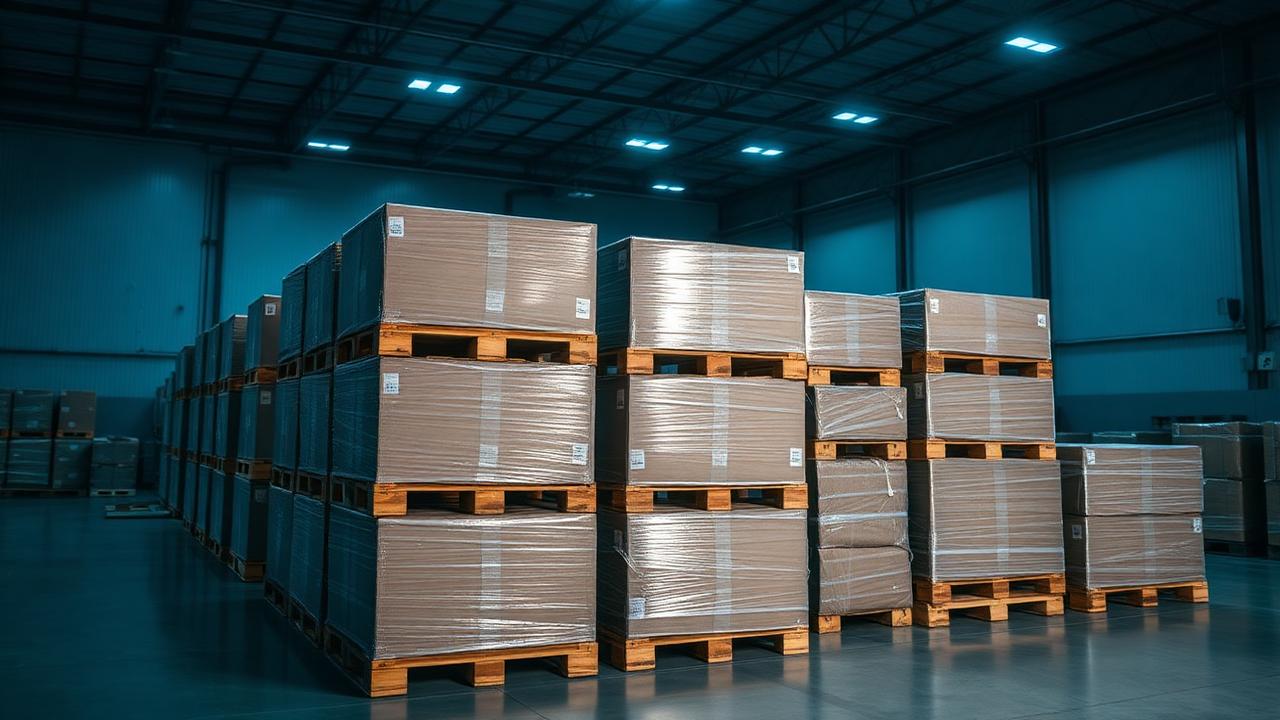
Untested pallets are raw, unvetted returns shipped straight from retail return centers to auction blocks. Nobody at the warehouse plugged the blender in. Nobody checked if the drill kit still had its lithium battery. When you buy these loads, you take on total functional risk. In exchange, your cost basis per unit drops to pennies on the dollar compared to shelf-pulls or re-certified inventory.
Understanding Recovery Rates by Category
Before you drop a single dollar on raw inventory, you need to understand that recovery rates vary wildly by item category. Category averages dictate your break-even point long before the freight truck hits your driveway.
Electronics carry an average recovery rate of 25-40%. Consumers return electronics because they could not connect them to Wi-Fi, hated the app, or realized they bought the wrong cable. However, internal board failures and heavy transit damage clear out a massive chunk of your expected margin.
Apparel delivers the lowest recovery rate for raw loads, often landing between 8-15%. Customer returns in clothing suffer from missing tags, deodorant stains, tears, and incorrect size labeling. Unless you get clothing loads for under $50 a pallet, the labor required to wash, prep, and measure units eats your profit whole.
Power tools and hardware yield the highest recovery rates in the liquidation ecosystem, frequently hitting 30-45%. Contractors and DIY builders return tools after finishing a single weekend project. The tool usually works perfectly fine, though it might be covered in drywall dust or missing an auxiliary handle.
Best Places to Buy Untested Pallets for Resale
Finding reliable source platforms requires knowing who controls the supply chain. You want marketplaces that connect you directly to the enterprise retailer, eliminating middleman brokers who skim high-value items out of boxes.
Direct Retailer B2B Auction Portals
Major retail chains do not want to manage customer returns. They run official corporate liquidation marketplaces hosted by platforms like B-Stock Solutions. You can bid directly on raw return loads from Target, Walmart, Home Depot, Wayfair, and Amazon.
Buying direct ensures the inventory is truly untested. Retail warehouse workers simply sweep customer returns into gaylord boxes, weigh them, print a shipping label, and post the manifest. You get the rawest inventory available, which means higher scrap rates but also a much higher chance of pulling pristine open-box inventory.
General Liquidation Auction Platforms
Platforms such as Liquidation.com and Direct Liquidation consolidate returns from multiple mid-tier retailers. These platforms list thousands of lots weekly, ranging from single untested pallets to full 53-foot truckloads.
Watch out for grade designations on these sites. Untested inventory is generally listed as Grade D or Salvage. If a listing claims to be untested but comes from an independent regional liquidator rather than a major corporate retailer, exercise extreme caution. Second-tier brokers sometimes test the expensive items, sell the working units on their own channels, and wrap the non-working trash back onto a pallet to list as untested.
Local Regional Liquidation Warehouses
If you want to dodge high LTL freight costs, local liquidation yards are your best bet. These regional facilities buy full truckloads from national chains and break them down into individual pallet sales for local buyers.
Local yards let you inspect the physical pallet before paying. Look through the plastic shrink-wrap. Check whether the boxes on top match the general description, and inspect the bottom layer for crushed boxes or water damage. The downside is that regional yards often add a markup to cover their freight and storage, slightly narrowing your margins.
Liquidation Platform Sourcing Comparison
| Platform Type | Source Directness | Risk Level | Freight Cost | Average Recovery Range |
|---|---|---|---|---|
| Enterprise B2B Portals | Direct Retailer | High | High (LTL/TL) | 30% - 50% |
| National Auction Sites | Mixed Broker / Direct | High | Medium to High | 20% - 40% |
| Regional Liquidation Yards | Third-Party Broker | Medium | Low (Self-Pickup) | 15% - 35% |
| Pallet Wholesalers | Third-Party Broker | Very High | Medium | 10% - 30% |
How to Evaluate an Untested Lot Before Bidding
Successful resellers never bid blindly. Even without a detailed item-by-item condition report, raw manifests provide critical clues if you know how to read them.
Start by calculating the average cost per unit including estimated freight. If a lot contains 50 items and costs $500 to land at your shop, your cost basis is $10 per unit. If 30 of those items are low-value kitchen utensils that sell new for $12 on Amazon, the math fails immediately. You need lots where a small percentage of high-value anchor items cover your entire landed cost basis.
Examine the distribution center origin code. Logistics networks process returns differently depending on the facility type. Return centers located near wealthy metro suburbs tend to yield higher proportions of soft-return items where the customer simply changed their mind. Returns processed through central salvage centers often contain heavier freight damage and store-level write-offs.
Using a manifest analysis tool like Pallet IQ helps you parse thousands of line items in seconds, cross-referencing market prices across eBay and Amazon so you do not manually lookup 200 part numbers while an auction timer ticks down.
Full P&L Breakdown of a Raw Return Lot
To understand how an untested transaction works out in practice, let us walk through a real-world financial breakdown of a 48-unit small hardware return pallet sourced out of an Indiana distribution center.
Upfront Sourcing Costs
Winning auction bid: $520.00
Base LTL freight charge: $185.00
Liftgate accessorial fee: $50.00
Residential delivery accessorial fee: $60.00
Total Landed Investment: $815.00
Processing & Sales Breakdown
After testing and processing all 48 units over a 12-hour window, the inventory categorized into three distinct buckets:
15 Complete & Working Units: High-grade items needing only light cleaning. Sold across eBay and Mercari. Total gross sales: $1,100.00.
20 Functional Units Needing Parts/Repair: Items missing minor accessories or hardware. Sold as-is for parts or repaired using spare stock. Total gross sales: $550.00.
13 Scrap Units: Crushed, burned out, or non-repairable items. Total gross sales: $0.00.
Total Gross Realized Revenue: $1,650.00
Fees and Operational Overhead
Average marketplace selling fees (eBay ~13.25% + $0.30 fixed per order): $222.75
Outbound shipping materials (boxes, bubble wrap, tape): $35.00
Scrap disposal fees (local recycling run): $15.00
Total Operating Expenses: $272.75
Net Profit and Decision Outcome
Gross Revenue ($1,650.00) minus Operating Expenses ($272.75) equals Net Revenue of $1,377.25.
Net Revenue ($1,377.25) minus Total Landed Investment ($815.00) yields a Net Profit of $562.25.
This lot generated a 69% return on investment and paid roughly $46 per hour for processing labor. The venture was a clear winner because the anchor items, specifically two cordless miter saws, recovered $600 alone.
How This Goes Wrong: The Trash Transfer Trap
Buying raw loads carries real operational dangers. The most devastating failure mode occurs when new resellers fail to account for LTL freight accessorial charges and scrap disposal limits.
Freight companies charge heavy penalties if your delivery location lacks a commercial loading dock or forklift. If a truck arrives at your home address and requires a liftgate to lower the pallet, the carrier will add an unapproved liftgate fee of $50-$75, along with a residential delivery surcharge of $50-$100. If your street is too narrow for a 53-foot tractor-trailer, you will get hit with a limited-access fee of $30-$60. These surprise charges turn a profitable $400 pallet into an instant loss before you even cut the shrink-wrap.
The second failure mode is inventory accumulation. If you buy a 60-unit lot and 30 items are completely broken, you now own 250 pounds of unsellable plastic and metal scrap. If your municipal trash collector limits residential bin sizes, paying to haul electronic waste to a commercial recycling center drains your remaining cash flow.
Avoid buying high-density, low-value lots like cheap plastic toys or off-brand home goods. The failure rates match high-end tools, but you lack the anchor items needed to bail out your freight bill.
What does untested pallet mean in liquidation?
Untested means the seller or retailer has not plugged in, checked, or verified the functionality of the returned products inside the lot. Items are sold strictly as-is, ranging from brand-new open-box goods to completely dead, broken, or missing-part salvage units.
Are untested pallets better than tested pallets?
Untested pallets offer lower acquisition costs per unit and higher maximum profit margins because brokers have not removed high-value items. However, they carry significantly higher risk. Tested pallets cost much more upfront, but they eliminate total functional duds and reduce scrap processing labor.
How do I calculate freight costs for online liquidation auctions?
Request standard LTL freight quotes using the origin zip code listed on the auction and your destination zip code. Always add accessorial costs to your calculation, including $50-$75 for a liftgate, $50-$100 for residential delivery, and $30-$60 if your facility is considered limited-access.
Pallet IQ Editorial Team
We buy, grade and resell liquidation pallets, then turn what we learn into the tools on Pallet IQ. Every guide here comes from real manifests, real bids and real sell through numbers.
Written August 28, 2026, last reviewed October 19, 2026