Best Places to Buy Shoe Liquidation Pallets
Footwear liquidations can yield high margins or leave you buried in single shoes and crushed boxes. Here is where to source shoe pallets and how to run the real math.
By Pallet IQ Editorial Team
Published · Updated
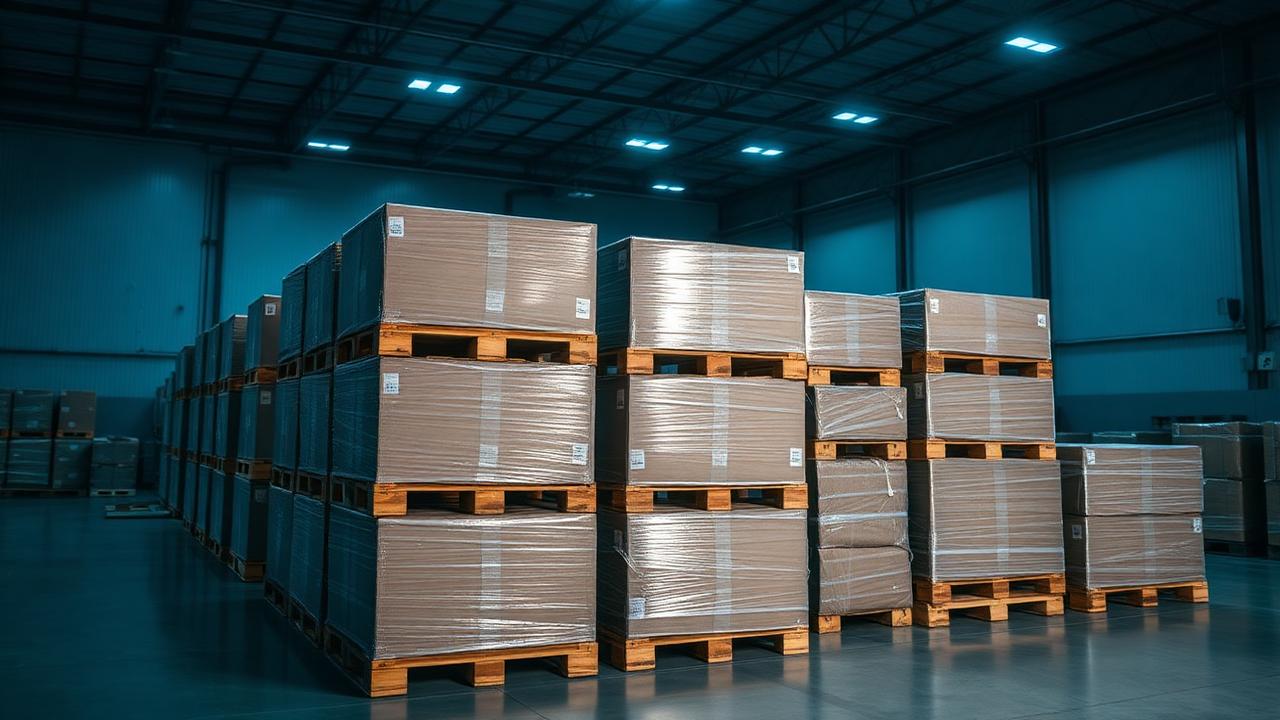 Marketplace Sourcing
We once took delivery of a four-pallet footwear lot out of a Charlotte distribution center. The manifest listed 312 pairs of athletic shoes from recognized brands. When we cut the stretch wrap, 42 pairs were missing their original shoe boxes, and eight boxes contained two left shoes. That single shipment taught us more about sourcing footwear than two years of reading online forums.
Retailing footwear returns and shelf pulls is a profitable business, but it punishes lazy math. E-commerce apparel and footwear categories face higher return rates than almost any other sector. Retail industry reports from the NRF returns research show overall return rates hovering around 14-16%, with online apparel and footwear spiking even higher due to fit issues. Finding the best places to buy shoe liquidation pallets requires knowing which platforms source clean merchandise and which ones dump uninspectable junk onto unsuspecting buyers.
Here is how to navigate footwear sourcing platforms, evaluate shoe manifests, run a realistic profit and loss statement, and avoid the operational pitfalls that ruin reseller margins.
Where to Buy Shoe Liquidation Pallets
Not all liquidation platforms operate on the same business model. Some function as direct B2B auction portals for major retail chains, while others are middleman brokers who buy bulk truckloads, pick out the high-value pairs, and re-palletize the rest. To build a repeatable business, you need to know who actually holds the inventory.
Direct retailer auction portals like B-Stock host official liquidation storefronts for major department stores, athletic brands, and mass-market retailers. Buying through these storefronts usually gives you cleaner condition descriptions, direct shipping from the retailer's return processing centers, and lower markups. However, truckload quantities or multi-pallet minimum bids are common, making them harder for smaller home-based sellers to access.
If you need single-pallet buys, open wholesale liquidation auction sites such as Liquidation.com allow smaller order volumes. You will find footwear lots ranging from 50 to 300 pairs. The trade-off is higher variance in lot quality and manifest accuracy. Independent liquidators and local wholesale warehouses are another option. You can search for local liquidators through a directory of pallet liquidators by city to find regional facilities where you can inspect pallets in person before paying.
Comparing different platforms helps you align your budget with the right sourcing channel. You can read a broader breakdown of sourcing venues in our liquidation marketplace comparison guide.
Platform Comparison for Shoe Pallet Sourcing
| Platform / Source Type | Typical Lot Size | Manifest Detail | Condition Risk | Best Suited For |
|---|---|---|---|---|
| Retailer Direct Auctions | 3 to 26 Pallets | High (Itemized) | Low to Medium | Warehouse operators with bulk storage |
| Open Auction Portals | 1 to 4 Pallets | Medium (Partial) | Medium to High | Mid-tier sellers seeking flexibility |
| Regional Wholesale Liquidators | 1 to 2 Pallets | Low to Medium | Varies (In-person inspection possible) | Local sellers with truck pickup |
| Unmanifested Mystery Lots | Single Pallets | None | Very High | Bargain hunters willing to gamble |
Grading Footwear Lots: Shelf Pulls vs Customer Returns
When reading a footwear listing, look at the inventory grade first. In the liquidation glossary, footwear is generally classified into two main types: shelf pulls and customer returns.
Shelf pulls are unsold retail store inventory, overstock, or end-of-season closeouts. These shoes were displayed on retail racks or held in backrooms. Boxes might show price stickers or minor handling wear, but the shoes themselves are unworn. Shelf pulls typically deliver a category recovery rate of 35-50% relative to original retail price. You can check expected yield across categories using our recovery rate report.
Customer returns are items bought by consumers and shipped back to the seller or returned to a store counter. Footwear return causes range from simple wrong-size orders to shoes worn for three weeks on a hiking trip and washed in a domestic washing machine. With customer return pallets, expect 10-20% of the lot to require serious reconditioning, box replacement, or deep discount listing as used footwear. Overall recovery rates on customer return shoes generally sit around 20-35%.
Always run the manifest through a manifest analyzer before bidding. Look for red flags like a severe concentration of extreme sizes (such as men's size 5 or size 16) or high percentages of non-branded generic footwear labeled as assorted styles.
The Real Math: Fully Worked Footwear P&L
Buying footwear liquidation pallets without including freight and selling platform fees is the fastest way to lose money. Let us walk through a real P&L scenario for a single footwear pallet.
Imagine winning an auction for a 120-pair customer return footwear lot containing mixed athletic and lifestyle sneakers. The winning hammer bid is $950.
Step 1: Calculate Total Delivered Cost
Winning Bid: $950.00
Buyer Premium (10%): $95.00
LTL Freight Shipping: $310.00
Liftgate Accessorial Fee: $75.00
Residential Delivery Accessorial Fee: $60.00
Total Cost Basis: $1,490.00
Per-Pair Cost Basis: $1,241.67 / 120 = $12.42 per pair
Shipping accessorial fees can quickly destroy your margins. You can estimate freight impact across carriers like FedEx Freight or run instant calculations using our shipping cost calculator.
Step 2: Audit and Categorize Inventory Yield
After sorting and processing the 120 pairs, your actual sellable breakdown looks like this:
- 70 pairs: Grade A (New in Box / Like New). Market value $45 each = $3,150.00
- 30 pairs: Grade B (Light wear, missing box, polybagged). Market value $25 each = $750.00
- 10 pairs: Grade C (Heavy wear / minor defect, sold as used). Market value $12 each = $120.00
- 10 pairs: Unsellable (Mismatched sizes, single shoes, severe damage) = $0.00
Total Gross Projected Sales: $4,020.00
Step 3: Deduct Fees and Operating Expenses
Platform fees vary depending on where you sell. Standard final value fees on platforms like eBay average roughly 13.25% plus a $0.30 fixed fee per transaction, as outlined in the eBay seller fees breakdown. You can compare different marketplace fee structures using a marketplace fee calculator.
Gross Resale Volume: $4,020.00 (across 110 sellable pairs)
Average Selling Price (ASP): $36.55 per pair
Marketplace Final Value Fees (~13.25% + $0.30 per item): $565.65
Outbound Shipping Subsidy / Packaging Materials ($3.00/pair): $330.00
Total Delivered Cost Basis: $1,490.00
Net Operating Profit: $4,020.00 - $565.65 - $330.00 - $1,490.00 = $1,634.35
Net ROI on Invested Capital: 109.7%
To run your own lot scenarios, plug your figures into our pallet ROI calculator.
How Footwear Liquidation Goes Wrong
Footwear liquidation offers strong returns, but specific failure modes catch inexperienced resellers off guard. Knowing these pitfalls helps you set realistic bid caps.
1. The Single Shoe Trap
Returned shoes are often tossed into bulk gaylords at retail distribution centers without inspection. Sorting staff sometimes pair a size 9 left shoe with a size 10 right shoe of the same model. When you receive unmanifested or low-grade return lots, budget for a 5-10% defect rate from size mismatches. Single shoes have zero commercial value unless you find another matching single on specialized orphan shoe exchanges.
2. Missing Packaging and Polybag Losses
Original shoe boxes add significant value. Buyers on eBay, Poshmark, and Mercari pay a 20-30% premium for shoes shipped in their original manufacturer box with visible retail labels. When footwear arrives boxless, you must supply clean cardboard shipping boxes or polybags, which increases labor time and lowers your average selling price.
3. Cleaning and Reconditioning Labor
Customer returns often carry scuffs, dirty outsoles, or lint on collar linings. Spending 20 minutes cleaning a pair of shoes that resells for $22 erases your hourly wage. Set strict processing limits: if a shoe requires more than five minutes of cleaning and yields less than $15 net profit, sell it as-is or donate it.
4. Counterfeits in Customer Returns
Swapping is a common return fraud tactic. A customer buys authentic high-end sneakers online, places a fake pair inside the box, and returns it to the retail store for a refund. Store associates rarely know how to spot replica footwear. When the retailer liquidates that inventory, the fake pair ends up on your pallet. You cannot legally resell counterfeit items. Inspect high-demand athletic models carefully before listing.
Sourcing Shoe Pallets for Your Setup
Choosing the best places to buy shoe liquidation pallets comes down to matching inventory style with operational capacity. If you sell out of a spare bedroom or garage, stick to processed, manifested shelf pull pallets from mid-tier liquidators. You will pay a higher cost per pair, but you will save on storage, cleaning time, and trash disposal.
If you operate a commercial warehouse with automated cleaning stations and multiple staff members, buying unmanifested raw customer return truckloads directly from retail auction portals gives you the lowest unit cost. You can absorb the higher defect rates and process volume quickly.
Before placing a bid on your next footwear lot, use our buying decision guide to double-check your numbers. Set your maximum bid ceiling on the maximum bid calculator and do not breach it during live auction excitement.
What happens if a shoe pallet contains single shoes or mismatched pairs?
Mismatched pairs and single shoes are a standard cost of doing business in customer return liquidations. Most liquidators will not issue credits for minor mismatch rates (typically under 10%) unless the manifest specifically guaranteed complete matched pairs. Group remaining singles by brand and size and store them; occasionally, future return lots will yield the matching half.
Is original box packaging necessary to flip liquidated shoes?
Original boxes are not strictly required, but they help command higher prices and speed up sell-through rates. New-in-box footwear commands a premium and can be listed across more channels. If the original box is crushed or missing, list the shoes as boxless/unboxed, take clear photographs of the insoles and outsoles, and adjust your list price down by 15-25%.
What category recovery rate should I expect on liquidated footwear?
Footwear recovery rates depend heavily on condition and brand strength. Clean shelf-pull lots containing mid-tier and high-tier athletic brands generally recover 35-50% of original retail value. Mixed customer return lots with minor wear typically yield 20-35% of retail value after factoring in unsellable items and defect rates.
Pallet IQ Editorial Team
We buy, grade and resell liquidation pallets, then turn what we learn into the tools on Pallet IQ. Every guide here comes from real manifests, real bids and real sell through numbers.
Written September 2, 2026, last reviewed October 19, 2026