Best Places to Buy Mixed General Merchandise Pallets
Mixed merchandise lots look easy until you unload 400 pounds of crushed boxes and broken air fryers. Here is where experienced resellers actually source profitably.
By Pallet IQ Editorial Team
Published · Updated
 Sourcing & Inventory
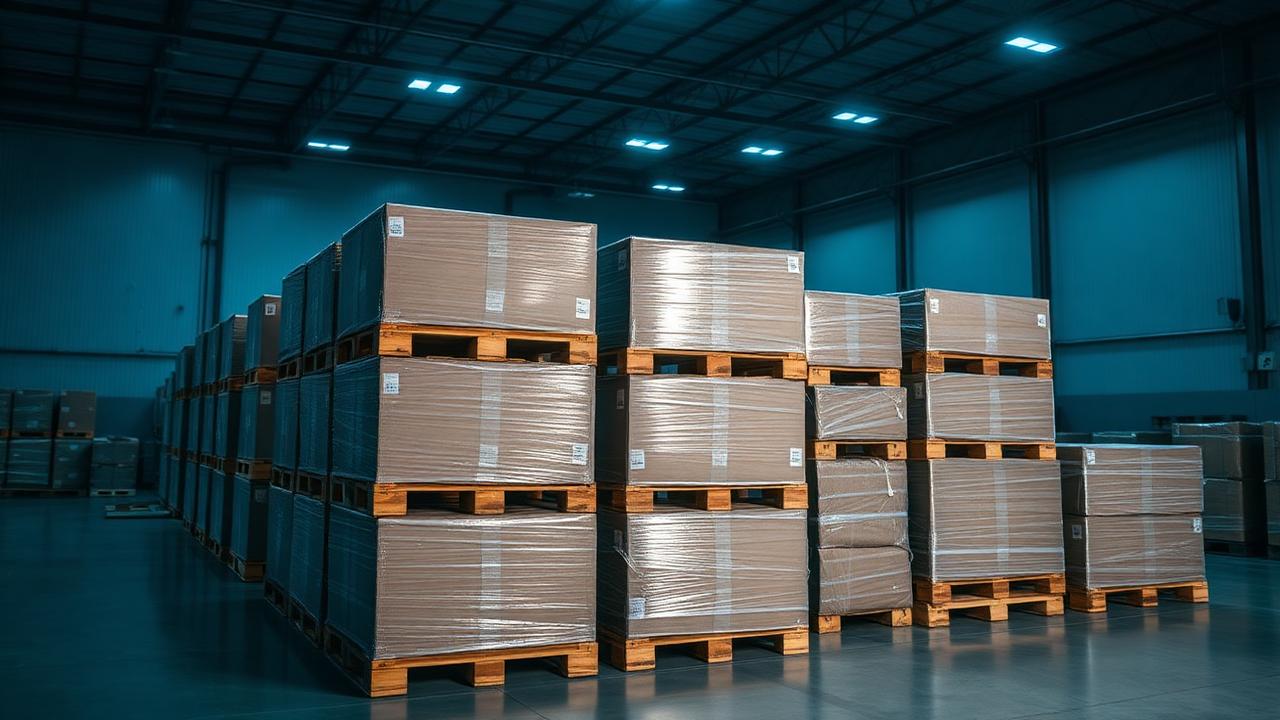
Three years ago, I backed our warehouse dock door up for a four-pallet lot originating from a regional distribution center in Conley, Georgia. We paid $1,250 on the hammer, plus another $480 in LTL freight and a surprise $65 liftgate fee because the driver claimed our commercial park access was restricted. Inside those Gaylord boxes were 142 items: five broken dual-basket air fryers, forty-two pairs of target-brand leggings, three high-end espresso machines missing their water reservoirs, and a pile of seasonal shelf-pull home decor.
We netted $610 on that lot. It took 18 hours of cleaning, testing, and individual listing across two marketplaces to get there. That delivery taught us everything about finding the best places to buy mixed general merchandise pallets without going broke on hidden costs.
Mixed general merchandise is the high-volatility corner of reselling. You are taking on retail customer returns, shelf pulls, and box-damaged items that big-box chains want off their books immediately. If you know where to look and how to evaluate the manifest, these lots offer solid cash flow. If you buy blindly, you are paying a freight company to haul someone else's trash to your warehouse.
Sourcing Channels for Mixed General Merchandise Pallets
Where you buy determines your baseline recovery rate. Not every liquidation platform operates the same business model. Some act as pure tech platforms connecting you directly to retailer distribution centers, while others buy truckloads, sort through them, take the best gear, and re-palletize the rest for small buyers.
Direct enterprise auction networks like B-Stock Sourcing Solutions connect buyers straight to tier-one retailers like Target, Walmart, and Amazon. You are buying straight from the source. The upside is clear: lower per-unit cost basis and zero intermediary cherry-picking. The downside is steep: minimum purchases often start at full truckloads, or individual LTL shipments carry heavy regional freight costs.
Secondary liquidation brokers and auctions like Liquidation.com or BULQ cater to smaller footprints. They let you buy single pallets or small lots. However, unmanifested lots from middleman brokers carry high risk. If a broker processed the load first, assume the high-value electronics are gone.
Local liquidators and regional auction houses are the third path. Buying locally eliminates LTL freight charges entirely. You drive a trailer to the facility, inspect the pallet visually, strap it down, and drive home. Your recovery math changes dramatically when freight drops to zero.
| Channel Type | Typical Lot Size | Average Cost Per Pallet | Freight Risk | Inspection Ability |
|---|---|---|---|---|
| Retailer Direct Auctions | Multi-Pallet / Truckload | $300 - $900 | High (LTL / TL) | None (Manifest Only) |
| Liquidation Brokers | Single Pallet / Lots | $400 - $1,200 | Moderate to High | None (Photos Only) |
| Local Regional Auctions | Single Pallet | $200 - $750 | Low (Self-Pickup) | Visual In-Person |
| Direct Wholesalers | Truckload | $500 - $1,500 | High (TL Freight) | Rare |
Evaluating the Best Places to Buy Mixed General Merchandise Pallets Direct
To build a stable sourcing engine, compare marketplaces based on manifest accuracy and grading standards rather than shiny stock photos. Here is how the major sourcing options stack up for working buyers.
B-Stock Sourcing Networks remain the gold standard for direct retail sourcing. You bid directly on official private marketplaces for major chain stores. Manifests list UPCs, item descriptions, and estimated retail values. The inventory is untouched by third parties. If a lot says Grade C customer returns, expect broken seals and some defective units, but you will not deal with a broker who took out the valuable items.
Liquidation.com handles a massive volume of mixed general merchandise, but lot quality varies wildly by warehouse location. Lots marked as salvage are truly salvage. Their shipping tool can yield high LTL rates if you do not have a buyer-arranged freight account set up.
Local cash-and-carry liquidation yards are underrated. If you live within two hours of major distribution hubs in states like Georgia, Texas, Ohio, or Pennsylvania, local auctions allow you to inspect lot top-layers. Look for intact factory seals on retail boxes and avoid pallets with crushed bottom corners.
Before placing a bid on any platform, running the manifest through a manifest analysis tool like Pallet IQ helps flag low-margin items, calculate realistic category recovery, and estimate fees before your capital is locked up.
The Real Math Behind Pallet Recovery Rates
Do not calculate potential profit using Original Suggested Retail Price (MSRP). MSRP is a fantasy metric on return lots. A $200 air fryer returned with grease inside and no box is not worth $200. It is worth $45 on Facebook Marketplace as an open-box item, or $0 if the heating element is burnt out.
Apply realistic category recovery benchmarks against the manifest retail total:
- Consumer Electronics: 25-40% of MSRP (High test/repair labor, high return rates)
- Small Kitchen Appliances: 20-35% of MSRP (Heavy shipping weight, moderate return rates)
- Home Goods and Bedding: 15-30% of MSRP (Bulky, lower unit value, low return rates)
- Apparel and Soft Goods: 8-15% of MSRP (Very slow velocity, heavy listing effort)
- Hardware and Tools: 30-45% of MSRP (High demand, durable, easy testing)
Next, deduct your sales channel fees. Selling on eBay costs roughly 13.25% plus a $0.30 transaction fee per item. Amazon seller fees hover around 15%. Mercari takes 10%, while local sales on Facebook Marketplace or OfferUp cost 0-5% but require face-to-face meeting time.
Freight is the final margin killer. Standard LTL freight costs run between $0.80 and $2.50 per mile depending on fuel surcharges and lane density. Always add accessorial charges to your initial bid math:
- Liftgate service: $50 - $75
- Residential delivery: $50 - $100
- Limited access facility: $30 - $60
Worked P&L: A Real 32-Unit Mixed General Merchandise Lot
Let's walk through an actual P&L on a 32-unit mixed small-appliance and home lot sourced out of an enterprise auction facility in Columbus, Ohio. This load was designated Grade B/C Customer Returns.
Initial Purchase & Delivery Costs:
- Winning Auction Bid: $420.00
- Buyer's Premium (10%): $42.00
- LTL Freight (340 miles): $215.00
- Liftgate Fee: $50.00
- Total Cost Basis: $727.00
Manifest Breakdown and Realized Resale Values:
- 8 De'Longhi Espresso Machines (4 working complete, 2 missing parts, 2 dead for parts): $520.00 gross
- 10 Ninja Blenders & Food Processors (7 working open-box, 3 broken): $310.00 gross
- 8 Instant Pots / Air Fryers (6 clean/working, 2 heavily used salvage): $210.00 gross
- 6 Mixed Home Items (vacuums, steam mops: 4 working, 2 scrap): $160.00 gross
Financial Summary:
- Total Gross Realized Sales: $1,200.00
- eBay & Mercari Platform Fees (~14% average): -$168.00
- Outbound Shipping Paid by Seller (net after buyer contributions): -$115.00
- Individual Packing Materials ($1.50/unit for 21 shippable items): -$31.50
- Total Gross Revenue Net of Marketplace Expenses: $885.50
- Less Initial Cost Basis: -$727.00
- Net Profit: $158.50
- Return on Investment (ROI): 21.8%
- Processing Labor Time: 11 hours total (testing, cleaning, listing, packing)
- Hourly Labor Yield: $14.41/hour
The Decision: This lot was marginal. While it generated a positive return, the heavy labor time required to test appliances pulled the hourly yield down to minimum wage levels. We only broke even because four of the espresso machines were clean open-box units. If two more had been dead, the lot would have lost money.
How Sourcing Mixed Merchandise Lots Goes Wrong
The main failure mode in mixed general merchandise is buying unmanifested salvage lots while relying on freight carriers for home delivery. Beginners often see a pallet priced at $200, assume it holds $2,000 in retail value, and hit bid. Then reality lands on their driveway.
First, unmanifested lots are frequently double-dipped. A regional liquidator buys a full truckload direct from a retailer. Their warehouse staff sorts through the Gaylords, picks out the iPhones, iPads, and high-end power tools, and lists them on their own eBay store. They re-strap the remaining low-value items, mark the pallet general merchandise, and put it on an auction site. You end up paying freight for items that cannot cover their own shipping costs.
Second, freight accessorials destroy low-dollar lots. If you lack a commercial building with a loading dock or a forklift, every shipment incurs residential and liftgate fees. A $200 pallet with $350 in freight and accessorials starts with a $550 cost basis before you even cut the shrinkwrap.
Third, soft goods and home decor swallow warehouse space. A bulk lot containing thirty throw pillows, bed sheets, and open curtain rods takes up two full pallet racks. They sit for nine months while you make $4 per unit after fees. Space has a cost. If an item does not turn over within 45 days, it drains your working capital.
When evaluating the best places to buy mixed general merchandise pallets, look for direct-from-retailer platforms with clear manifests and local pickup options to avoid these traps.
What is the average profit margin on mixed general merchandise pallets?
Realized net margins for experienced resellers typically sit between 15% and 30% after accounting for freight, platform fees, dead inventory, and packing supplies. High-gross estimates based purely on sticker MSRP fail to account for defective units and processing labor.
Is it better to buy unmanifested or manifested pallets?
Manifested pallets are significantly safer for small to mid-sized operators. Manifests allow you to cross-reference model numbers, check completed eBay listings, calculate average weight, and project realistic recovery before spending money. Unmanifested pallets should only be purchased locally at a deep discount where you can physically inspect the load.
How do I avoid high LTL freight charges when buying pallets?
Reduce freight by sourcing from regional liquidation hubs within driving distance using a truck or trailer. If ordering LTL, ship to a commercial terminal for dock pickup rather than requesting residential liftgate delivery. Terminal pickups eliminate residential and liftgate surcharges entirely.
Pallet IQ Editorial Team
We buy, grade and resell liquidation pallets, then turn what we learn into the tools on Pallet IQ. Every guide here comes from real manifests, real bids and real sell through numbers.
Written August 30, 2026, last reviewed October 19, 2026