Best Places to Buy Costco Liquidation Pallets
We paid $3,200 for a single lot of Costco appliances out of Dallas and almost lost our shirts on missing motor heads. Here is how to buy them right.
By Pallet IQ Editorial Team
Published · Updated
 Sourcing Strategy
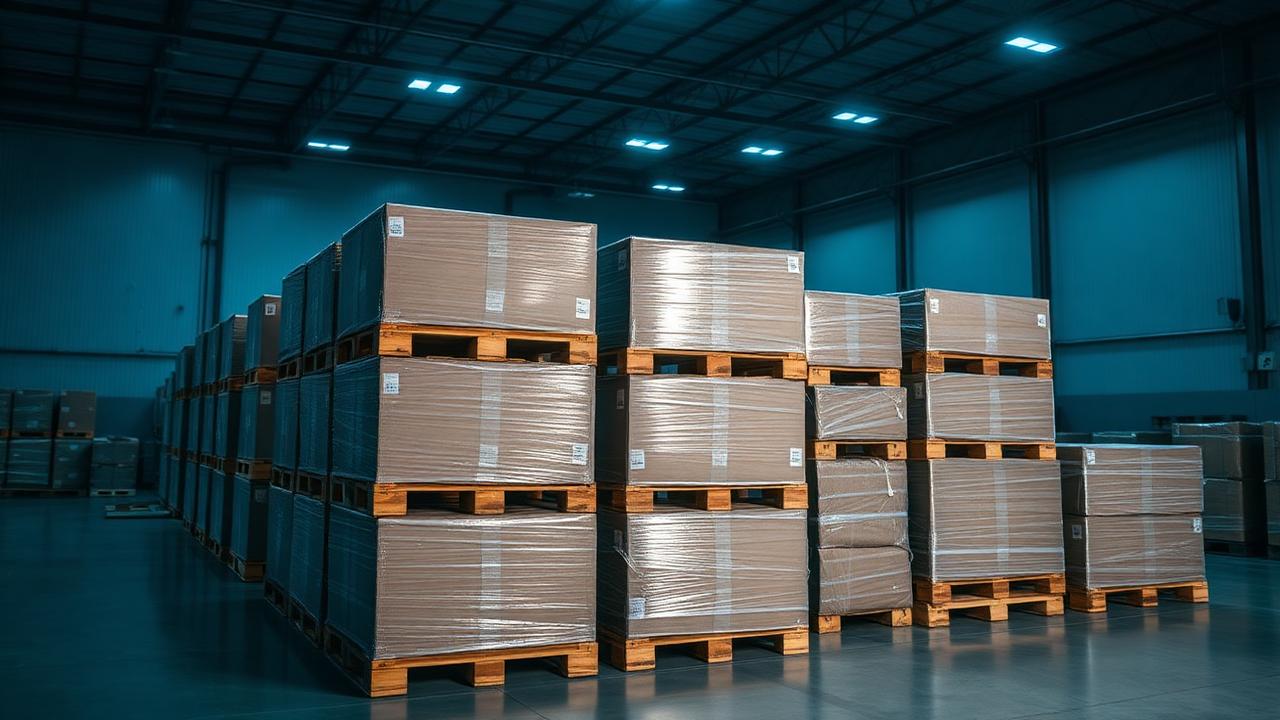
We took delivery of a four-pallet lot out of a Dallas regional warehouse back in August 2023. On paper, the manifest looked like a goldmine. It listed twenty-two Ninja air fryers, twelve Dyson cordless sticks, and a dozen Kirkland stainless cookware sets. We paid $3,200 for the lot, feeling confident. Then the freight truck pulled up. Three of the Dyson vacuums were completely missing their motor heads, six air fryers were coated in baked-on grease without power cords, and two cooksets were dented beyond recognition.
After testing, cleaning, and parting out the dead stock, we netted just under $400 for three weeks of tedious teardown work. We barely covered our labor.
Costco customer returns are famous in the resale community for high retail values, but they can sink your business if you buy from the wrong supplier or miscalculate your landed cost. According to NRF returns research, retail returns represent a massive operational challenge for big-box retailers, leaving millions of dollars in customer-returned merchandise flooding secondary markets every month. If you are hunting for the best places to buy costco liquidation pallets, you must understand who holds the contract, how manifests are populated, and where brokers insert their margin.
Understanding the Costco Liquidation Supply Chain
Costco does not process returned inventory inside store locations. Store clerks accept returns under Costco liberal refund policy, drop the items into giant gaylords, and ship them to regional return consolidation centers. From those centers, merchandise gets sorted into distinct buckets.
High-value electronics often go to direct re-certification partners. General merchandise, small kitchen appliances, seasonal inventory, and apparel get assembled into pallet lots or full truckloads.
To read manifests accurately, you need to understand core industry terms. A manifest is the itemized inventory sheet listing item descriptions, estimated retail values, and quantities. A customer return refers to merchandise brought back by shoppers, which ranges from unopened box buyers-remorse to heavily used, broken items. Landed cost is your true final expense, taking the lot winning bid and adding freight, fuel surcharges, liftgate fees, and storage fees.
Costco releases its bulk liquidations primarily through contracted auction networks and vetted wholesale liquidators. If you buy from a middleman who bought from another middleman, your profit margin disappears before the freight truck hits your driveway.
Best Places to Buy Costco Liquidation Pallets Direct and Secondary
Where you purchase depends entirely on your storage space, working capital, and processing speed. Here is how the primary supply channels stack up.
1. Costco Wholesale Liquidation Auctions (Direct via B-Stock)
The most direct path to primary inventory is the official Costco auction portal powered by B-Stock. B-Stock operates the official B2B marketplace where Costco sells excess inventory and customer returns directly to registered business buyers.
Buying direct means you get raw, un-cherry-picked lots. Nobody has pulled out the Apple Watches or high-end laptops before you place a bid. However, buying direct requires a valid business tax ID or reseller certificate. Lots usually sell as multi-pallet lots or full 53-foot truckloads, meaning you need a commercial warehouse loading dock or an LTL freight setup ready to receive 10 to 26 pallets at once.
2. Tier-1 Liquidation Brokers and Auction Houses
If you lack the cash flow for full truckloads, secondary auction sites purchase full contract loads directly from retail facilities and break them down into 1-pallet to 3-pallet listings for small-scale resellers.
Websites like Liquidation.com and Direct Liquidation frequently host Costco-sourced inventory. The risk here is manifest manipulation. Some brokers skim high-value items, re-manifest the remaining lower-tier units, and list the pallet as a mixed customer return lot. Always check seller feedback ratings and lot origin tags.
3. Local Liquidation Warehouses and Regional Distributors
For many resellers, local pickup beats shipping every time. Regional liquidation yards buy surplus truckloads and sell single pallets out of local warehouses. You can explore regional options through our database of liquidation pallets by retailer.
Local warehouses let you inspect the physical shrink wrap before paying. You lose the granular accuracy of a digitized manifest, but you completely eliminate LTL freight fees.
| Sourcing Channel | Minimum Order | Manifest Accuracy | Risk Level | Freight Cost Impact |
|---|---|---|---|---|
| Official Direct Portal (B-Stock) | 3 Pallets to Full Truckload | High (85-95%) | Moderate | High (LTL or Full Truckload) |
| Tier-1 Online Brokers | 1 to 4 Pallets | Medium (70-85%) | High | Moderate to High |
| Local Wholesale Warehouses | Single Pallet | Low (Often Unmanifested) | High | None (Self Pick-up) |
Evaluating Sources for the Best Places to Buy Costco Liquidation Pallets
Not every pallet lot listed as a Costco return is worth your capital. Evaluating channels requires looking past high advertised MSRP numbers and auditing historical yields. Use a manifest analysis tool like Pallet IQ or run manual cross-checks to set realistic expectations.
Always examine whether a lot is manifested or unmanifested. Manifested lots let you paste unit data directly into a manifest analyzer to project true market values based on current eBay sold listings rather than original retail stickers.
Category recovery rates vary wildly across product types. Historical reselling data shows:
- Small Appliances: 30-45% recovery rate of original retail MSRP.
- Consumer Electronics: 25-40% recovery rate due to missing cords, iCloud locks, or internal hardware damage.
- Apparel and Soft Goods: 8-15% recovery rate because of missing tags, stains, and odd sizing.
- Tools and Outdoor Gear: 35-50% recovery rate due to durable construction and high secondary demand.
If an auction listing shows a total MSRP of $10,000 for mixed soft goods and apparel, do not bid based on $10,000. Realistically, that inventory will yield $800 to $1,500 in gross sales before fees.
The Real Numbers: A Worked Costco P&L Example
Let us break down a real math scenario. We bid on a 3-pallet customer return lot of mixed small kitchen appliances and housewares coming out of an Atlanta distribution hub.
Here is the financial breakdown:
- Winning Bid: $1,450.00
- Buyer Premium (10%): $145.00
- LTL Freight Linehaul: $380.00 via FedEx Freight
- Residential Delivery Accessorial: $75.00
- Liftgate Fee Accessorial: $60.00
- Total Landed Cost: $2,110.00
You can run your own landed shipping totals before bidding with our shipping cost calculator.
Now let us look at the yield:
The manifest contained 52 total items with a cumulative retail sticker value of $6,800.
Upon unboxing and testing:
- 34 items were Grade A/B (Fully functional, complete accessories, minor box damage). Total resale value: $3,230.00.
- 10 items were Grade C (Working, but missing manuals or minor accessories). Total resale value: $540.00.
- 8 items were Grade D (Scrap, parts only, or blown motors). Total resale value: $90.00.
- Total Gross Realized Sales: $3,860.00
Now we calculate platform selling fees and shipping expenses to buyers. Assuming all items sell across eBay with an average fee structure of 13.25% plus $0.30 per transaction according to official eBay seller fees:
- Marketplace Platform Fees: $520.00
- Outbound Shipping Supplies & Labels (net customer paid): $240.00
- Total Realized Net Revenue: $3,100.00
Subtract your $2,110.00 total landed cost from your $3,100.00 net revenue. Your net profit is $990.00.
That represents a 46.9% return on investment over a 45-day sales cycle. Calculate your own lot caps before bidding with our maximum bid calculator so you never overpay during auction bidding wars. You can also benchmark platform costs using our marketplace fee calculator.
How Buying Costco Lots Goes Completely Wrong
Buying liquidation lots can turn ugly fast if you fall into predictable operational traps.
The Cherry-Picked Broker Trap
Mid-tier liquidators often purchase pristine truckloads, pull out the high-margin electronics, gaming systems, and brand-name power tools, and then re-wrap the pallet with low-margin items. They re-manifest the lot and sell it to unsuspecting buyers as an assorted general merchandise return lot. You end up paying top dollar for toaster ovens, missing-piece bedsheets, and open-box coffee makers.
The Accessorial Freight Shock
LTL carriers do not operate like standard parcel drops. If you order a 3-pallet freight shipment to a residential neighborhood without specifying residential delivery and liftgate services, the freight carrier will hold your shipment at the local terminal. They will bill you $100+ for storage, plus additional charges for re-delivery. Always account for accessorials upfront.
Underestimating Processing Labor
Sorting, cleaning, testing, listing, and packaging 50 individual customer returns takes real time. If a pallet nets $300 profit but takes 30 hours of labor to clean grease off air fryers and test steam mops, you are working for $10 an hour. Factor processing velocity into your buying decisions.
Summary and Final Sourcing Guidelines
Finding the best places to buy costco liquidation pallets comes down to evaluating where you sit in the supply chain. If you have warehouse space, a forklift, and capital for truckloads, bidding direct on official auction portals gives you untampered merchandise at the lowest cost per unit. If you operate out of a garage, buying single pallets from verified regional liquidators or carefully vetted online brokers is safer, provided you plug the manifest numbers into strict profit models. Avoid unmanifested junk lots, budget for LTL accessorials, and never bid based on original retail prices.
Frequently Asked Questions
Do I need a reseller certificate to buy Costco liquidation pallets?
Yes, if you buy directly from official retail channels like the official B-Stock auction portal. Official B2B platforms require a state resale certificate or tax ID to verify you are a business buyer exempt from sales tax. However, secondary local liquidation yards and some smaller online auction sites allow individual buyers to purchase single pallets without a tax ID, though they will charge local sales tax on the order.
What is the average scrap rate for Costco return pallets?
Customer return lots from big-box warehouse clubs typically carry a 15% to 25% defect or scrap rate. Unlike overstock lots, return lots include items returned because they stopped working, had missing parts, or suffered shipping damage. When calculating your maximum bid, always discount the total manifest value by at least 20% to account for non-functional scrap units.
Is it better to buy truckloads or single pallets of Costco merchandise?
Truckloads offer significantly lower freight costs per unit and eliminate middleman markup, maximizing your profit margins. However, truckloads require substantial working capital, space for 10 to 26 pallets, and immediate processing capacity. Single pallets carry higher relative freight costs but minimize risk, making them better for small resellers testing inventory categories.
Pallet IQ Editorial Team
We buy, grade and resell liquidation pallets, then turn what we learn into the tools on Pallet IQ. Every guide here comes from real manifests, real bids and real sell through numbers.
Written September 1, 2026, last reviewed October 19, 2026