Best Places to Buy Apparel Liquidation Pallets
We bought a four-pallet clothing return lot expecting easy money and spent three weeks sorting stained denim. Here is where to buy apparel liquidation pallets without losing your shirt.
By Pallet IQ Editorial Team
Published · Updated
 Apparel Sourcing
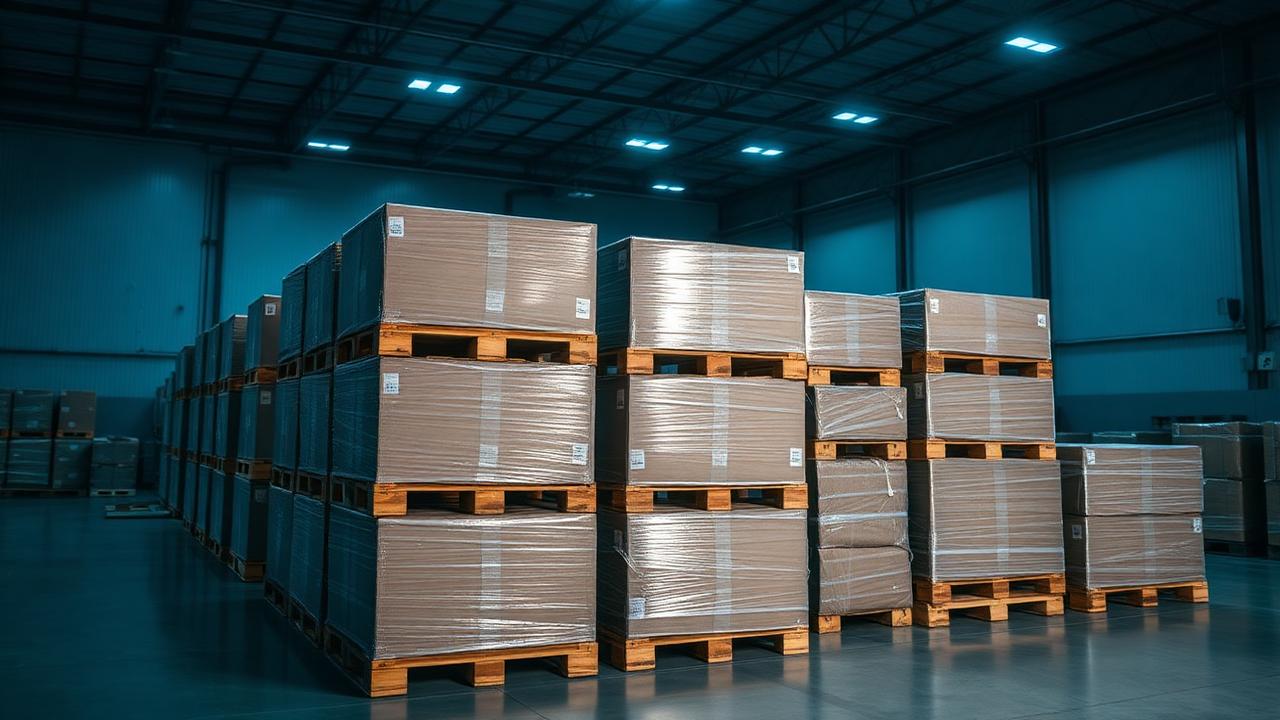
We once paid $1,850 for a four-pallet apparel manifest originating from a distribution center in Charlotte, North Carolina. The manifest showed names like Levi's, Under Armour, and Ralph Lauren, listing a total original retail value of $28,000. We expected a clean 30% gross profit after platform fees. Instead, we unloaded 620 items off the freight truck and spent three weeks untangling a sorting nightmare. Over 180 pieces were extra-small sports bras, 90 pairs of jeans had blown-out heels from floor wear, and 40 coats were missing hoods. After listing, shipping, and counting labor, we cleared $180.
Apparel is one of the trickiest inventory categories in resale. While tools, home goods, and small electronics yield recovery rates between 25-45% of original retail price, apparel usually sits between 8-15%. If you pay more than 6-10% of retail value for mixed clothing lots, you are operating on paper-thin margins. Finding the best places to buy apparel liquidation pallets requires understanding which platforms offer clean manifest data, honest condition grading, and reasonable freight options.
Direct Retailer Auction Portals
Buying directly from major retail auction portals is usually the cleanest route for sourcing apparel. These platforms connect you directly to the retailer's reverse logistics department, cutting out middleman brokers who skim the best items.
B-Stock Solutions
B-Stock operates official liquidation marketplaces for retailers like Target, Walmart, Nordstrom, Macy's, and Amazon. You bid directly on official lots. Target apparel lots on B-Stock are famous for volume, but they require careful reading of the manifest. Nordstrom Rack auctions carry higher-end contemporary brands, but competition among buyers pushes prices higher.
Pros: Direct access to source inventory, clear origin facilities, lower risk of broker skimming.
Cons: Heavy competition from big resellers, strictly enforced payment windows (usually wire transfer within two business days), and strict LTL freight arrangements.
Liquidation.com
Liquidation.com handles inventory from major retailers and government entities. They offer both truckloads and single-pallet lots. While they sell plenty of apparel, their grading system can be inconsistent. A lot marked as Overstock can occasionally contain store returns with worn tags or makeup stains around collars.
Pros: Smaller lot sizes available, decent geographic spread of warehouses for local pickup.
Cons: High buyer premiums (often 8-10% added to winning bid), inconsistent customer support, variable manifest accuracy.
Independent Liquidation Brokers
Brokers buy full truckloads directly from retailers and break them down into individual pallets for smaller resellers. Good brokers add value by inspecting goods; bad brokers extract the best items for their own retail stores and sell you the leftover scraps.
Direct Liquidation
Direct Liquidation sells manifested pallets from Walmart, Sam's Club, and Lowe's. Their apparel inventory ranges from shelf pulls (overstock items removed from display) to raw customer returns. Their search filters let you isolate specific categories easily, making it simpler to target apparel over mixed general merchandise.
Pros: Fixed-price Buy It Now options alongside auctions, decent truckload pricing.
Cons: High shipping costs if you live far from their warehouses in Arkansas, Indiana, or Nevada.
Bulq
Bulq is built for smaller operations. They offer fixed shipping prices ($200 per pallet or flat rates for cases), which removes the guesswork from freight calculations. They provide detailed manifests with clear line items, though their price per piece is often higher than direct auction sites.
Pros: Fixed shipping costs, user-friendly mobile app, low barrier to entry.
Cons: Lower margins per unit, smaller inventory selection compared to direct auction portals.
Evaluating the Best Places to Buy Apparel Liquidation Pallets
Choosing where to buy depends heavily on your storage space, budget, and access to shipping docks. Independent brokers work well for single-pallet buyers, while direct auction sites require enough capital to handle multi-pallet freight shipments.
| Marketplace | Sourcing Type | Manifest Detail | Typical Condition | Best For |
|---|---|---|---|---|
| B-Stock | Direct Retailer Auctions | High | Mixed (Returns & Overstock) | Experienced sellers with dock space |
| Liquidation.com | Broker / Marketplace | Medium | Customer Returns | Regional buyers doing local pickup |
| Direct Liquidation | Wholesale Broker | Medium to High | Shelf Pulls & Returns | Medium-scale resellers seeking fixed pricing |
| Bulq | Micro-Broker | High | Shelf Pulls | Beginner resellers working from a garage |
The Real Math Behind an Apparel Pallet P&L
Let us look at a real financial breakdown for a single apparel pallet. Never judge a lot by its original retail value (MSRP). Judge it by realistic resale prices on marketplaces like eBay (where final value fees sit around 13.25% plus $0.30 per transaction) or Poshmark (flat 20% fee structure).
Here is a worked P&L for a 350-piece target shelf-pull apparel pallet bought through an auction marketplace:
Cost Basis
- Winning Bid Price: $650.00
- Marketplace Buyer Fee (8%): $52.00
- LTL Freight Shipping (400 miles): $215.00
- Residential Liftgate Accessorial Fee: $65.00
- Limited Access Delivery Fee: $35.00
- Total Landed Cost: $1,017.00
- Landed Cost Per Unit: $2.91 per piece
Sorting & Processing Labor
- Sorting, inspecting, steaming, and poly-bagging (10 hours @ $15/hr): $150.00
- Total Adjusted Cost Basis: $1,167.00 ($3.33 per piece)
Resale Yield Realization
Out of 350 pieces, our inspection reveals:
- 35 pieces (10%) are damaged, stained, or missing tags (Trash / Yard Sale Bin): $0 net revenue
- 140 pieces (40%) are basic basics (t-shirts, leggings) selling at $10 each gross on eBay
- 122 pieces (35%) are mid-tier items (denim, sweaters, dresses) selling at $18 each gross on Poshmark
- 53 pieces (15%) are coats, outerwear, or winter boots selling at $35 each gross on eBay
Revenue Breakdown
- Basic tier (140 units * $10): $1,400.00 gross
- Mid tier (122 units * $18): $2,196.00 gross
- Top tier (53 units * $35): $1,855.00 gross
- Total Gross Sales: $5,451.00
Marketplace Fees & Out-of-Pocket Selling Costs
- eBay & Poshmark blended platform fees (~16% average): $872.16
- Packing supplies (poly mailers, tissue, labels at $0.40/item): $126.00
- Total Selling Expenses: $998.16
Net Bottom Line
- Gross Resale Revenue: $5,451.00
- Less Selling Expenses: -$998.16
- Less Adjusted Cost Basis (Landed Cost + Sorting Labor): -$1,167.00
- Net Profit: $3,285.84
- Net Margin: 60.2% on gross revenue
- Realized Recovery Rate: 14.3% of the pallet's original $38,000 MSRP
Notice how the net profit looks strong on paper, but required sorting 350 individual items and absorbing $315 in freight fees. If that pallet had contained 50% extra-small sizes or summer shorts arriving in October, those numbers would drop fast.
Where Apparel Liquidation Goes Wrong
Apparel has failure modes that do not exist in hard goods or electronics. If you do not account for these three traps, an apparel pallet will turn your garage into an expensive storage unit.
The Size Distribution Trap
Retailers liquidate apparel because standard shoppers did not buy those specific sizes. That means liquidation pallets are heavily weighted toward extreme sizes: XXS, XS, 3XL, and 4XL. Standard sizes (Medium, Large, XL) often make up less than 30% of a return lot. Extreme sizes take twice as long to sell on eBay and Poshmark. If a manifest shows 400 pieces, but 250 of them are size XS skirts, walk away.
Seasonality Misalignment
Stores process return lots months after a season ends. Winter coats get processed for liquidation in March and April. If you buy winter apparel in spring, that inventory will sit on your shelves until October unless you fire-sale it at a loss. Factor in the cost of holding inventory for 5-6 months before your money returns.
Hidden Damage and Hygiene Issues
Unlike hard goods, clothing absorbs smells, stains, and pet hair. Customer return lots often contain items washed in scented detergent (which buyers complain about), items missing care tags, or footwear worn once and returned. A grade called Grade B Returns will realistically contain 15-20% unsellable inventory. If you rely on a manifest analysis tool like Pallet IQ, check the historical return condition profiles before placing a bid on uninspected clothing.
How to Choose Sourcing Channels for Your Setup
If you work out of a home garage, avoid unmanifested truckloads from direct auctions. Stick to smaller, manifested shelf-pull lots from platforms like Bulq or smaller regional brokers where you can inspect pictures and line-item details.
If you have a commercial warehouse, a forklift, and dedicated prep staff, step up to B-Stock direct auctions. Buying target clothing by the full truckload (usually 24 to 30 pallets) drops your cost per unit under $1.50 landed, giving you enough cushion to sell off bulk lots to local flea market sellers while listing top-tier brands online.
When evaluating the best places to buy apparel liquidation pallets, always test a supplier with a single pallet before committing to larger orders. Check their manifest accuracy down to the individual SKU, calculate your true freight cost per piece, and build a buffer for unsellable items.
What is the average profit margin on apparel liquidation pallets?
Net profit margins on apparel pallets usually fall between 30% and 50% after accounting for landed cost freight, platform selling fees, shipping supplies, and labor. While gross margins look massive compared to retail MSRP, real net recovery sits around 10-15% of original retail prices.
Should I buy shelf pulls or customer returns for clothing?
Shelf pulls are always safer for apparel. Shelf pulls are items removed from store racks to make room for new inventory. They usually feature original retail tags and zero wear. Customer returns have higher damage rates, makeup stains, missing tags, and unhygienic conditions that require cleaning labor.
How do I calculate freight costs accurately before bidding?
Get precise weight estimates from the auction listing. Request accessorial add-ons up front, including liftgate services ($50-$75) and residential delivery charges ($50-$100) if you lack a loading dock. Multiply your estimated mileage by standard LTL rates ($0.80-$2.50 per mile) to ensure shipping costs do not wipe out your profit margin.
Pallet IQ Editorial Team
We buy, grade and resell liquidation pallets, then turn what we learn into the tools on Pallet IQ. Every guide here comes from real manifests, real bids and real sell through numbers.
Written August 30, 2026, last reviewed October 19, 2026