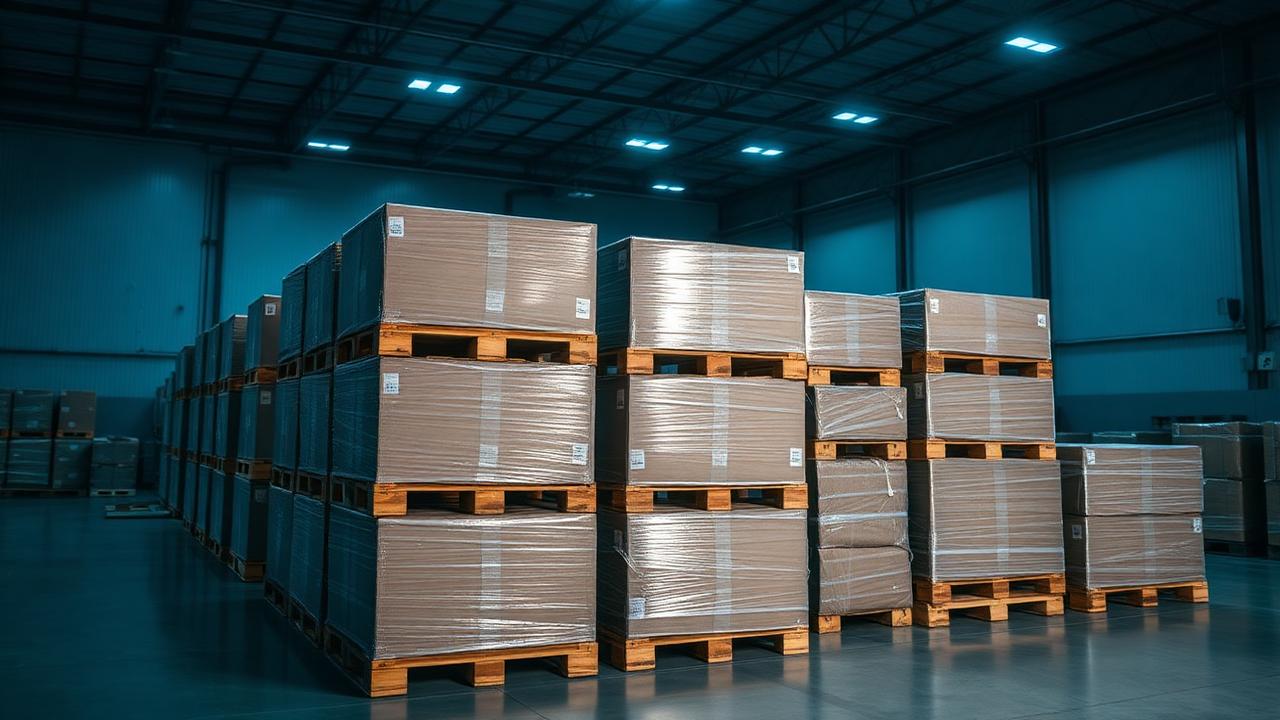
Target Liquidation Pallets: Higher-Quality General Merchandise
Target loads tend to look better on arrival than comparable big-box general merchandise, and price accordingly.
 Retailer Guides
The short answer
What Target liquidation loads contain, how good the goods really are, the pros and cons, and how to price a load before you bid.
Where Target liquidation inventory comes from
Target inventory flows primarily through retailer-run auction marketplaces and established wholesalers; there is less anonymous supply than Walmart.
Typical category mix
Home decor, kitchen, apparel, toys, beauty, baby gear, seasonal, and owned brands like Threshold, Cat & Jack, and Good & Gather adjacencies.
Quality reality check
Generally cleaner than average, with better packaging condition and lower filth rate. Owned-brand goods have weaker per-unit comps than national brands, so retail value on the manifest overstates realistic recovery unless you sell locally or in bundles.
Pros
- Presentation quality is high, which helps retail and bin-store sell-through
- Strong seasonal and home decor demand
- Lower junk rate than typical returns loads
Cons
- Owned brands are hard to comp on marketplaces
- Bidding is competitive because the loads look good
- Apparel-heavy pallets are slow online
How to analyze a load before you bid
- Download the manifest from the marketplace hosting the lot.
- Confirm whether retail values are unit-level or extended totals.
- Upload the file to PalletIQ Analyze.
- Add the buyer's premium and freight quote so the Max Bid is landed.
- Compare the Max Bid to the current bid and walk away if there is no gap.
Pro tip
Discount owned-brand retail in your model. Sell Threshold and Cat & Jack locally in lots, and reserve marketplace listings for the national brands PalletIQ flags as high recovery.
Related reading
Compare the marketplaces that sell these loads in The 7 Biggest Liquidation Sites Compared, or run a manifest through PalletIQ now.